|
Some extra old Phoenixes
|
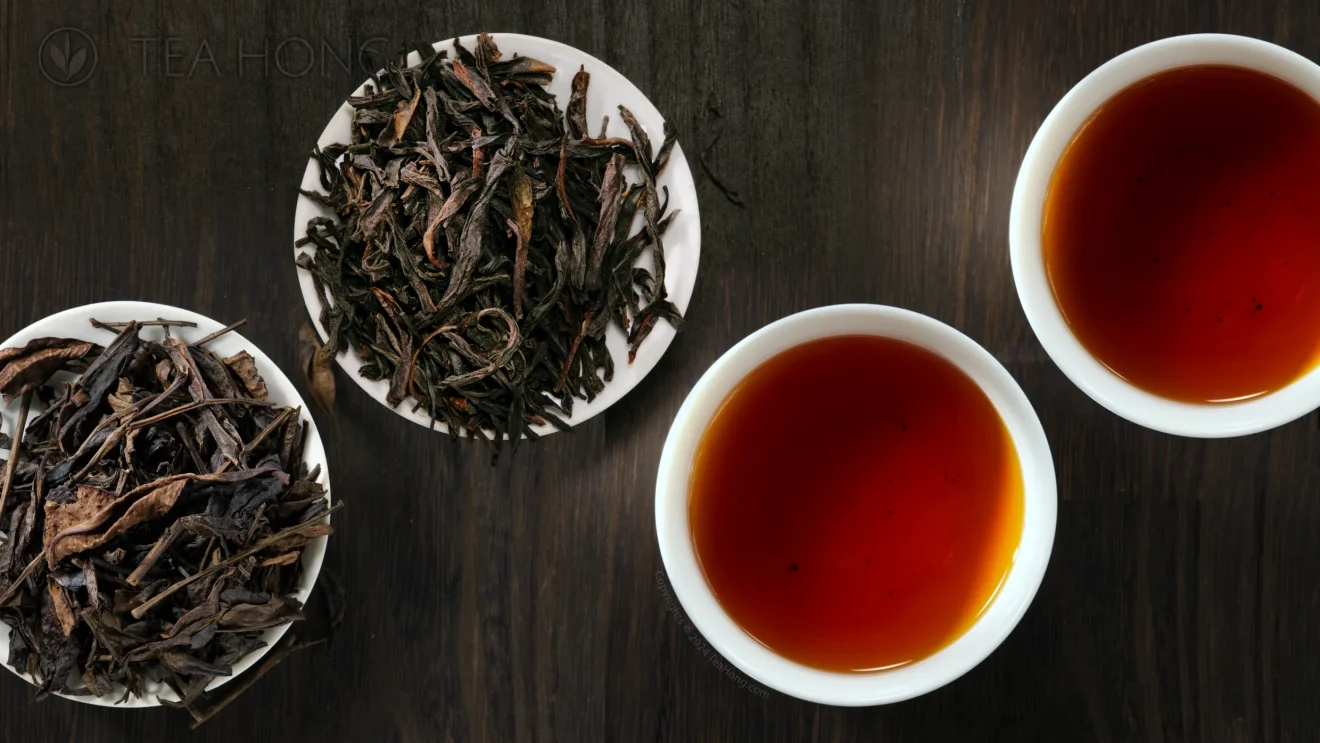
Two very, very matured oolongs
|
|
|
|
If you visit those tea farmers in Fenghuang (aka Phoenix) frequent enough, you may notice that some drink a deeper colour tea themselves when they are not receiving guests. I got nosy once and discovered a totally different dimension in Phoenix oolongs.
|
|
They mature teas for their own consumption. They believe that such teas are friendlier to the stomach and more comforting. I sipped and I was hooked immediately. Although you know it is a Phoenix, it is quite different. It is overall a lot more soothing, calming and indeed, comforting. Most still maintain a Phoenix signature but somehow I feel there is certain shadow of Pu’er in it. Yes, that stomach warming feeling of a shu cha. Somehow it comes in a Phoenix package.
|
Even if I were not a totally committed Phoenix nerd, I would still include such wonderful teas in my offer simply as a serious fine tea trader. It is a taste experience unlike any other. Some of the teas have come to a wonderful maturity state that I think it is time to share them with you now.
|
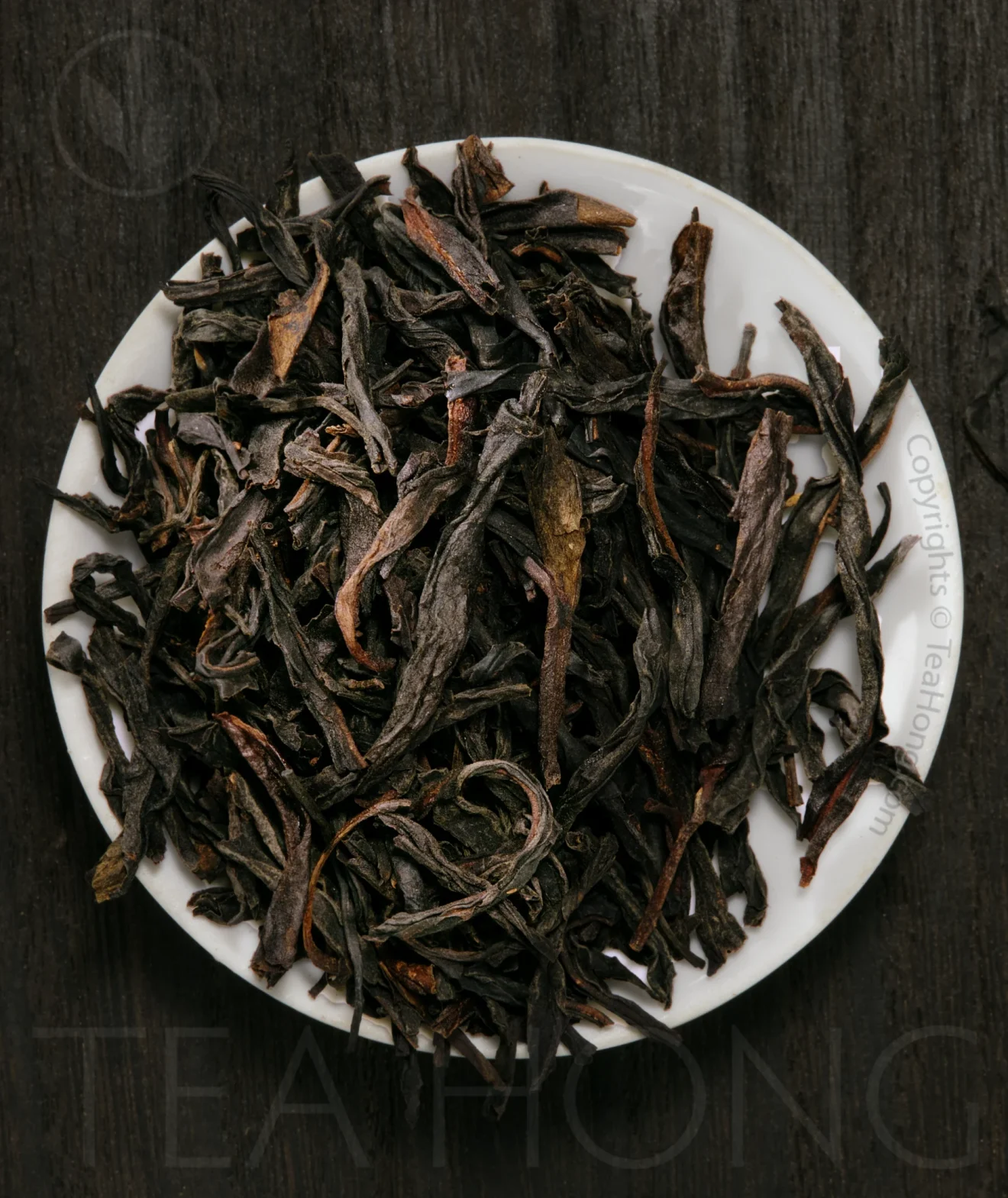
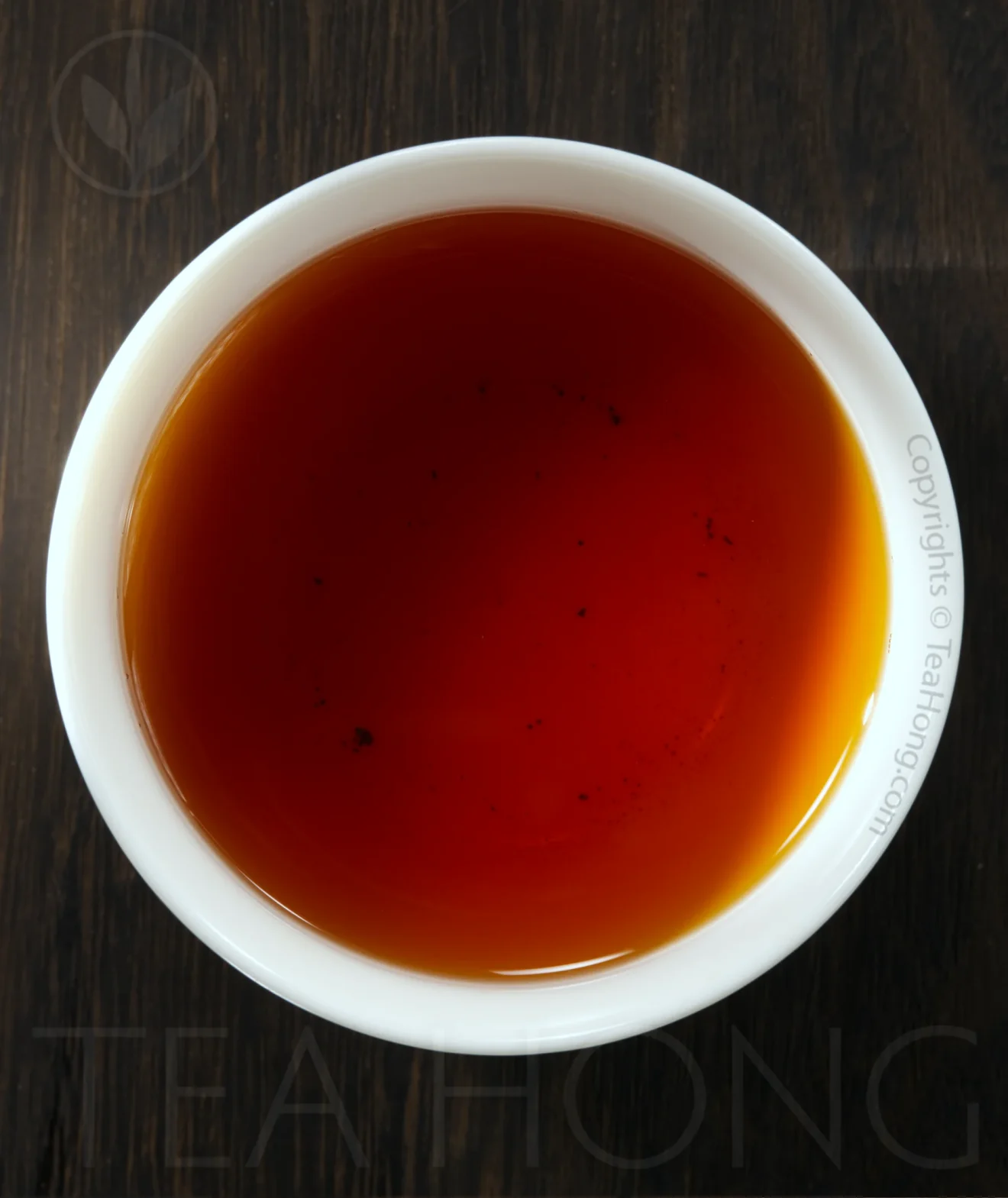
Honey Orchid XO
There is a Honey Orchid from 1992. We call it Honey Orchid XO (Extra Old). It carries the signature fruity and honey notes of Honey Orchid, but accented with a touch of earthiness akin to that of a fine shu cha Pu’er, with that distinct touch of glutenous rice and camphor wood. ( Read more about the tea )
|
|
|
|
|
|
|
|
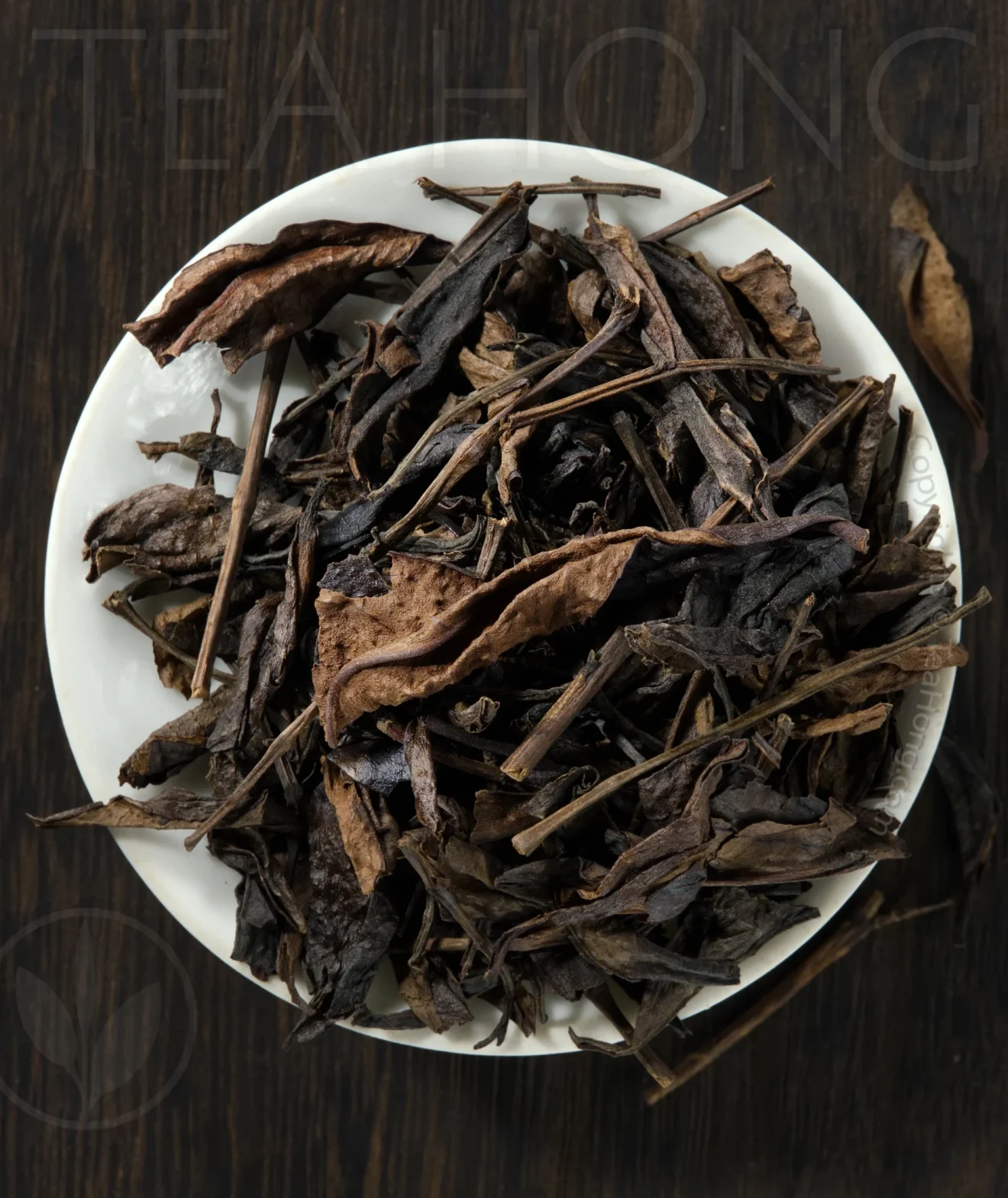
Phoenix Petioles 1988
Phoenix Petioles 1988 is another distinctive entity. In Phoenix, before a tea goes through the last baking stage, it is sorted manually to get rid of the leaf stalks (i.e. petioles), broken leaves, and other leaves that are not as nicely rolled or processed as the others (aka Yu Ye). In the old days (such as before the 1990’s when Communist China began to open its economy for commercialisation), when life in rural China was even more frugal than it is now, such byproducts was rebaked and stored up for the farmers’ own use.
|
In Japan, there is a type of tea called kukicha, where the sorted out leaf stalks are blended with leaves for a different taste. There is a huge population of fans for different types of kukicha. In Old Hong Kong, my father’s most favourite tea was called Luk On Kwaat, which was made from the leaf stalks picked out from the half finished Tieguanyin sent from China, rebaked and aged to market as a kind of Pu’er tea.
|
Leaf stalk tea offers a taste unlike that of the leaf tea, simply because of a different biochemistry in the petiole compared with the leaf blade. The structure is a superhighway as well as the pivotal point between the plant and the leaf. What concerns us as tea drinkers though, is that because of this difference, the tea made from the stalks does taste differently. Some people, like my father, or those kukicha fans, actually prefer such teas.
|
|
To me, the taste is sweeter and softer than the leaf tea from the same plant and a lot more flexible and tolerant for brewing mistakes.
|
|
|
|
|
Introductory Discount
To make it easier for you to try to these two beautiful tea, we have priced them really reasonably, and offer a 15% introductory discount until after Easter Monday (HK Time).
|
|
|
|
|
|
|

|
|
True Quality. True Taste.
|
|
|
|
|
|
  
|
|
Copyrights © 2024 TeaHong.com. All rights reserved
|
|
|
|
|