
|
The Exquisite Tongmuguan One
|
and updates on some other black teas
|
|
|
|
Tongmuguan?
The first written record about black tea trading took place in Tongmuguan in 1732, a pass in the hills of Xing Cun, in the north-western part of Fujian. When people saw that money could be made by producing this tea that yielded a red liquor, they jumped into producing it from their local tea plants.
|
The "almighty" Meizhan cultivar
One of the most popular cultivars employed in that area was Meizhan, likely introduced from the southern part of the province, for producing “black dragon” teas (the first kind of black tea — oolong — before black tea (known as red tea in East Asia) was invented*). So Meizhan “red” tea was made. We have not been able to find any written records, but it is likely that this was the first version of Lapsang Souchong, before a larger yield “cai cha” cultivar was singled out to produce the kind of Souchong nowadays. And way before it was first “smoked”.
|
Reconstructing a destroyed tradition
In the 90’s people in this part of Fujian still had much to learned about making the old style black tea. The destruction brought by decades of social and cultural destruction has been having a lingering effect. I have tasted many that were just a waste. While most other black teas in Fujian, Zhejiang, Anhui, and even Yunnan were regaining past glory in the 2000’s I was still waiting for a good Meizhan black tea to come by.
|
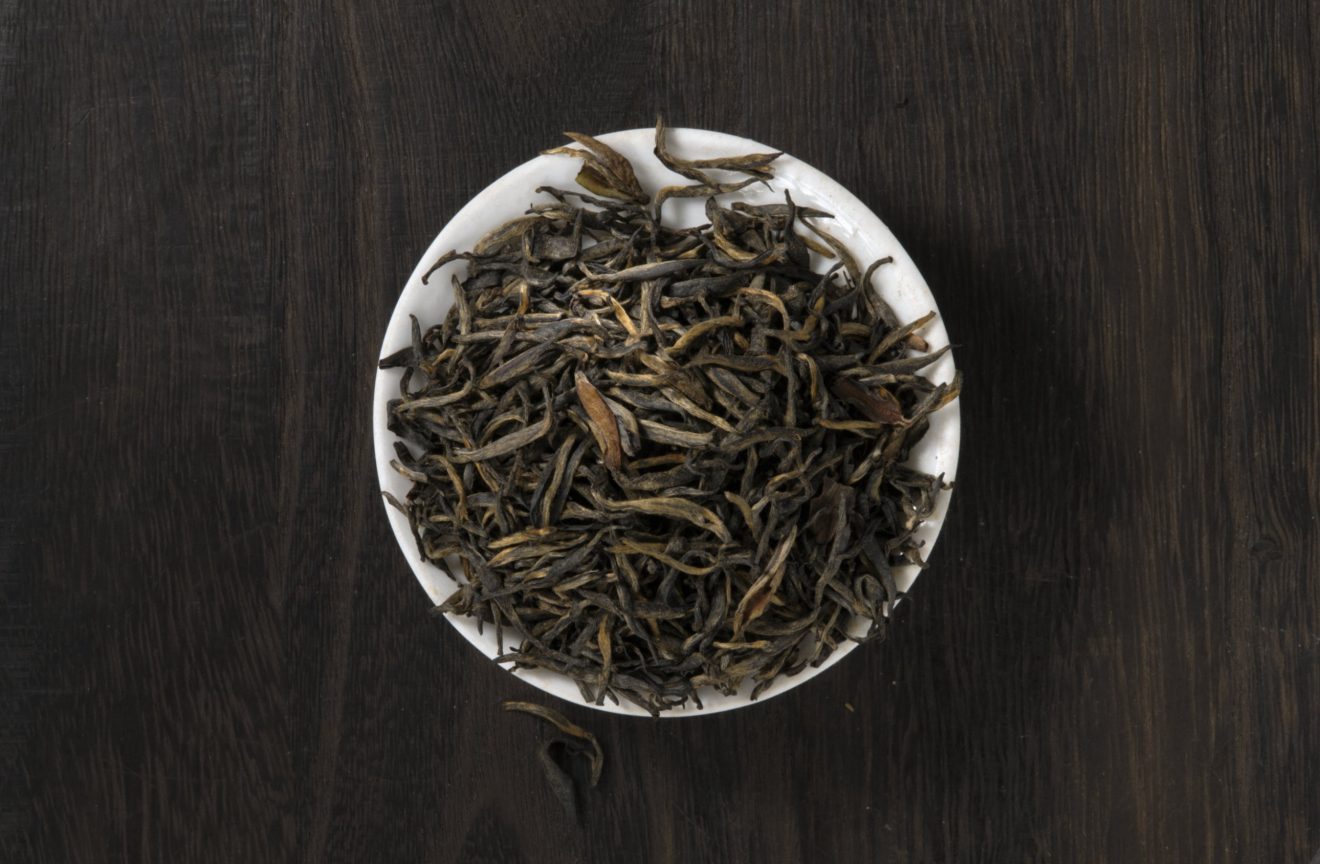
It was only in 2018, having seen a persistent quality pattern for a few years that I began offering the tea on line. Since it comes from the area of Tongmuguan, I call it Tongmuguan One.
|
A special batch this year
This year is special though. The batch that we have anchored is exceptionally intricate and complex, and round. You do not find many other black teas with such level of drama that is comparable to finer oolongs, and yet with the easiness of a black tea.
|
|
I am really proud to present you with this very limited batch, 40 kg only in total as I write this.
|
|
|
|
|
|
|
If your target market is not ready for such an exquisite black tea yet, our old friends from Keemun, the Zhang family farm, delivers a distinctive Keemun traditional this year. It is also the best quality batch I have ever been able to got. Honestly I did not know a Keemun can be so deep and yet still smooth and slightly sweet.
|
If you are on a budget, do consider the various quality levels of Keemun Snails, which also perform very well this year. They offer not only the wholesomeness of whole leaf teas, but also a much more respectful taste profile than even the priciest “English Breakfast”**.
|
Bad news for Ying Hong Nine
On the other hand, Ying De experienced a serious flood this year and I am sorry to have to tell you that we cannot deliver Ying Hong Nine, the gem of black tea from Guangdong.
|
There are still many teas we have either finalised or still working on. Will update you next time.
|
|
|
|
|
|
|
|
- *For more about this part of "black tea" history, please read my article in the Tea Guardian: https://www.teaguardian.com/what-is-tea/black-tea-origin-production/
- ** When they first invented the blend for English Breakfast in England, Keemun was the key ingredient. It was then gradually replaced with other broken leaf teas. It was with this "blending" idea that tea traders were able to wean the market off properly produced traditional black tea to industrially produced versions from their colonies for deeper profit margins.
|
|
|
|

|
|
True Quality. True Taste.
|
|
|
|
|
|
  
|
|
Copyrights © 2024 TeaHong.com. All rights reserved
|
|
|
|
|