

Cedar Creek Classic, deep oxidation Taiwan oolong, 70 g
US$25.0
深造青 文火深焙 杉林溪紅水烏龍
Red Liquor Oolong
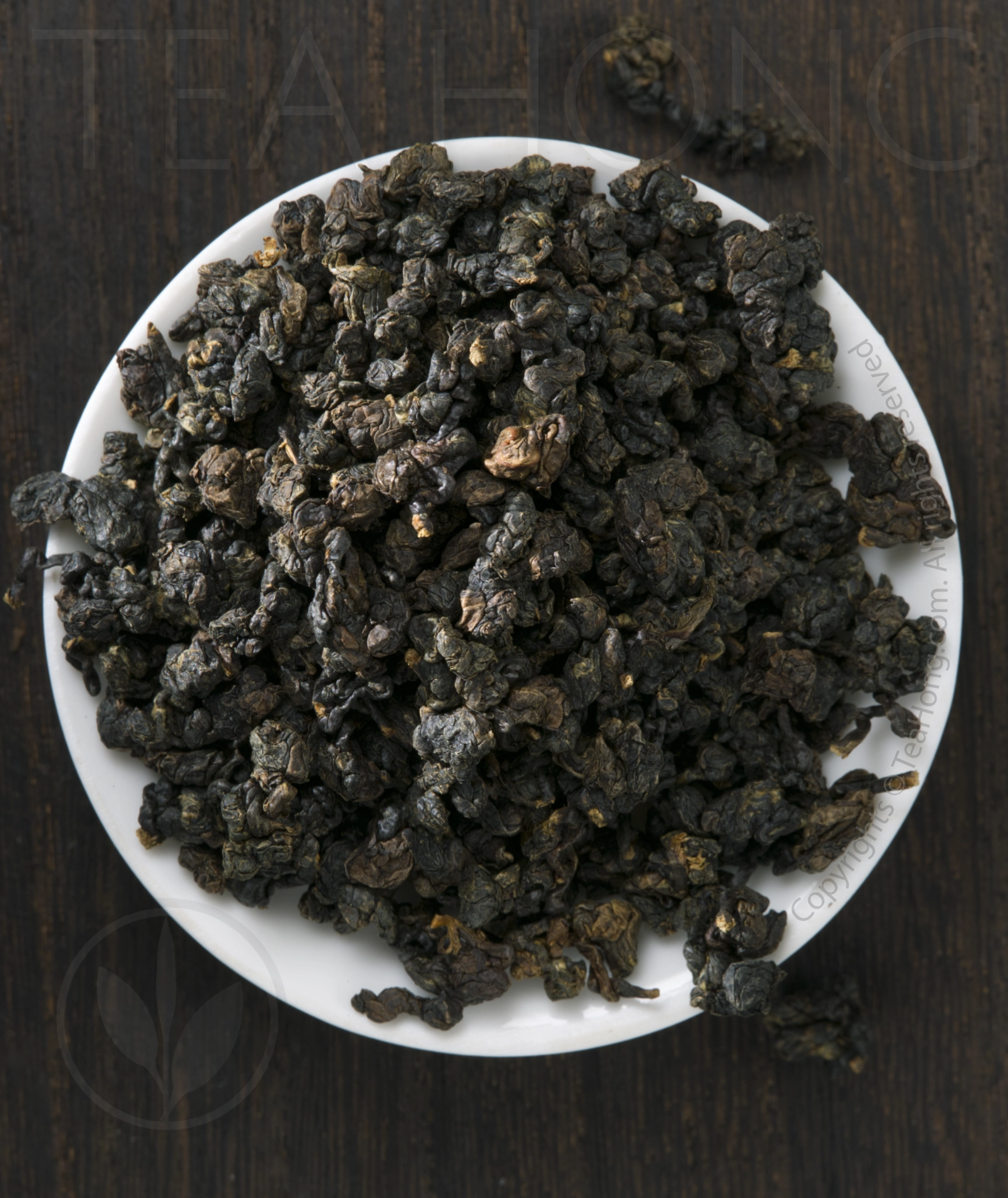
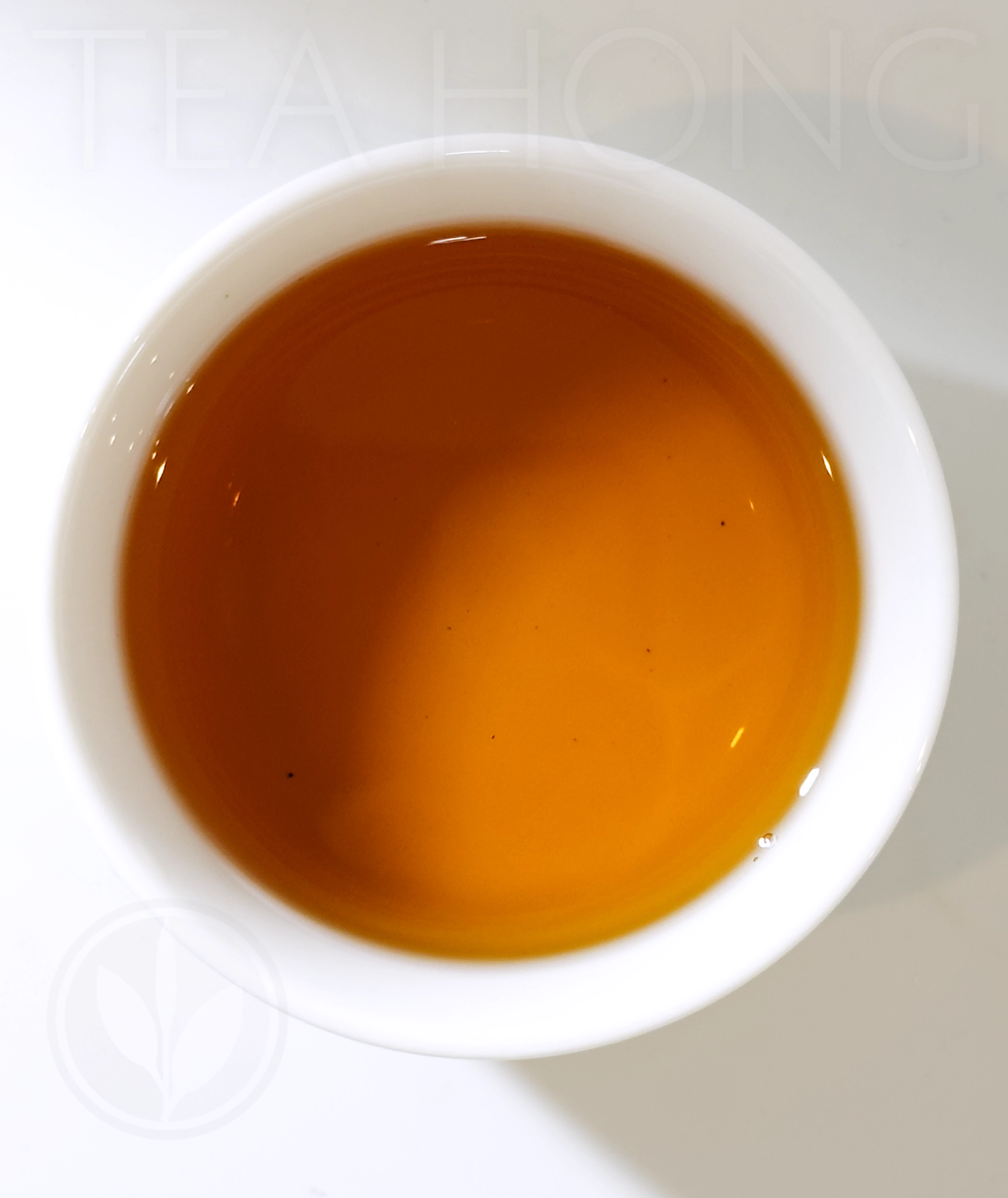
Other than the famous Oriental Beauty, there is another popular deep oxidation oolong in Taiwan. The locals call it Red Liquor Oolong — Hong Shui Wulong, referring to it being like hong cha, i.e. red tea ( aka black tea ). To include this variety in our collection, we have been screening sources from different parts of the Beautiful Island*, and concluded that the one from the scenic mountain of Da Lun Shan 大崙山 in Shan Lin Xi 杉林溪* by Master Chen has the highest potential. While some use the softer tasting Jinxuan or Four Season cultivars, Master Chen insists the use of the old Qing Xin from his 1500m altitude tea farm for its more complex taste profile after the long oxidation process. We do too. In addition to the oolong way* of deeper zao qing*, the real mastery is also in the baking. It is this precise heating that optimally caramelises and transforms the juice from the tightly rolled tea beads into the complexity in what the tea offers. We have aged it till all the elements are in place for the current uniquely enjoyable taste and aroma.


Net weight: 70 g (2.5 oz) in Kraft-alu pillow pack
In stock

Taste profile
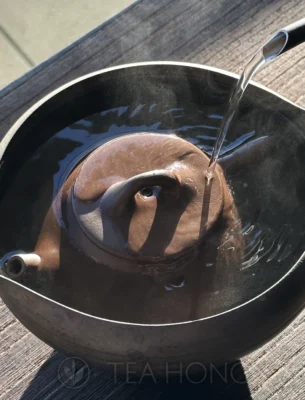
In case when the leaf volume out proportion that of hot water in a round of infusion, especially towards later rounds, a hot water bath is a practical way of optimising extractions from the leaves. This may seem unusual nowadays, but it used to be a standard practice in gongfu tea making.
Nose: Warm, deep aroma on a fruity overtone. Lightly smoky undertone with accents of honey and roasted nuts. Tints of citrus and fresh green leaf vegetables. Palate: Smooth, yet bright and lively body with accents of herbs and fresh greens. Tints of minerals. Light citrus tinkles. Finish: Quenching. Refreshing.
Infusion suggestion
If you prefer a long steep approach to get the most out from a single round of infusion, try a 2g to 125ml leaf to water ratio for 6min or more. Please use a good heat retention vessel with a body design that allows for good convection. I myself like this method when using the tea to get me through the day of desktop work.
For that special tea moment when you have time to work the leaves, begin with a 4g to 100ml ratio and at least 30 sec in the first round. Employ a small vessel, but not too small one. The leaves will expand in volume quite significantly through the sessions, taking up most of the space in the vessel and not much room for water if the size is too small. When the infusion water ratio decreases, so does the infusion temperature. My advice is 150ml capacity upward, and a properly preheated and thick, good stoneware or Yixing vessel would render better results. Use a hot bath during infusion when you see your hot water ratio is significantly reduced by the leaf volume.
*notes
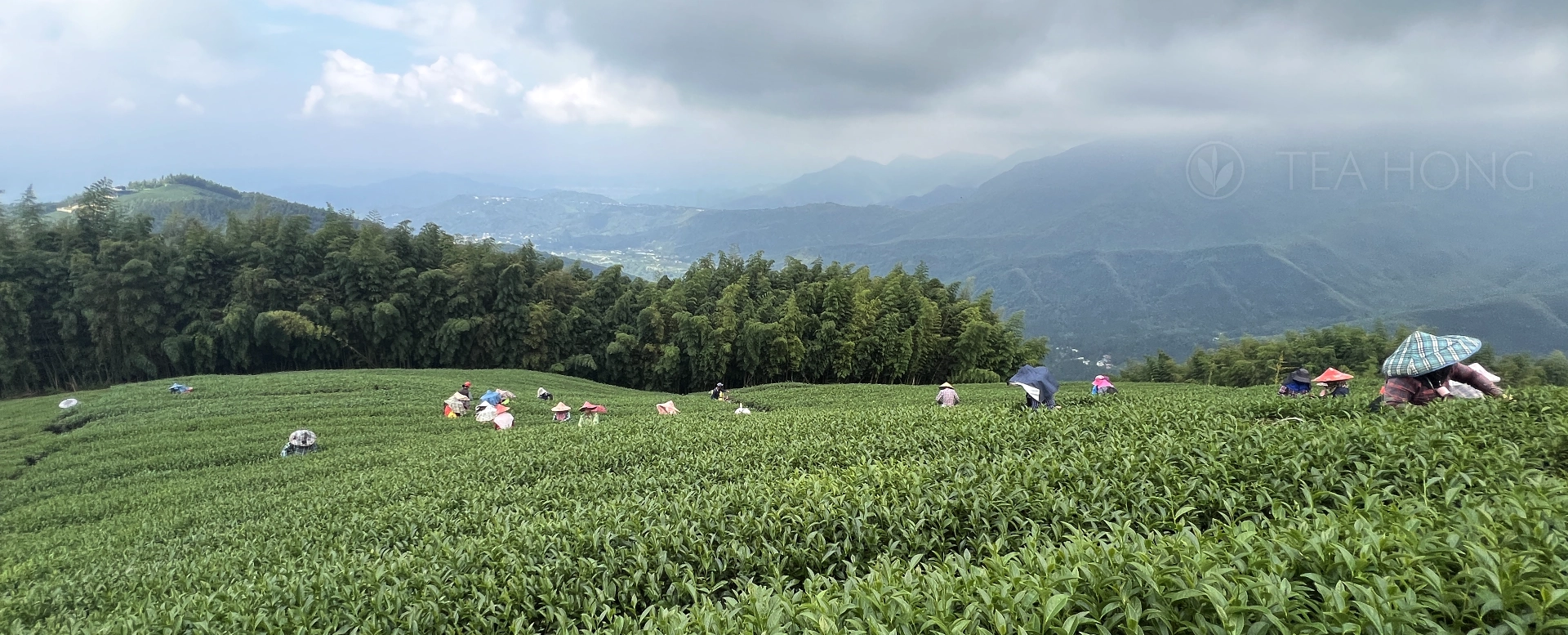
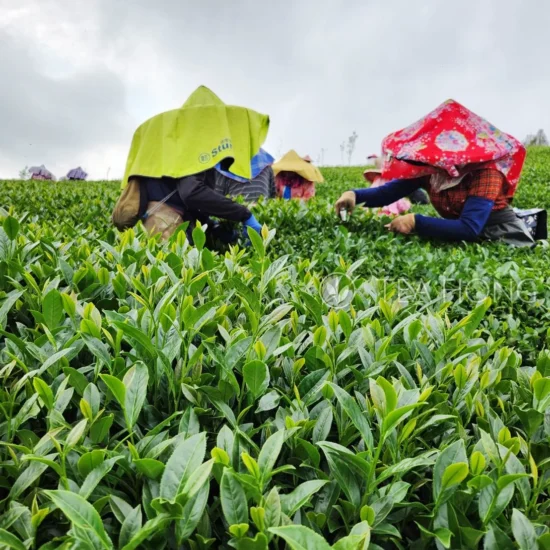
The Qing Xin tea field on Da Lun Shan, overlooking the Qin Feng Valley below
Beautiful Island
This is the direct translation of the name Portuguese explorers labelled the island with, Ilha Formosa, the first old name of Taiwan known to the rest of the world in mid 16th century. The name, and the simplified version as Formosa, continued to be used to refer to the island until after 1945, when World War II ended. When I was younger, some literature and older people still employed that name in less formal environments, particularly in Taiwan and Japan.
Cedar Creek — Shan Lin Xi 杉林溪
Because of its high altitude tropical locality, in the early twentieth century when the Japanese came in as colonisers, they have planted vast patches of cedar for their vast demand for lumber, thereby the modern name of the area. Fortunately, a lot of the orginal forests hadn’t been destroyed and the place remains a vibrantly diversified ecology. It is one of the most revered hideouts and hiking areas for locals in Taiwan.
Da Lun Shan is one of its highest peaks. Because of the ideal temperature range, humidity, acidic soil with rich mineral contents, this is one of the most prized tea garden areas.
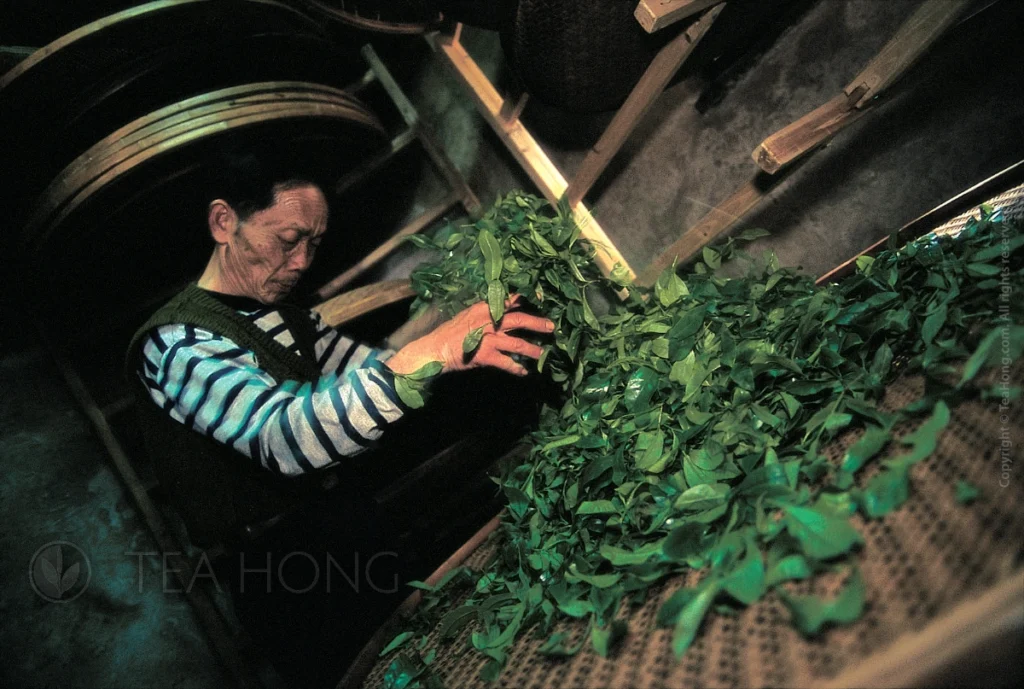
In traditional oolong processing, it begins with holding the leaves to rattle them together to create a gradual cracking of the leaf cell structure in order to trigger the desired enzymic oxidation that gives us the aroma and taste substances unique in oolongs. Here old Master Wen is starting a batch just in after a a few previous steps of sun withering and shade resting. This photo was taken in 1999. Nowadays, specially designed metal drums have generally been installed to reduce the manual work, but the idea remains the same.
Deep oxidation — the oolong way — Zao qing (造青)
There is a popular myth that oolong is made like black tea but just with less oxidation (or sometimes referred to as fermentation). This is not true.
While one can define oolong as a partially oxidised tea and black tea as a fully oxidised one, the processing of a genuine oolong is different from that of black tea.
This is an abridged summary comparison of the two different processing methods:
Black tea (traditional, not broken grades)
Withering > rolling > oxidation > roasting > additional rolling (in higher grade ones) > drying
Oolong tea (genuine ones, not false labelled ones)
Withering > resting > rattling < — > oxidation > roasting < / > rolling > drying
The rattling step, sometimes referred to as rocking, is a multiple stage in which the leaves are rattled to collide with one and other to create various degrees of cellular fractures that trigger enzymic oxidation. It is intervalled with resting for the time needed for oxidation to occur. Various physical conditioning of the leaf, often applied at different steps, is applied to attain the designated oxidation pattern pertaining to the particular style of oolong.
After this step, in certain style of oolong processing, the leaves are briefly roasted to halt the oxidation process before rolled, while in some others, the leaves are rolled, rested for further oxidation, and then roasted, and then baked to dry.
The oxidation process in oolong production is substantially more complex than that for black tea. We shall present a more detail article on this topic.
Additional information
| Shipping Weight | 90 g |
|---|---|
| Dimensions | 18 × 9 × 5 cm |
| Net weight: | |
| Tea category: | |
| Class: | |
| Origin: | |
| TCM character: | |
| Recommendation: | |
| Packaging: | |
| Infusion color: | |
| Vintage |
1 review for Cedar Creek Classic, deep oxidation Taiwan oolong, 70 g
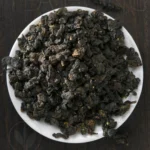 Cedar Creek Classic, deep oxidation Taiwan oolong, 70 g
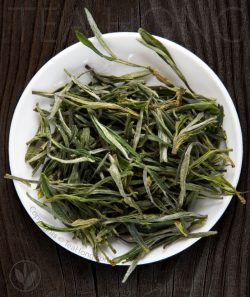
Huangshan Maofeng Classic, traditional green tea
Tea, Green teas, Huangshan & Anhui, Lighter Aromas, Milder Tastes, Cool Energy黃山毛峰、雨前翠玉
A quintessential traditional pre-rain green tea
Huangshan Maofeng green tea is a must-have souvenir when one visits Huangshan. However, even if you know the way to real teashops rather than tourist traps, a pack of such quality as Tea Hong's Cuiyu would come at a high price. That is why this pleasant tasting and slightly sweet baked green tea is a most popular item not only for our retail, but also export. To maintain consistent high quality, we employ only harvest before the lunar almanac demarkation of “guyu” — the first rain for seeding, around early to mid-April. "Yuqian" — before the rain — is the traditional term for this.


 Net weight: 35 g (1.2 oz) in Kraft-alu pack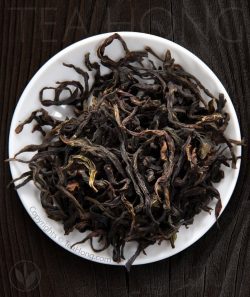
Honey Orchid Supreme, classic Phoenix dancong oolong, 40 g
Tea, Oolongs, Fenghuang | Phoenix, Floral Aromas, Fuller Bodies, Neutral Energy鳳凰極品 老樅蜜蘭香
Old Bush Milan Xiang:
For real aficionados who would not be satisfied until they have discovered a deeper depth, a rounder fullness and a more lingering sweetness, we’d go overboard to offer the extreme. Rarest small batches of leaves from special bushes individually processed only by top masters. Such as this supreme quality Milan Xiang Dancong. For those who demand more potential from the leaves for fulfilling their infusion skills. For thirsty souls seeking a moment of tranquility in the depth of the tinkling after-sweetness of Honey Orchid Supreme.

 Net weight: 40 g (1.4 oz) in Kraft-alu pack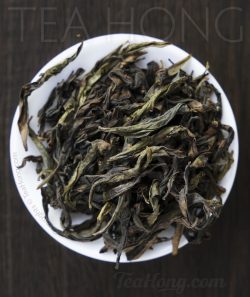
Cassia Extraordinaire, Wuyi yancha oolong, 40 g
Tea, Oolongs, Wuyi-shan, Floral Aromas, Fuller Bodies, Neutral Energy武夷岩茶、清香新品肉桂
Tea Hong’s Most Bouquet Wuyi Oolong
Great discipline in the use of fire distinguishes Cassia Extraordinaire from most other Wuyi varieties with a supple, deliciously floral and delicate scent balanced with a full, lively body. Thanks to this masterful baking, this lighter style Wuyi oolong keeps well and improves with extended storage, as it should traditionally. This is our most “bouquet” style Wuyi oolong, being on the other end of the scale as the deep baked classic style Cassia Classic or Red Cloak Grande in Tea Hong’s proud Wuyi repertoire.
 Net weight: 40 g (1.4 oz) in Kraft-alu pack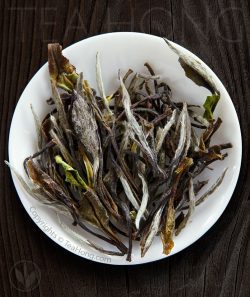
White Peony Classic Long, traditional white tea, 40 g
Tea, White teas, Minnan/ Mindong, Fujian, Lighter Aromas, Milder Tastes, Neutral-Cool Energy明前、政和牡丹王
Zhenghe Mudan Wang
While White Peony from Fuding tastes more floral, that from the other earliest region, Zhenghe, tastes longer and deeper. The more tedious curing process is marked by the darker colors on the leaves. While many prize Silver Needle Supreme for its delicate taste and furry appearance, a superb traditional white tea as White Peony Classic Long delivers a more impressive taste experience. That may explain why this Mudan Wang, aka King of White Peony, is considered the best and most classical representation from the origin, and a favourite by many tea connoisseurs. As most aficionados prefer it, we have always matured this tea adequately before releasing it in the shop. The current stock is a single batch first flush ( i.e. pre-Qing-ming ) that we have matured in our environment since its harvest in 2019.
 Net weight: 40 g (1.4 oz) in wide Kraft-alu pack
a solid tea. i’ve brewed this a few times and there’s nothing wrong with it and it is near impossible to brew a bad cup gong fu or western style, a testament to the quality. reading the notes i was quite intrigued, but ultimately it’s palate is so balanced i can’t get much to pop from this tea. even with gong fu the notes don’t really pop so much as get weaker and denser throughout its course and in general it does remind me of a lighter and vague red tea
popcorny or buttery warmth, definitely nutty and very easy drinking overall with no bitterness. but i can’t think of a reason to reach for this tea because it’s so balanced as to feel a bit bland, even though the quality is clearly there. good to drink when not paying a ton of attention to the tea i would say.
Thank you for sharing your experience. Really happy to see such an honest comment from a serious tea drinker. Indeed, this is a milder tea and it is exactly this quality that we have chosen it in the collection for those who prefer their tea this way. To us the tea’s merit is its light intricacies in an easy body. In our repertoire of oolongs, there are ample selections of distinctive individual profiles. It is important for us to take care of those drinkers who prefer a softer tea. That is exactly why in every category of our selections, we include such teas. Don’t hesitate to approach us if you are looking for a certain stronger taste quality. I am sure we have something here to meet your discerning taste.