



Purely the finest teas
At TeaHong.com, we carry only top quality, non-adulterated, traditional fine teas.
No additives. No herbs. No fruit bits. Purely the finest tastes.
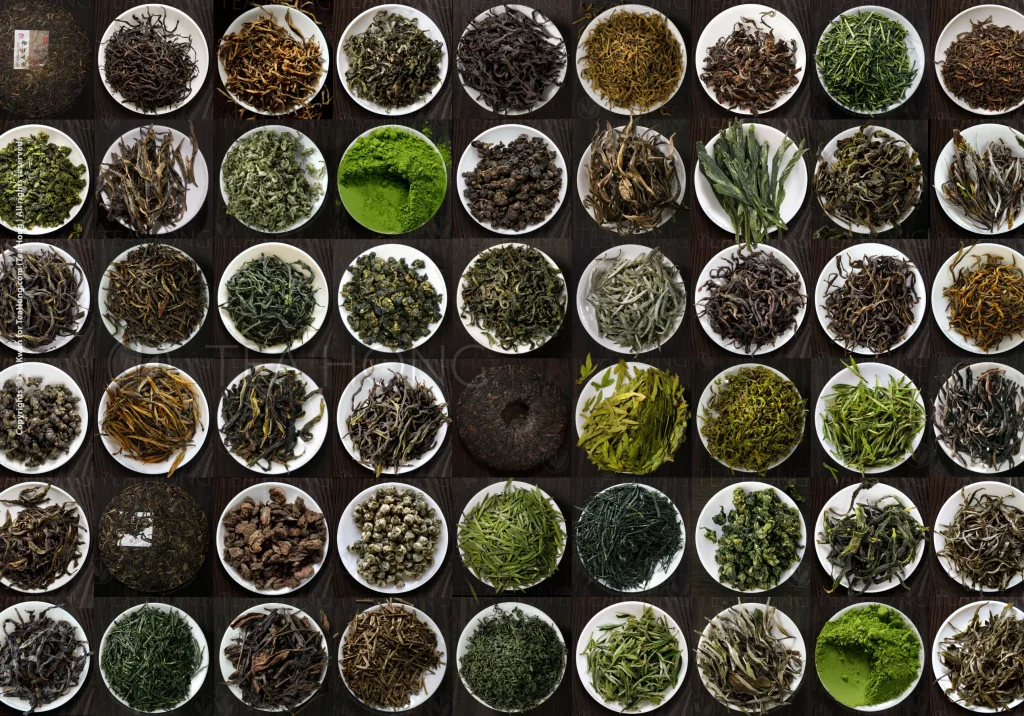
120+ varieties of pure fine tea direct from single origins, selected for their true quality, true taste
Only distinctive whole leaf varieties produced traditionally in the origins with the original tea tree cultivars. Each with its own individual character.That is because we respect the works of Nature and the traditional craftsmanship of the tea masters that bring together for us the distinctive taste of each of such diversified variety. When prepared properly, they are one of the most sublime epicurean experiences.
Not to mention the salutary benefits from within the tender young leaves of each different tea cultivar, variety and species of Camellia*.
We have committed ourselves to the advocacy of tea because we believe in this pure form of tea. For its nature, its taste, its benefits, and this heritage for humanity.
Taste distinction comes naturally
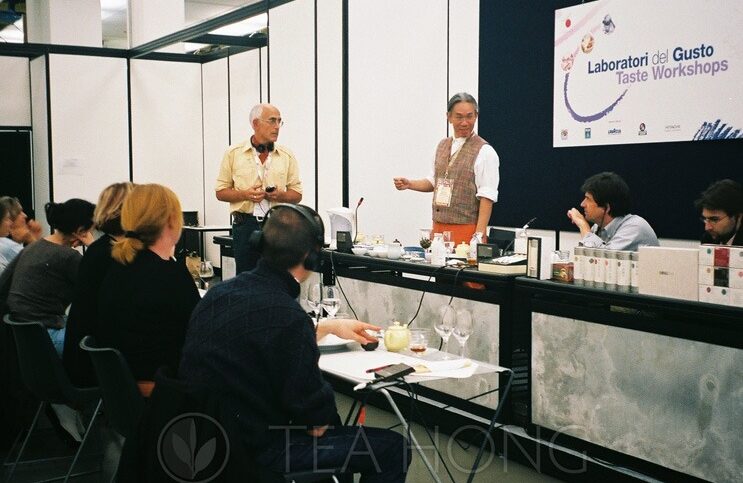
In the occasion as the head of the delegation of traditional oolong producers in the first Slow Food global producer conference —Terra Madre — in Turin, Italy in 2004, I was invited to perform a tea demonstration in a concurrent taste workshop. The president of Slow Food, Giacomo Mojoli is at the right.
Since each genuine quality fine tea has its own distinct taste character, there really is no need for any disguise, such as blending, flavouring, or mixing with herbs, or bits of this or that.
Once your palate is cleansed through a habit of fine teas, it becomes more sensitive to the orchestration of the tastes and aromas of true quality genuine tea that any vulgarity and loudness of additives become noises to your senses. That is also why most lovers of true teas are more responsive to other finer foods and fine cooking, rich or delicate.
For your health too
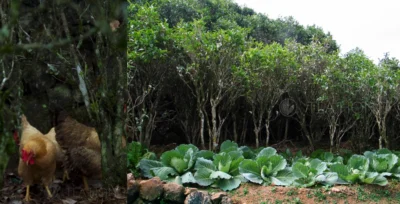
In traditional tea farms, they reinvent their own healthy eco system, not those guided by certain international corporation for certification.
And another stronger reason: the more a tea is reprocessed, the less intact the original salutary constituents remain, such as the delicate flavanoids and theanines etc. Broken tea leaves that one may easily get in the market (not to mention teabags) compare very differently to fine whole leaf teas. For example, teas produced with young first flush leaf buds carry a lot more EGCG (epigallocatechin 3-gallate), the most powerful antioxidant that has excited so many researchers. Read more about this topic at the tea reference guide, the Tea Guardian: Tea Polyphenol Special Feature.
Fairness to the tea farmer means sustainability
Producing tea with such quality means expertise by the farmers and the producers, so the cost of the tealeaves themselves is much higher than that for the mass produced tea materials destined to be flavoured or blended with other ingredients.
That means a higher percentage of the dollar you pay for our tea goes to the tea farmers and not to those traders or brokers or other tea merchants who create those so called blends.
That is better sustainability for the tea farming economy, especially the smaller farms focused in quality. We believe that it is only through the specialisation of traditional tea production skills that tea workers have hope for a fair future. (Read more at the Tea Guardian: How Fair is Fair Trade?)
Bottom line: better value
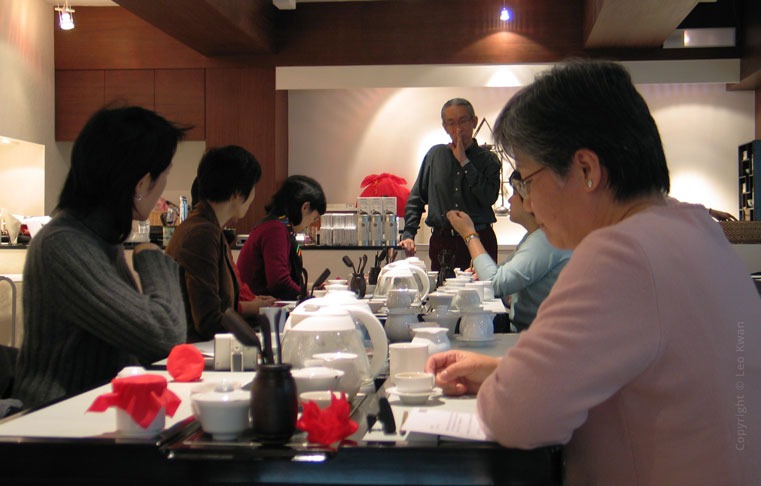
Besides creative communication consultancy for major corporations, another stream of my skill set has been in education, having taught the USA and spearheaded an art education reform in Hong Kong. I brought in that area of specialisation between 2001 till 2006 by conducting properly structured syllabus in tea classes and workshops for both consumers and tea bar operators, with the objectives to empower more people to experience the best from their tealeaves.
Whole leaf finer selections can also be infused repeatedly for more times — you get more cups of tea that tastes better, with better health constituents than adulterated or other mass market products. You get more real tea for your buck, so to speak.
Better tastes, more intact health contributing constituents, and better value. As passionate tea lovers ourselves, it is logical that we offer only these.
← About us | § | Direct from farm →
note: Contrary to certain publicity materials that maybe widely spread over the internet and by certain “tea writers”, not all teas come from Camellia sinensis. For example, there is Camellia formosensis where the tea cultivar of Hong Yu has been developed from. The huge number of wild tea trees that our Pu’er maocha are produced from, are yet to be systematically and scientifically studied to determine their nomenclature, although some marketers conveniently call them all as Yunnan Daye. Any person who has followed a wild tea picker’s path would see that those are totally different plants, and a huge varieties of them.