

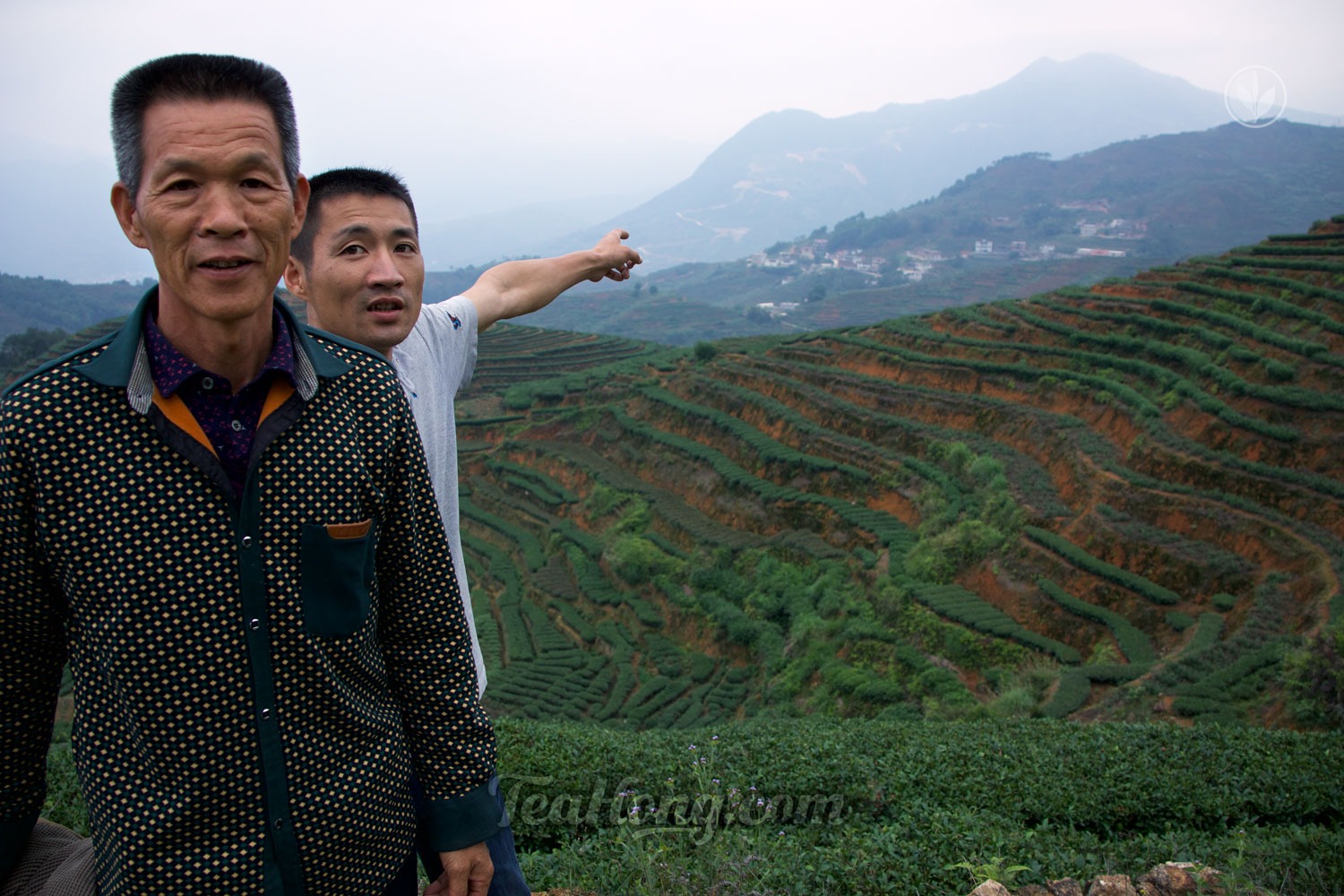
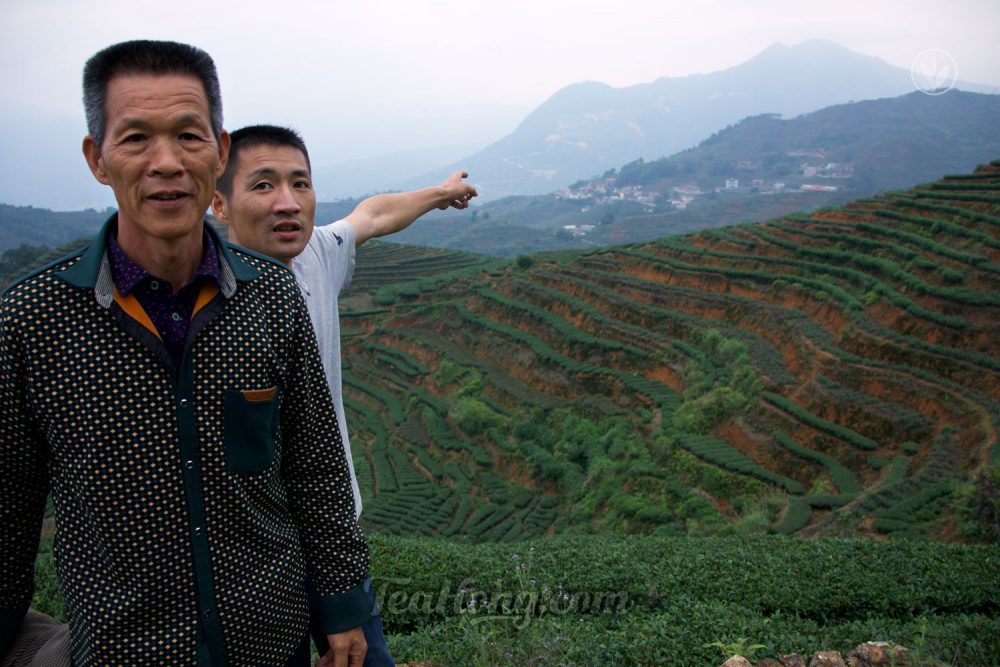
As we climb the hill to one patch of their ancestral farm at the peak, Young Master Wang points at Nanyan, the legendary seat of the first Tieguanyin tea bush.
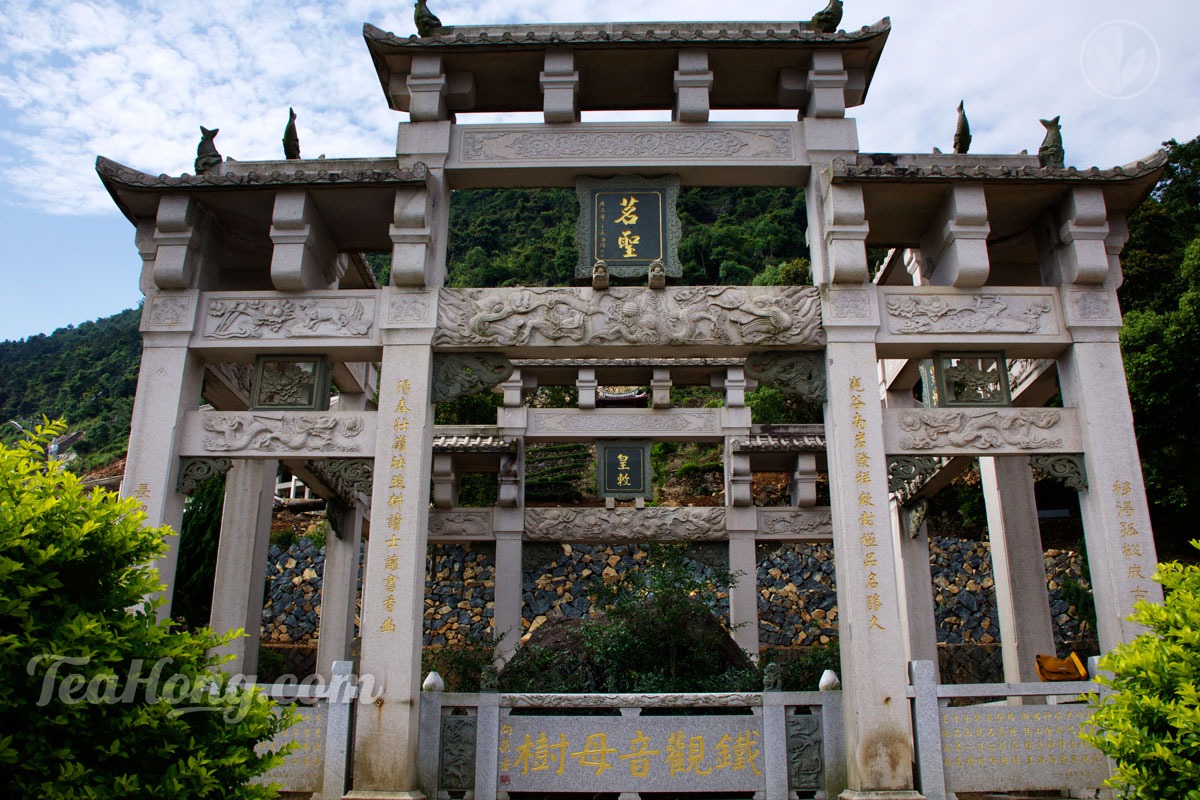
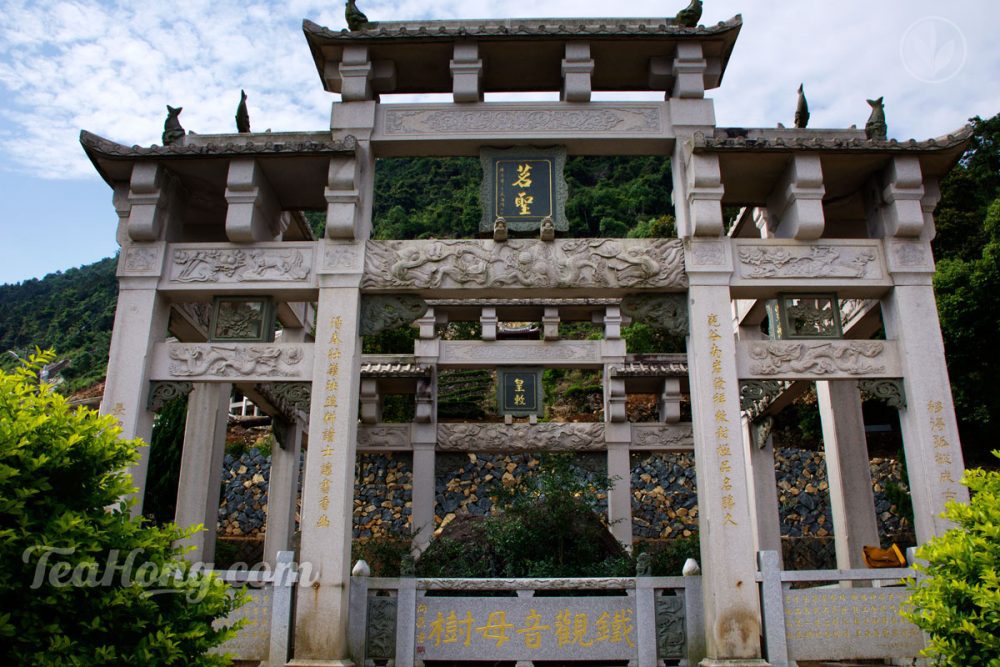
Shrine of Tieguanyin mother tree at Nanyan, Xiping, Anxi. Five shabby old bushes have been fenced with this new cement structure. The biggest Chinese characters read: Mother trees of Tieguanyin. The topmost slab with two characters read: Tea Saint
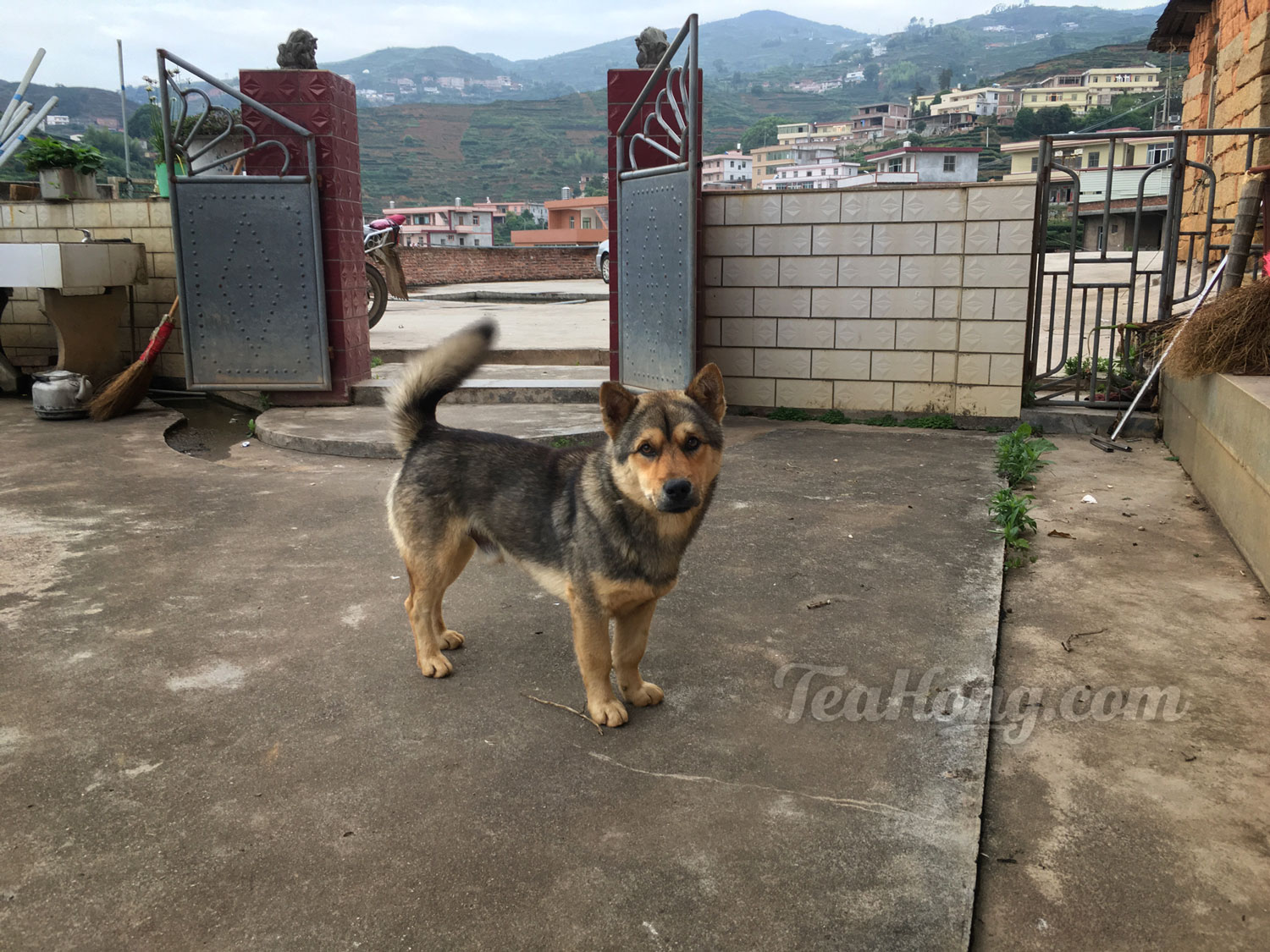
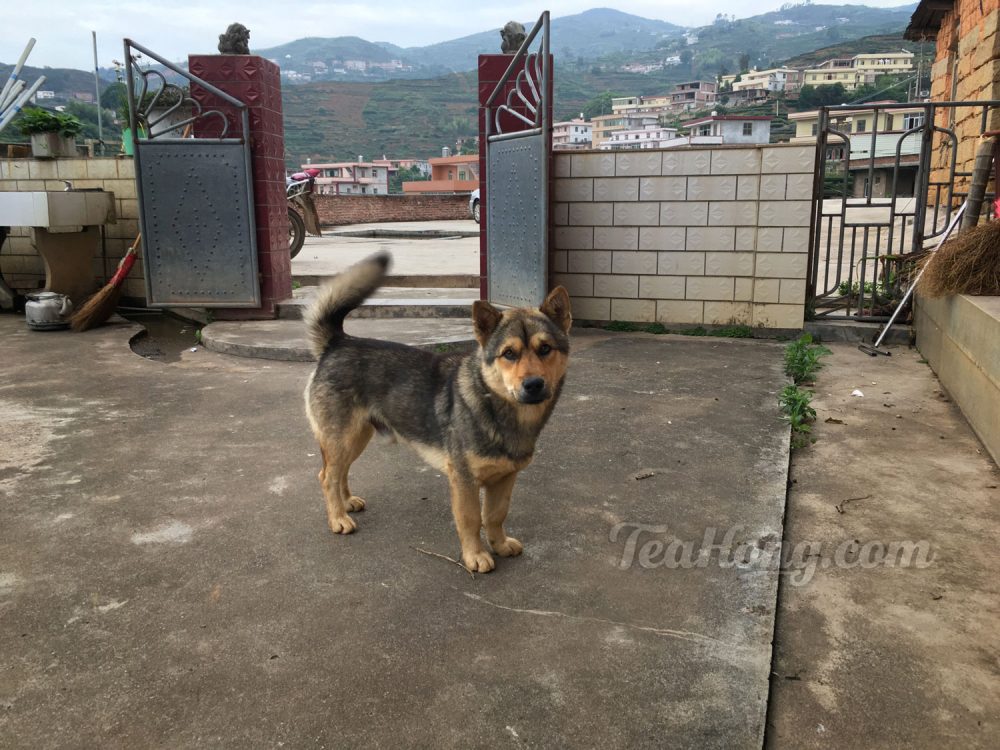
The family dog has no particular name. Just the Minnan dialect equivalent of puppy. Has been with the family for two years since birth, and follows Young Wang everywhere.

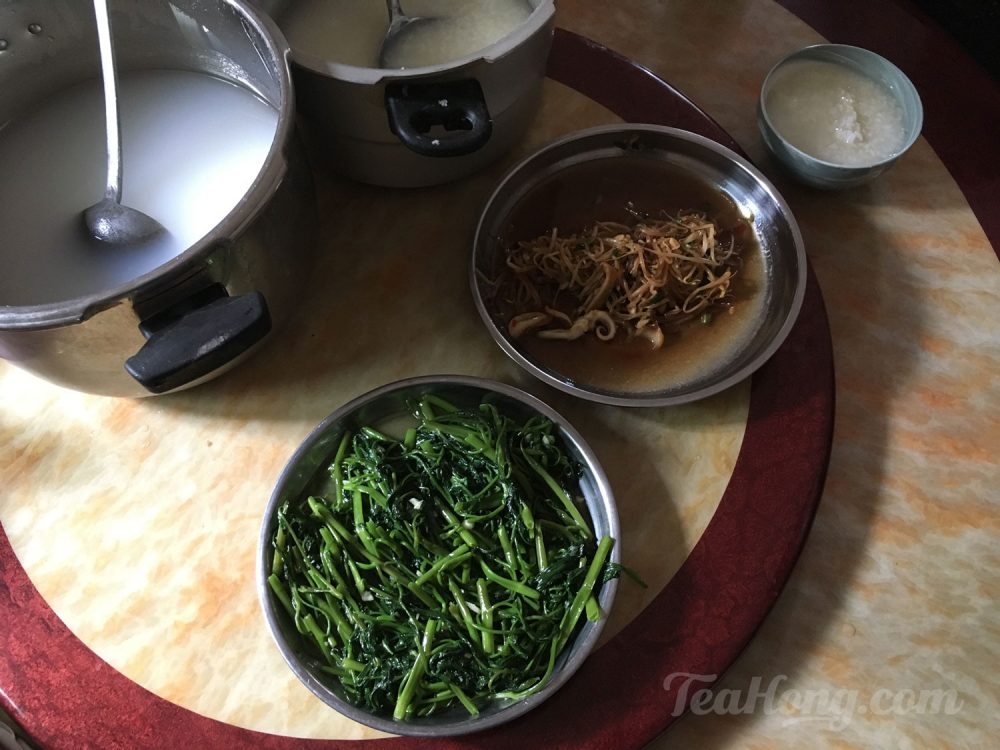
Young Mrs Wang prepared breakfast for everyone. including the tea pickers, before we set off to work in the farm on the peak.

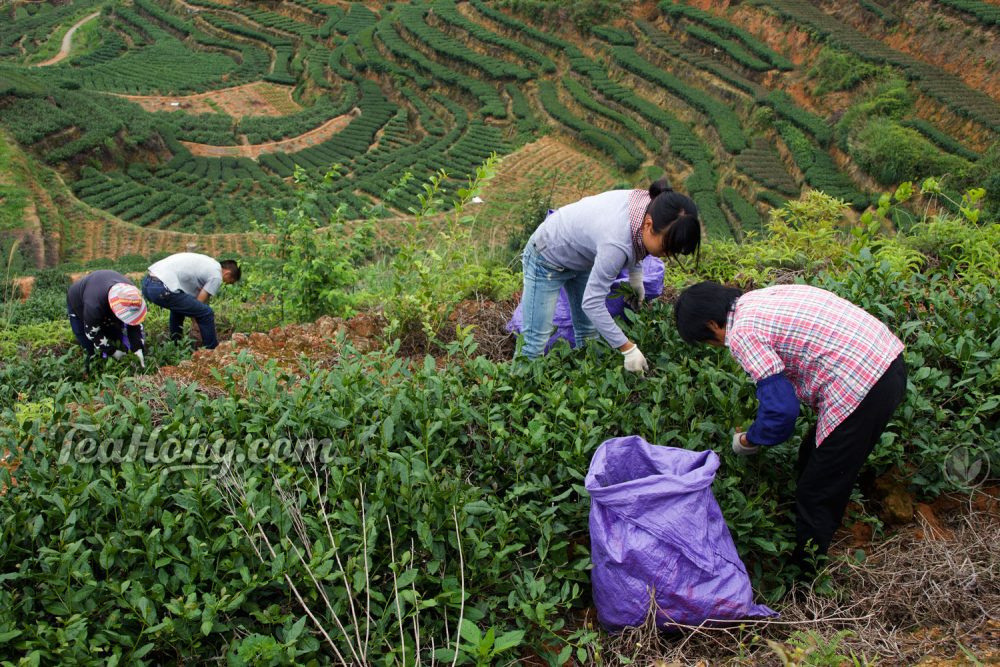
Unlike most other Tieguanyin farms, Wang's peak farm, where Tea Hong's Tieguanyin Traditional is produced, is not pruned. You can compare the free growing style of the bushes and the tidy rows in the far away background. The leaves are harvested only once a year. The Wangs believe that this way the good substances in the leaves will be most balanced and abundant.

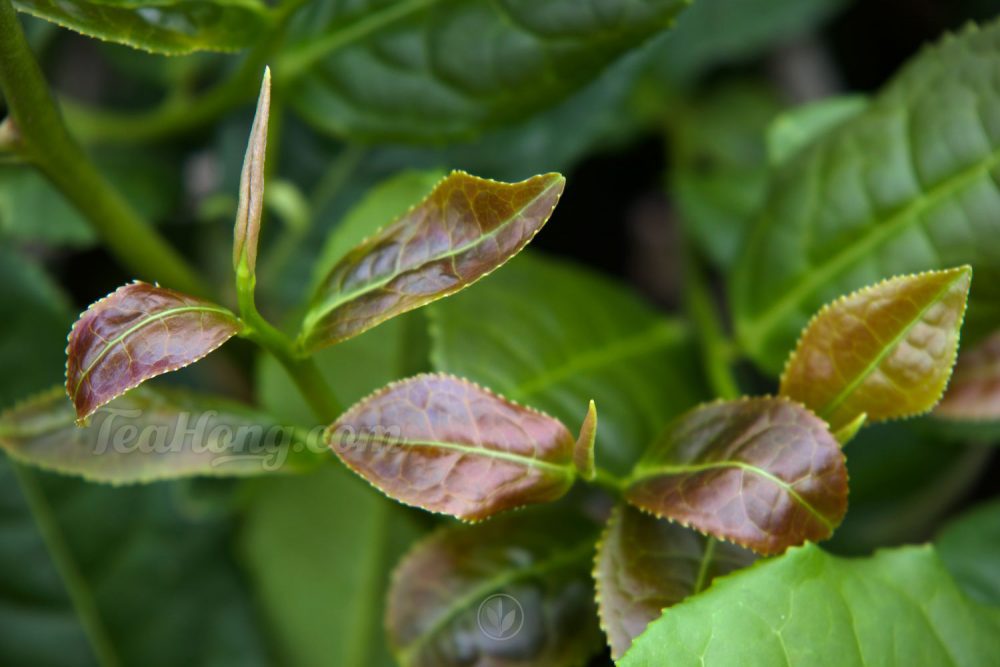
The leaf buds of an authentic Tieguanyin cultivar shows the character of "red heart slant tail" feature, according to old Tieguanyin fans and Master Wang. You can notice how both the shoot and the young leaves are not straight nor symetrical, as are in most other tea plants. This is the reason why authentic Tieguanyin is also known as "Hong Xin Tie", i.e. Red Heart Iron. ( Iron as in Iron Goddess of Mercy, the transliteration of the tea name ) The red fades as the leaf grows bigger.

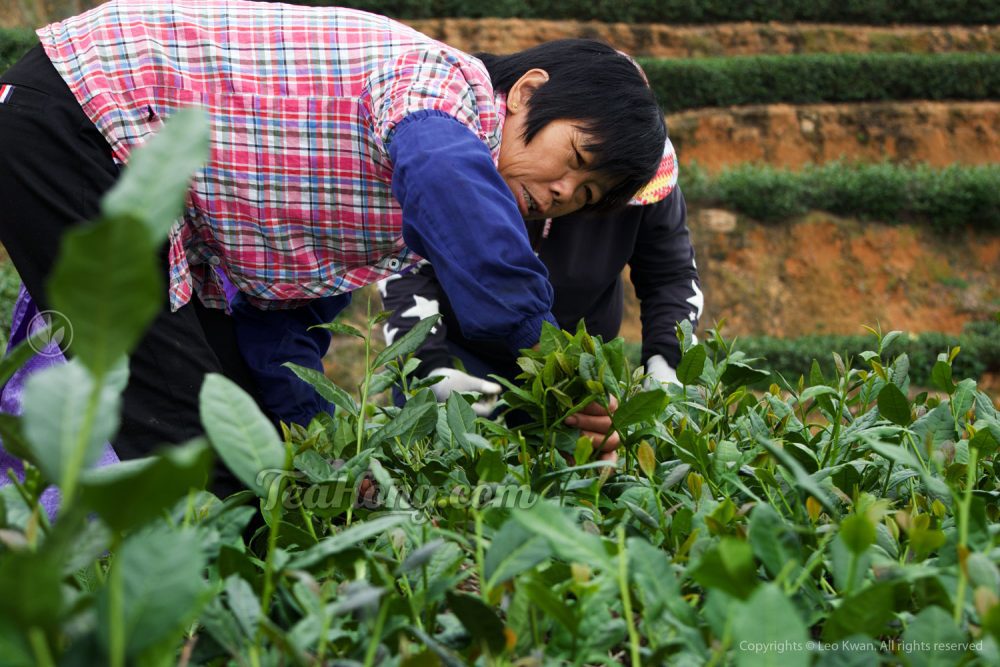
The Tieguanyin tea plant is a very short shrub. It is back breaking to pluck even a few leaves, let alone the whole field. I have deep respect for these tea pickers.

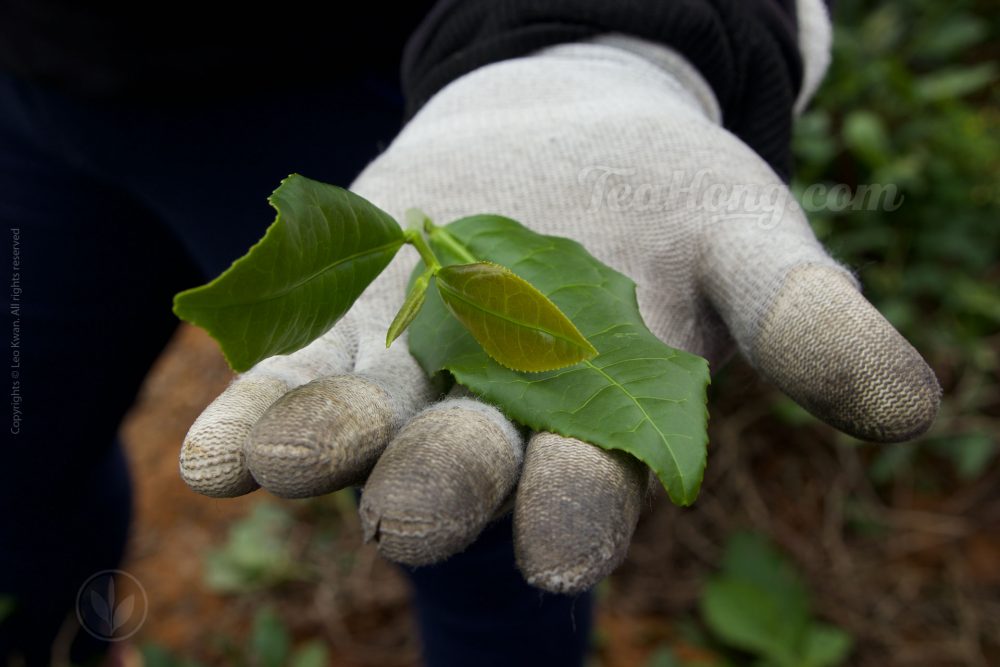
A standard pluck — the two larger leaves will be retained in the product, whereas the leaf shoot and youngest leaf will be got rid of in the later stage of processing. Notice the size of the leaves.

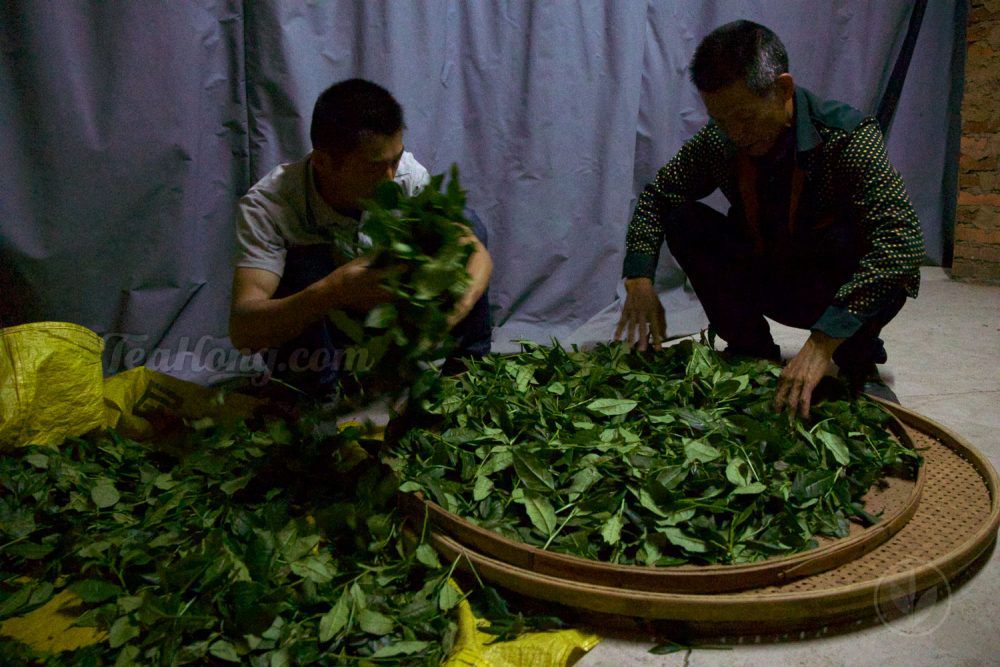
Father and son spreading the Tieguanyin leaves that have been sunned for the process of Liang Qing — resting the leaves for their cell tissues to automatically rehydrate themselves for optimum oxidation in the subsequent steps.

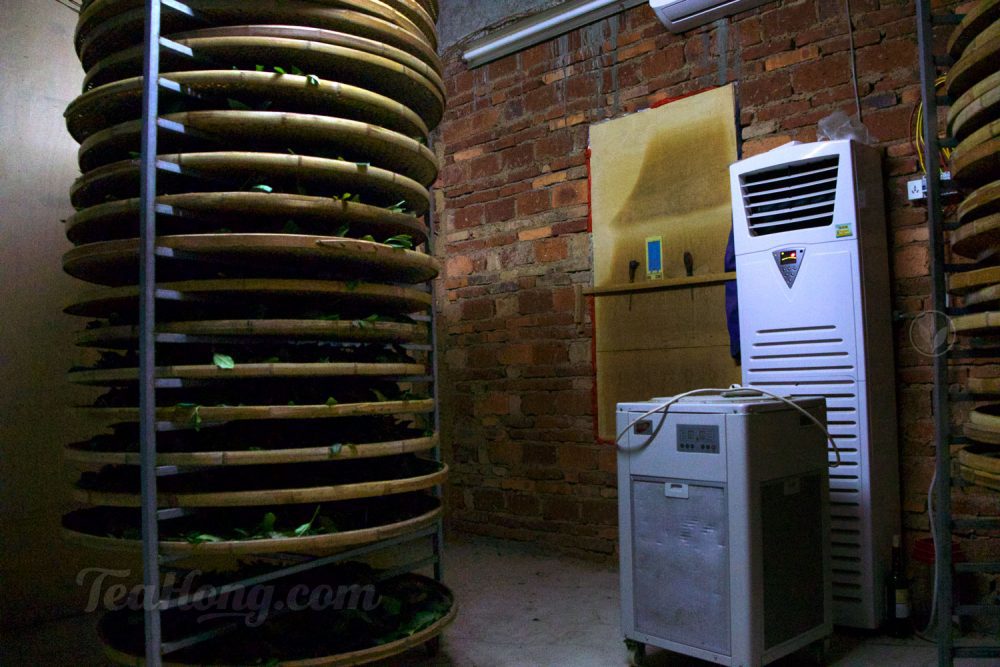
There are a few things that are not traditional in Wang's farm, the most prominant one maybe the temperature and humidity conditioners in the wilting room. This chamber doubles as the oxidation room.
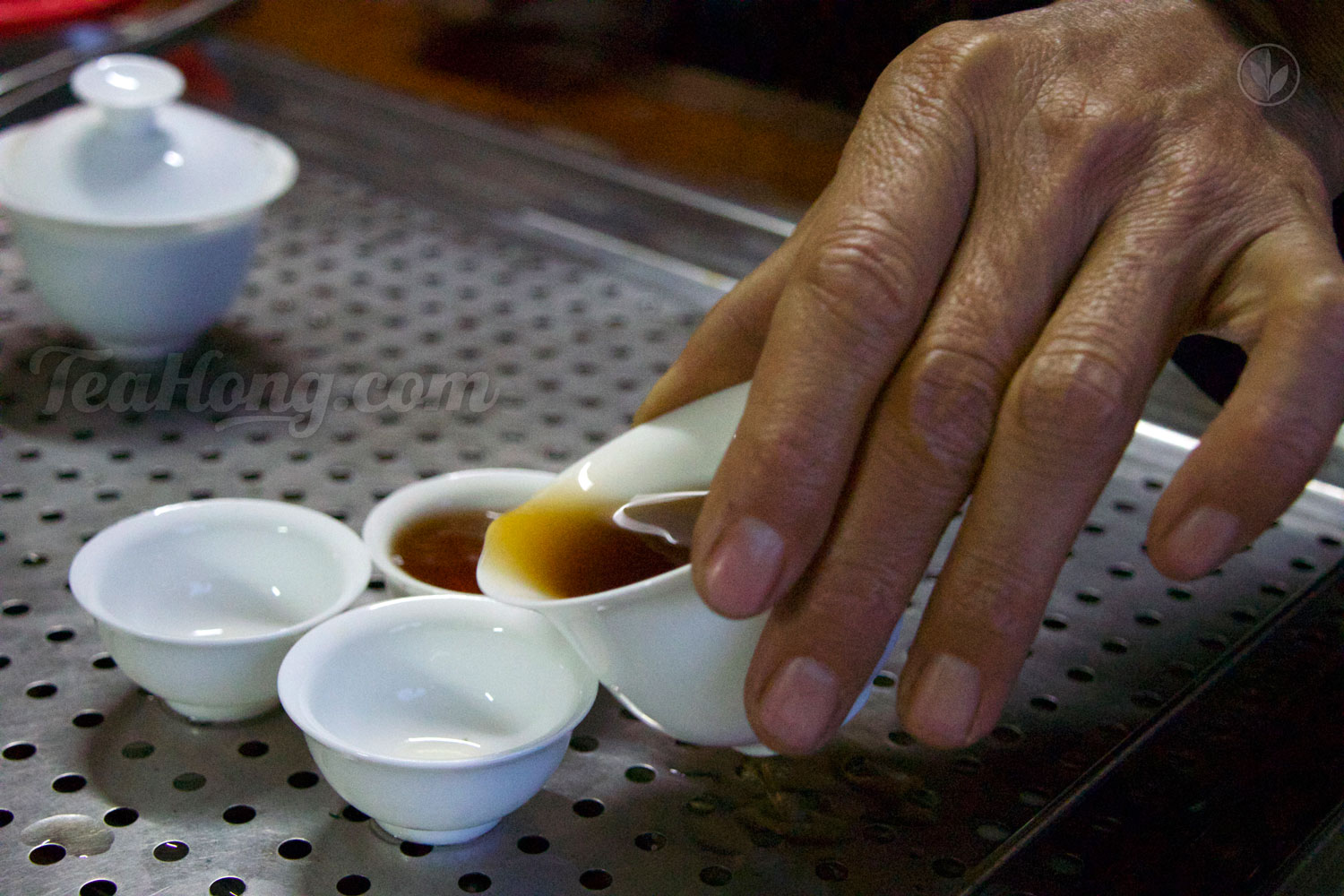
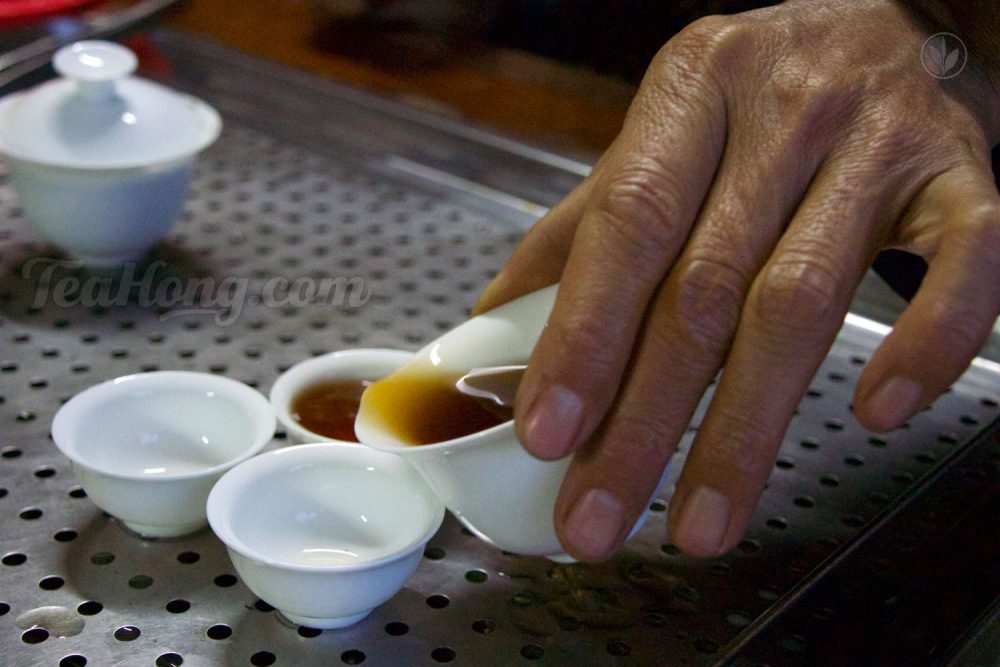
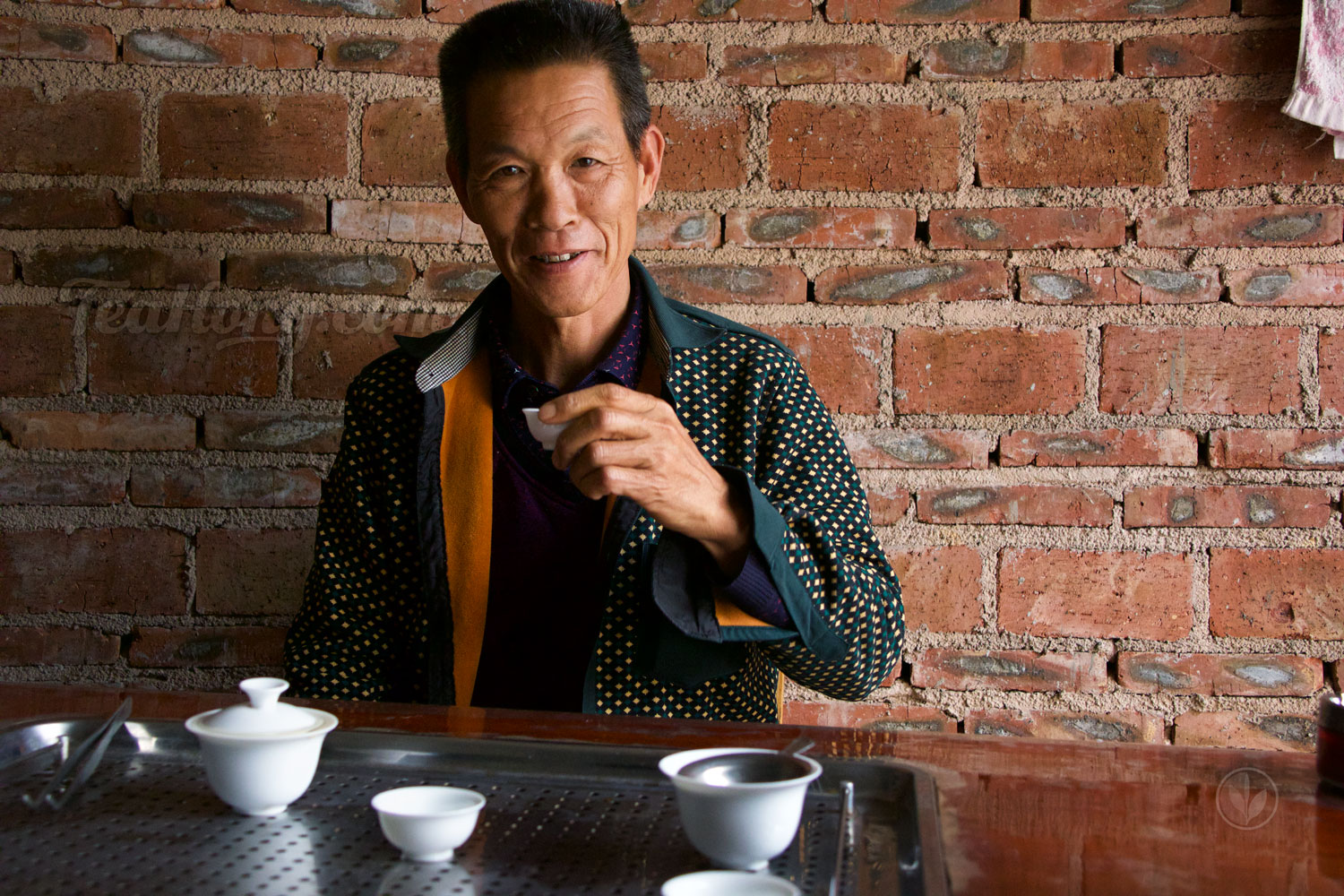
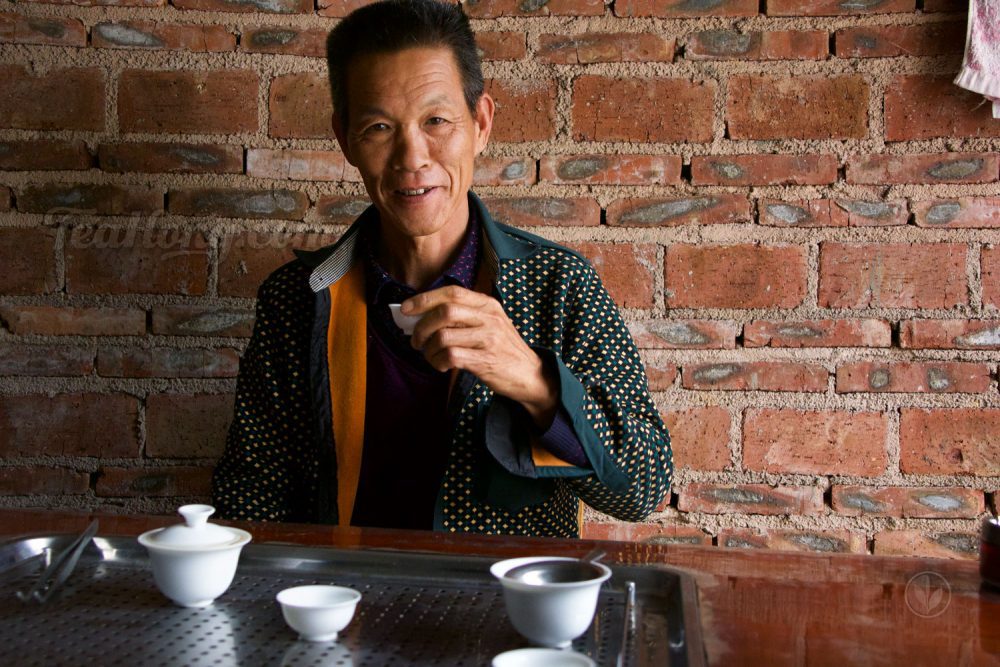
Old Master Wang brewing 25-year-old deep baked Tieguanyin to treat me. "We enjoy this tea at most maybe two times a year," he said. The matured tea is stored away deep in the den in their processing workshop
Comments (0)