
Change is an integral part of Life
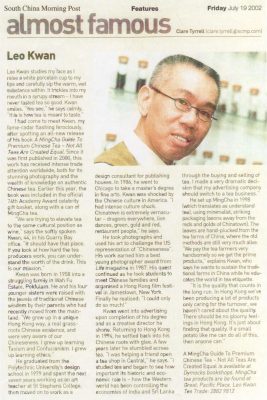
July 19, 2002, South China Morning Post (a major English paper in Hong Kong): A year after I launched my first tea brand in a local food hall, we had drawn enough attention to get a feature reporter approaching us for an interview. In subsequent years, local magazines and the press had featured my tea business in different perspectives and approaches, until I concede the tea company to my ex-wife.
In 1986 when I moved to Chicago from Hong Kong, I carried with me only a large suitcase, leaving all my books, albums and other stuff in my parent’s home. So it was easy despite the cultural shock.
In 1992 after I made a 5 day drive to transport my small family’s belongings from a small town in New York to San Francisco, it took me only a couple of days to settle my wife and half-year old son in the new apartment before I began a new job in an advertising agency.
Two years later when we repatriated to Hong Kong, within in less than three months we had moved to three new homes, during which I switched to a director’s job in a major consultancy.
Five years later, I decided to change my career to tea. And I created a brand that drew attention not only to my business, but also to tea itself. In the subsequent five years, I designed, constructed and setup seven major outlets for my brand, in addition to a few for my clients.
So I am quite comfortable with moving and changes.
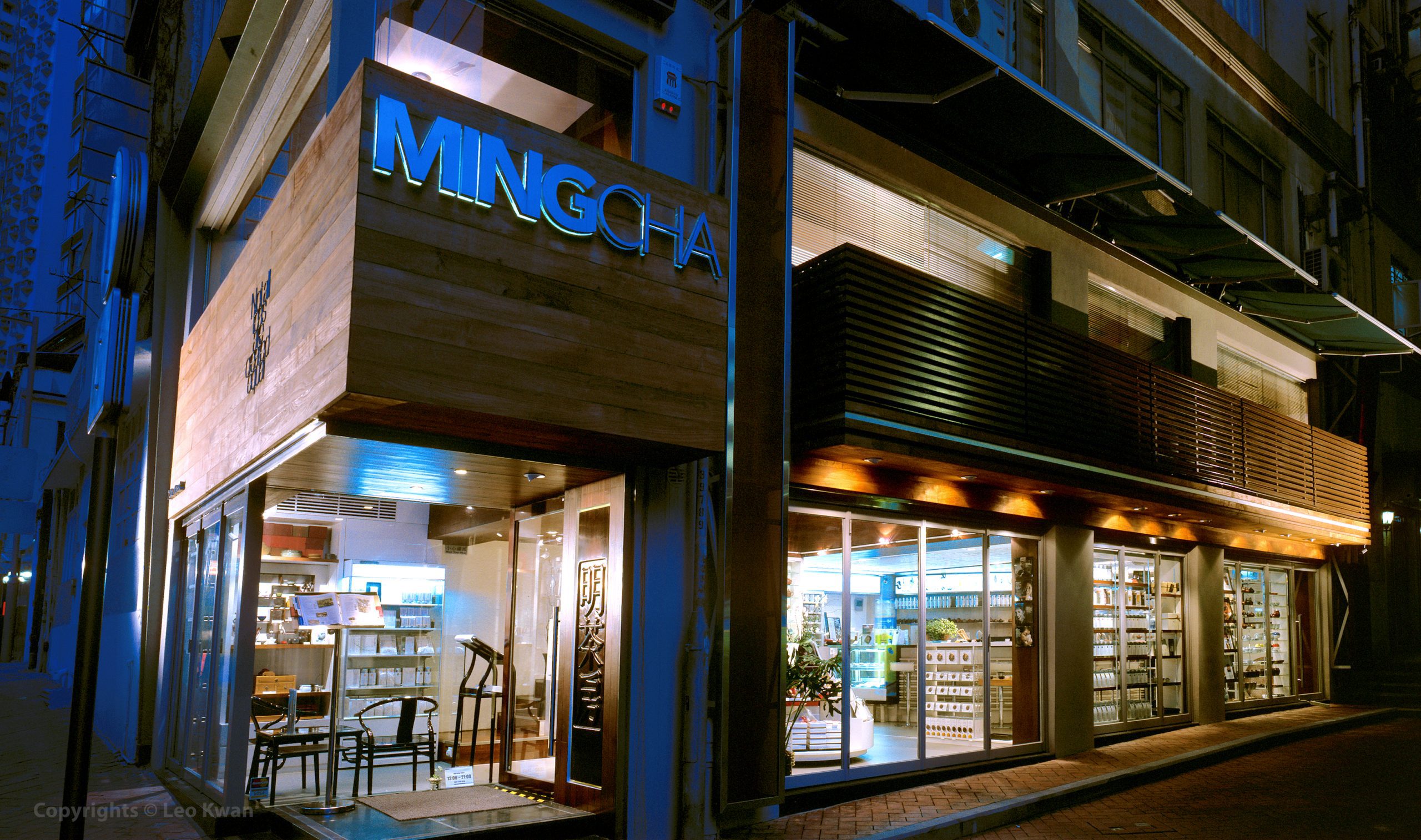
When I created the flagship concept store in 2005 for my first tea brand, it combined a tea shop, a tea bar and a tea salon, actualising the initial concept as the sketch (below) I made a few years before that.
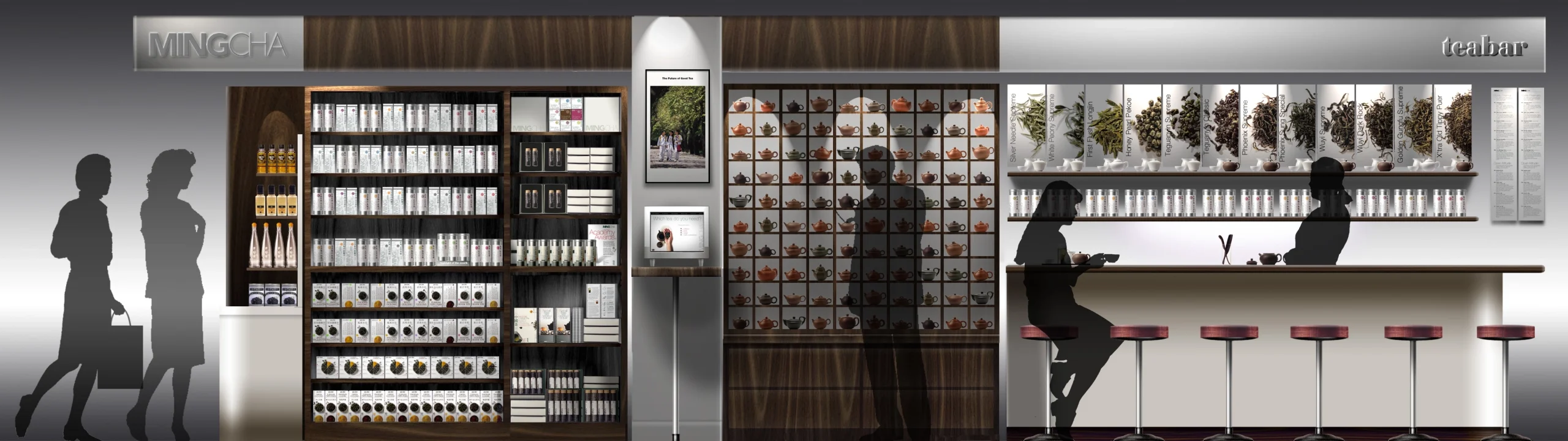
Copyrights © 2002 Leo Kwan. All rights reserved
Japan: despite the nice people, not a friendly place for small foreign business
However, for this relocation from Hong Kong to Nagoya, it’s been quite an overwhelming amount of new challenges.
First of all, you need a “permanent” residential address before you can even see a commercial space listing. In order to start looking for our new office, therefore, we need to successively rent a home first.
To do that, you have to get a property that is willing to rent to foreigners. That may sound strange, but it is a thing in Japan. That is perhaps the result of some visitors doing certain damages to the trust system that was originally here. From the property listing apps or sites, you wouldn’t know which one is willing and which one isn’t. So we relied on the very helpful property agent that we were so lucky to have found the very next day we arrived. They called each one that we are interested in.
And we were able to finalise one in our target area after one week.
It took another two weeks (already expedited) just to get the approval from a guarantor agency (yes, you need to hire one in order to rent any meaningful property) in order to complete the rental contract, which needed to be certified by some government agency before we could sign the lease with a seal stamp and get the key.
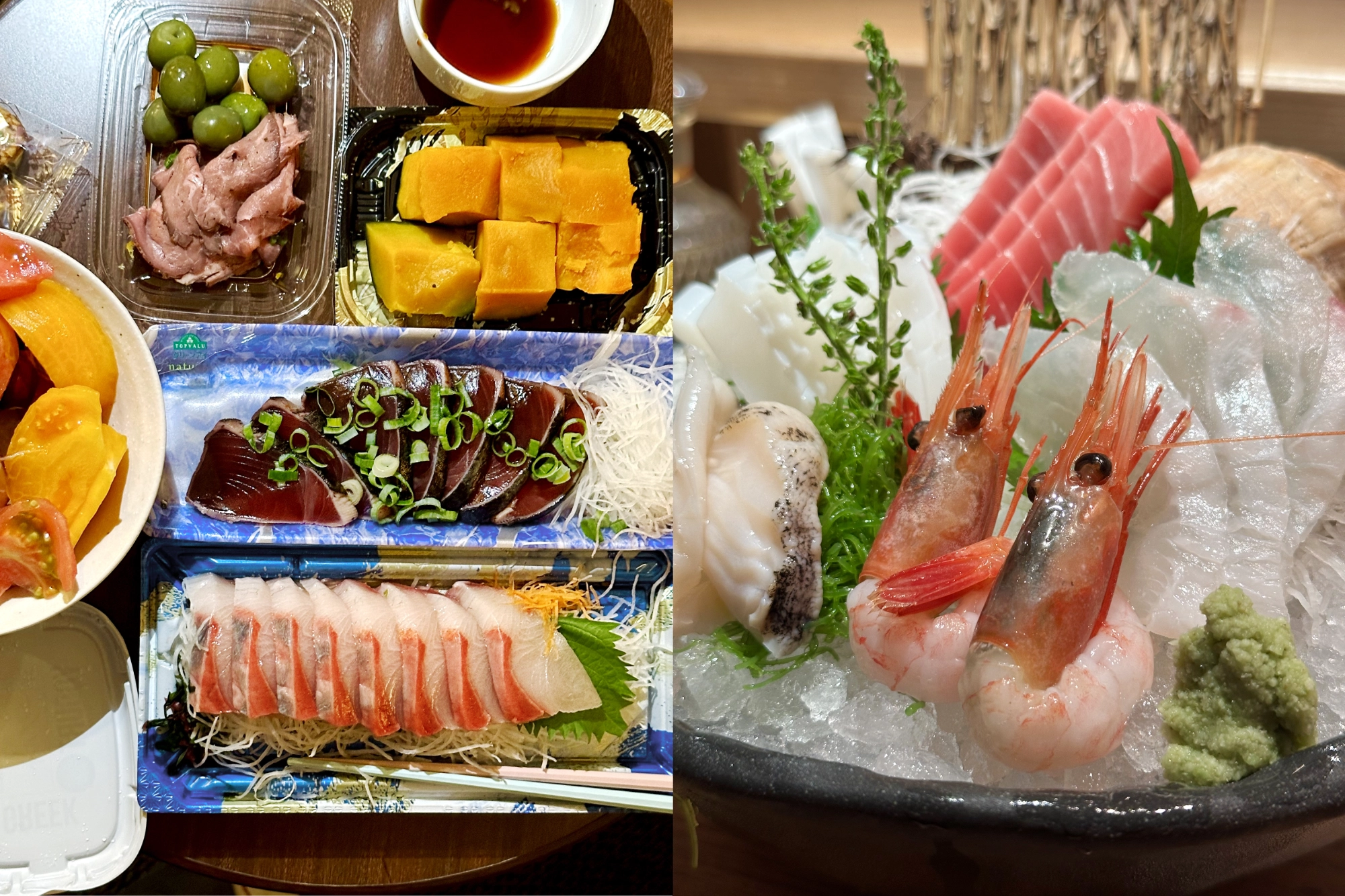
Despite the hurdles with all the conservative and protectionistic challenges, we can always seek comfort in the abundance of good food found near all the banks, government agencies and in our own neighbourhood. Fine French pastries, delicious Japanese desserts, Nagoya style miso tonkatsu and curry… and most certainly fresh, scrumptious sashimi and sushi either in well presented dishes in the restaurant or as great value takeaway from food halls and supermarkets, which we had been relying on for weeks before we could move in our apartment and get the kitchen working.
Fewer owners are willing to rent to ‘gaijins’
Getting a workspace took a lot more time and efforts though. To start with, even fewer owners are willing to rent to gaijins (foreigners).
Amongst all the procedures and papers, they also require three basic seal stamps for the company alone, and another one for the company director. Some of these has to be formally certified by the government in separate processes, with certs that are valid for only 3 months.
After we have decided on the property, the more complicated process of signing the lease began — the requirement of a whole array of papers, such as government-issued certified copy of your company registration that has to be issued recently, and of your company seal stamp, and of the director’s seal stamp, amongst others. You have to get these in various agencies IN PERSON.
That is the rental part amongst all the other time consuming procedures: registering with the local district administration, registering with the postal office so that your mail get to be delivered, registering with the local welfare department so you can see a doctor, registering for a “My Number” cards so that you can even think about opening a bank account… the list goes on.
“trying to open an account with a major bank will be a waste of time…,”
After two agonising days in two different banks, when even our kind and soft-speaking property agent who was trying to help in the process showed anger and frustration against the bank clerks, and we still couldn’t finish filling those many pages of densely typed questions. And just now I received an email response from a solicitor specialising in helping foreign company set up. “…trying to open an account with a major bank will be a waste of time…,” she said.
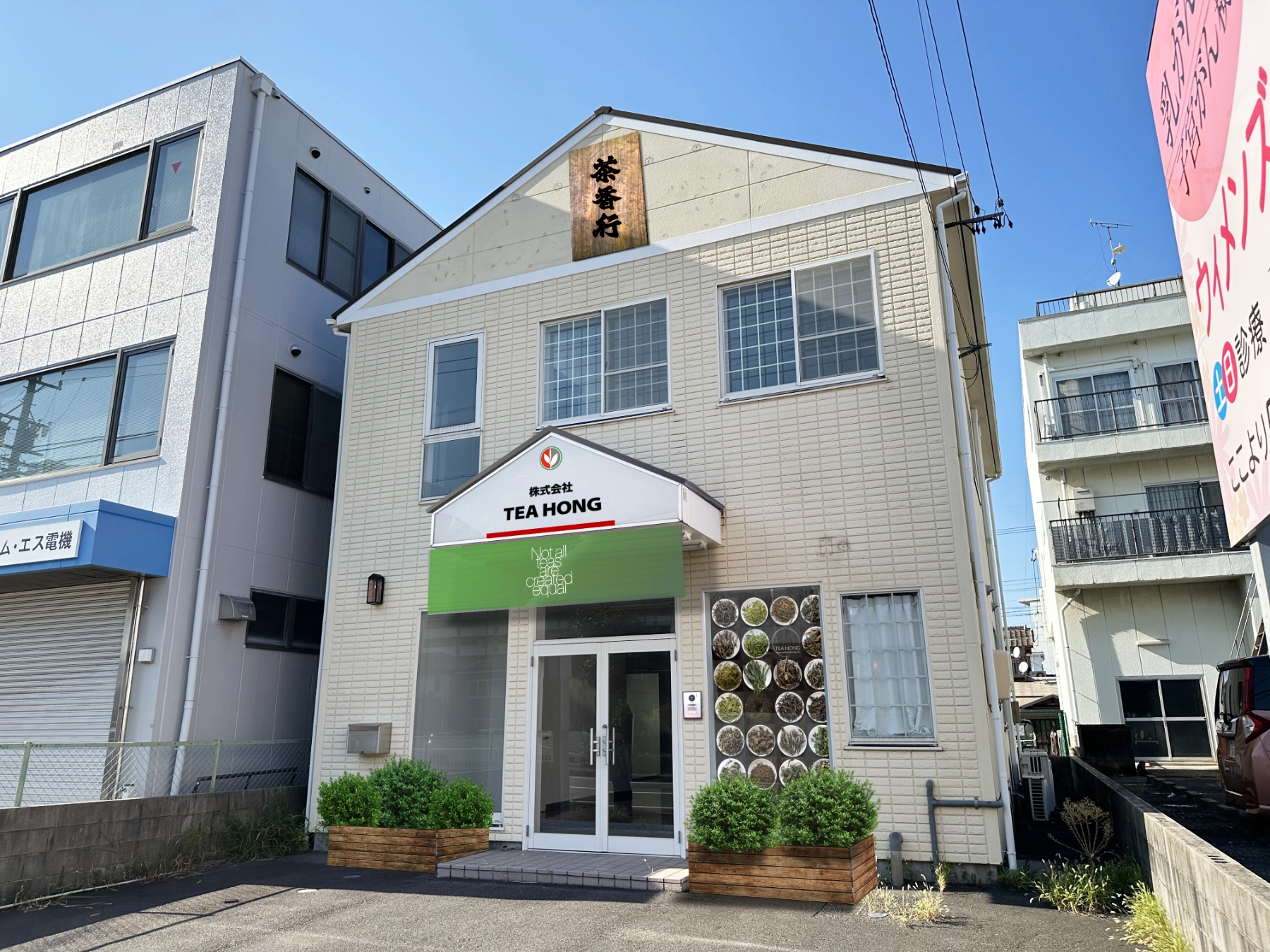
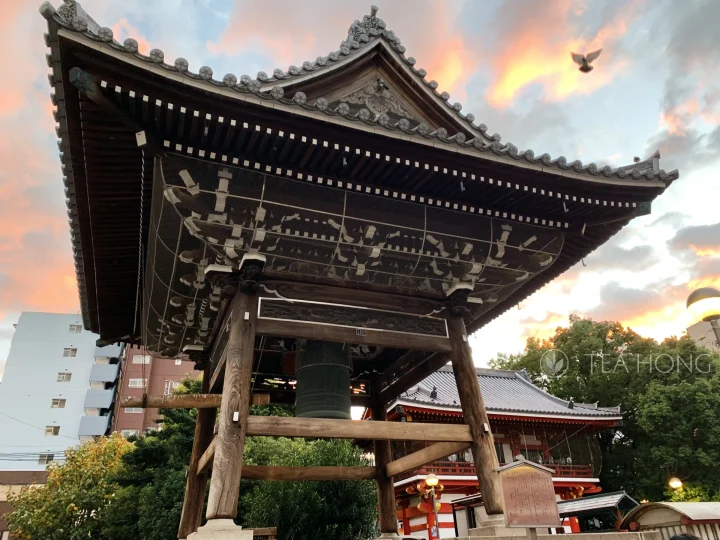
Photo of the humble little house that will be Tea Hong in Nagoya, with an idea sketch of how the signs should look like. The foundation of Tea Hong is a little different from the modern tea brand that I created over two decades ago. From packaging to the work space, I have insisted on the emphasis in delivery of true quality at the best value. Tea Hong in Japan will continue this concept.
At the time of this writing, we have not moved in yet. We need the help of the moving company to finalise the soonest schedule. However, if you are interested in where the place is. Here is the address: 4-chōme-1-9 Tsurumitōri, Minami Ward, Nagoya
All in all, it seems to me that in a country where the fax machine is still being used and old style seal stamps are required in all formal documents, there really are processes and organisational structures that are ingrained into the social fabric not only because of the culture, but also because of the huge amount of interests certain entities need to protect. The bad image of some previous visitors that have implanted fears into this very enclosed society has not helped either.
The snail speed with which we are progressing in this relocation process is in itself alone a challenge to the pace that I have been used to. We shall continue to push ahead anyway, while trying to take care of all those agonising local processes. There are still previously export wholesale orders that we need to fulfil, tea lovers’ wait that we need to answer.
There are new collections of products that I have planned months ago waiting to be released. I need to return to work. I want to share with you true quality happily. That is why I want to be here. That is why I want to get into tea in the first place.
New product collections are waiting in line
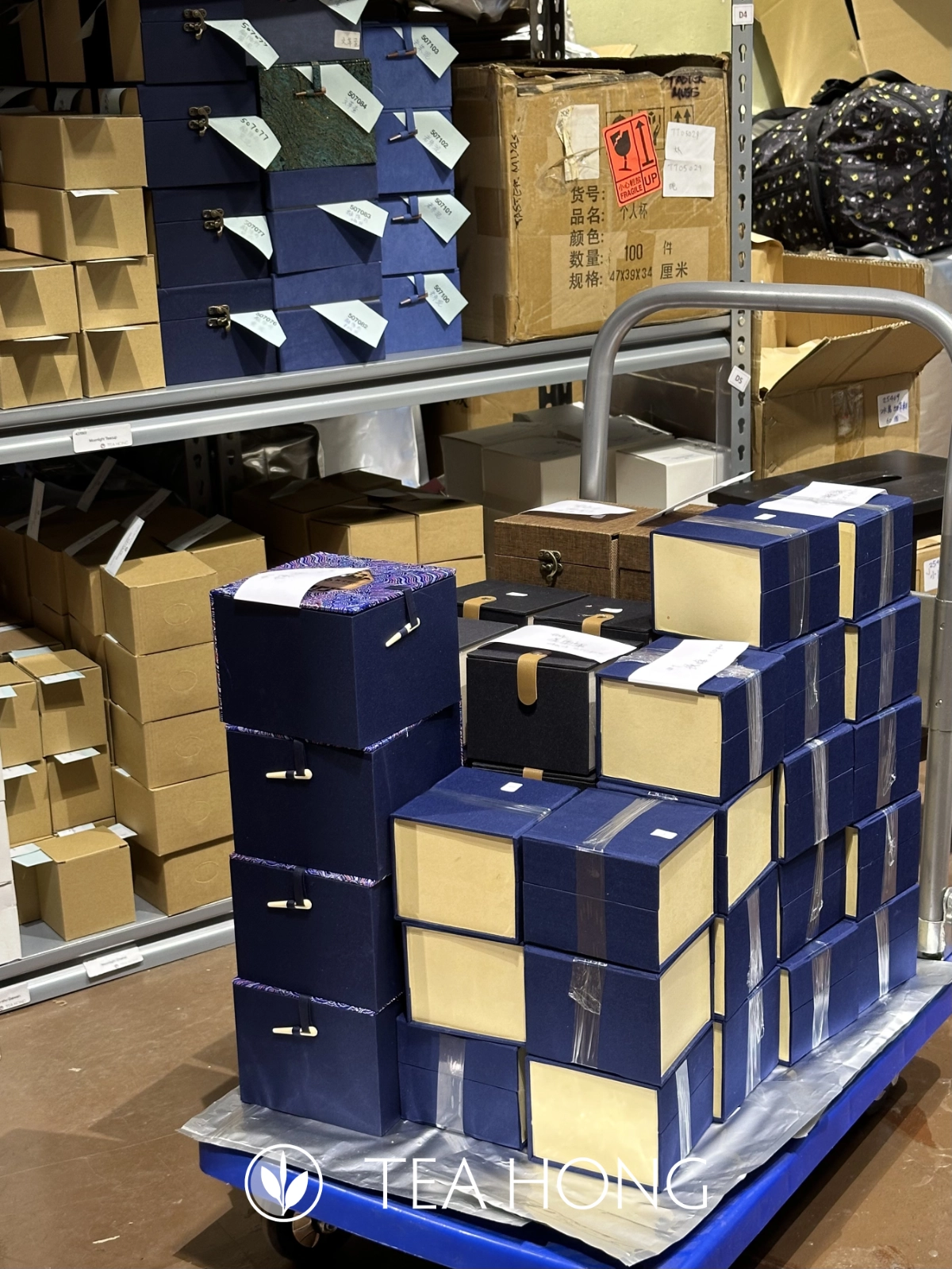
For the category of Yixing teapots alone, there are 5 collections of over 80 items, some are one piece only, waiting to be released. And there are other tea wares, such as kyūsu, porcelain teapots etc. And most certainly tea, including our freshly acquired Japanese line.
There is no perfect place on Earth anyways, Japan is still a place with the most wonderful sushi, tonkatsu, miso curry rice, or tempura soba; the most glamorous food halls with the largest varieties of fine offerings that I have ever seen anywhere in the world. Indeed there red light districts and perhaps yakuza behind things, but overall this is a very safe country with very polite and helpful people, pristine water, nice parks, scenic mountains, and most importantly a social environment that I can be comfortable with.
The cultural shock of the weird limitations and bureaucratic processes we have to confront here is worth it for a better and more secure living conditions. Easier access to those origins of matcha and gyokuro is also a bonus. Despite all the hurdles we are experiencing, we still have high hope for this place where we now call home.
Now that the company address is finally decided, things from our Hong Kong warehouse will hopefully be delivered in a couple of weeks while we are setting up the basics for the operations. Hopefully I can be telling you that our operation will resume very soon.
Do I miss Hong Kong? Most certainly I do. I was born there and have developed most of what I am there. It holds over 50 years of my memories. Even though it is only a three hours flight away, adapting our routines here is too demanding already; I don’t think I could be enjoying those amazing dimsums as nearly frequently as I’d love to. So much so that maybe I should launch the Hong Kong tea nostalgic collection after the shop resumes. What do you think?
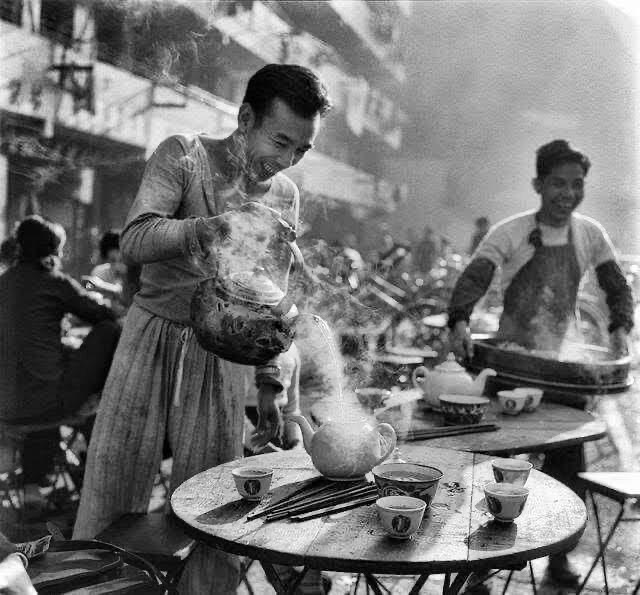
The impression of the taste of the few varieties of tea that I had when I was a small boy in the 1960’s is very different from what people are serving in the dimsum restaurants today. Because of this fond memory, I have sourced specifically some teas to share to let you understand what I enjoyed in the old days.

Comments (2)
-
It’s good to see you are getting settled in Japan, although I understand the journey hasn’t been without its challenges. I am looking forward to seeing what your meticulous curation skills will discover in the world of Japanese sencha and gyokuro-style teas.
While I can now say that I have a strong appreciation for Japanese green teas, it is only by sheer luck that this has become true for me. I am reminded of my first experience with Japanese sencha. I was nervous; it was very early on in my tea journey. And as you might expect, I oversteeped it and used water that was far too hot, and to be honest, it was a pretty terrible cup of tea.
It was both bitter and astringent4 but buried deep beneath those notes was something that intrigued me. I remember thinking to myself that if I could somehow suppress the terrible flavors and isolate whatever this delicious, delicate, umami note was, I might very well enjoy this.
That experience, while unpleasant at the time, made me want to try again. Over the months and years that have followed, I have been able to successfully isolate and appreciate those subtler notes, sparking a previously unknown passion within me for Japanese green teas.
I wish you continued success and eagerly await what you may discover in Japan to share with your loyal following.
-
Author
I was smiling when I read your first infusion experience with a sencha. Although I had seen and experienced sencha making when visiting Japan as early as the early 80’s, when I first prepared my own cup, as a casual drinker at that time, I had exactly that same experience you had. Using very hot water to make tea seemed to have ingrained in most people’s preconception, including mine. In the area of Chinese tea, when I tried to popularise the idea of using different lower temperatures for various tea as I began my career as a professional tea trader, I had come upon mockeries and ridicules by some peers who insisted that all better teas should be prepared at near boiling temperature. I am happy that the world is a lot more open to more logical practices in tea nowadays.
-

Leave a reply
You must be logged in to post a comment.