

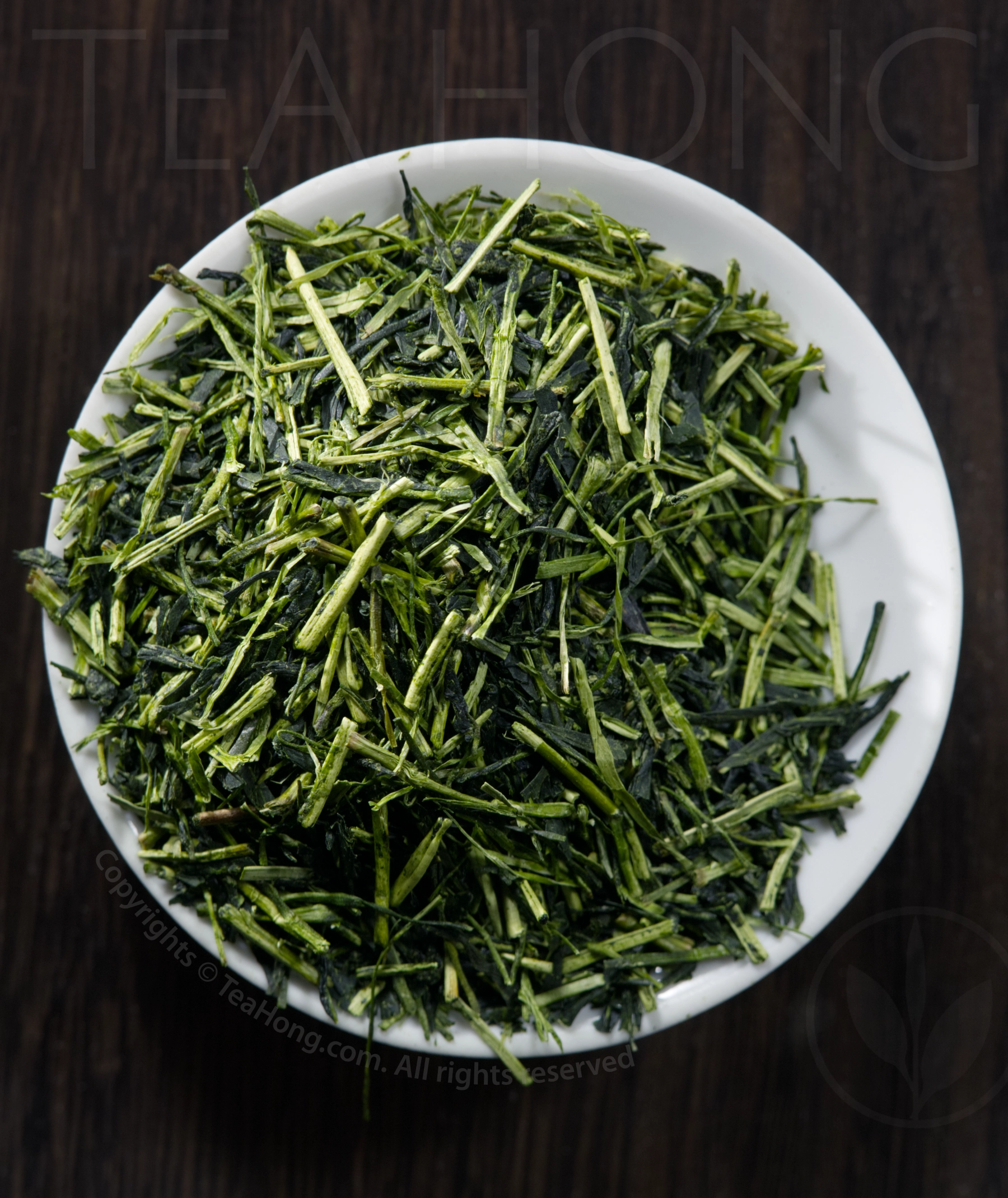
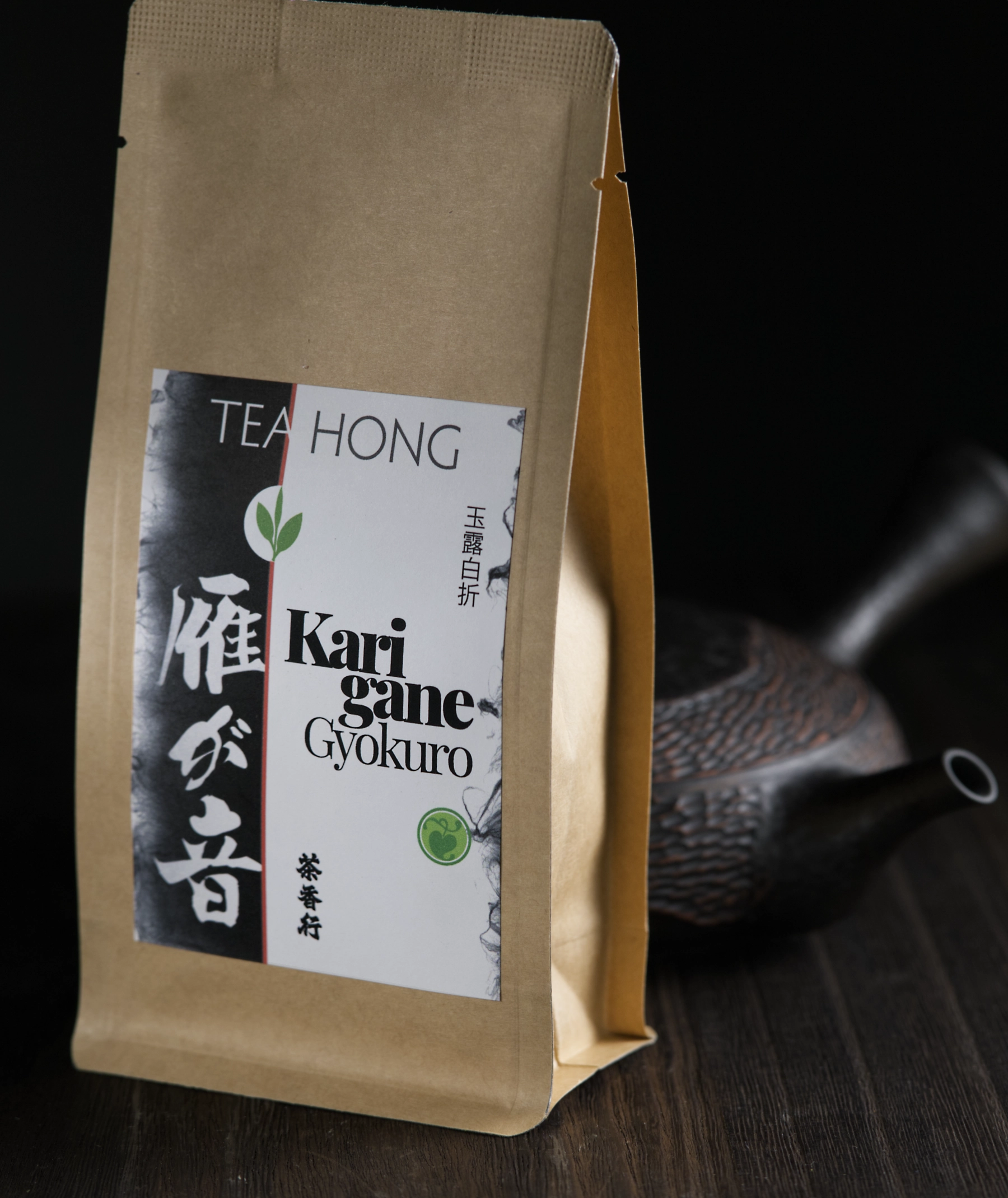
Karigane Gyokuro, a very special kukicha, 120 g
US$23.8
excluding tax and tariff
雁が音 – 白折玉露
When the umami, round and refreshing taste of a good Japanese green tea is desired for a party, or for a casual whole day drink, a good quality kukicha is a popular alternative. Like all other kukicha, or shiraore (another popular name of this tea variety), or karigane, Tea Hong’s Karigane Gyokuro is also produced from leaf stems. There is, however, a significant difference. It is produced as a by product of top quality gyokuro, making it sweeter, softer, a lot more savoury, and as refreshing. Like almost all petiole teas, it is more tolerant of infusion discrepancies, making it a great choice for both green tea beginners and as a daily or party drink. It is a great value alternative to gyokuro. Since a large portion of the leaves are replaced with the leaf petioles, this tea is relatively lower in caffeine too.*
Net weight: 120g (4.2oz) in Kraft-alu pack


In stock

Taste profile
Nose: Full, refreshing aroma with floral accents on an herbal overtone with distinctive notes of cream, dried shiitake, roasted nori (that popular kind of thin seaweed used in snacks and sushi). Palate: Full, savoury and round body with accents of nuts, shiitake and nori. Distinctive umami undertone of cream and chicken broth with optimal bitterness and astringency for added depth. Finish: Sweet and quenching aftertaste.
Infusion suggestion
5g of tea to each 150ml water
As with all other Japanese leaf teas, always preheat the infusion vessel before the actual infusion.
- First round: 70°C (158°F), 50 seconds
- Second round: 65°C (149°F) , 70 seconds
- Third round: 70°C (158°F), 100 seconds…
Use a higher temperature water for sharper body. Use longer duration for more bites of astringency.
* Notes:
Generally speaking, the caffeine content in a green tea made up of petioles and leaves, such as our Karigane Gyokuro, is about 0.5~1.6% of the tea in dry weight, while it is 3~4% in leaf green teas like gyokuro or sencha. It is less than 30% than that of the leaf teas when comparing the content in the infusions. Lower infusion temperature, such as 70°C in our recommendation, also draws less caffeine into the teacup, by as much as almost 50% than in high temperature. Information sources:
“Contents of Individual Tea Catechins and Caffeine in Japanese Green Tea” Goto T. et al., Tea Research Journal 83 (1996)
“Comparison of Flavor Components between Kukicha (Stalk Green Tea) and Sencha” Hara T. et al., Tea Research Journal 78 (1993)
“Effect of Tea Stems on the Quality Formation of Large‑Leaf Yellow Tea” Huang W. et al., Food Chemistry X 24 (2024)
Additional information
| Shipping Weight | 130 g |
|---|---|
| Net weight: | |
| Tea category: | |
| Class: | |
| Recommendation: | |
| Origin: | |
| TCM character: | |
| Infusion color: | |
| Vintage |
1 review for Karigane Gyokuro, a very special kukicha, 120 g
 Karigane Gyokuro, a very special kukicha, 120 g
Honey Orchid, Phoenix dancong oolong, 40 g
Fenghuang | Phoenix, Floral Aromas, Fuller Bodies, Neutral Energy, Oolongs, Tea鳳凰單樅、烏崠蜜蘭香
Milan Xiang Dancong:
The fine mastery that produces Tea Hong’s Honey Orchid has to be coupled with select first flush harvests from high grown tea bushes in order to deliver the kind of quality only a restricted circle of tea aficionados have known and kept to their secret. The overall production volume for such quality in the whole Phoenix region is only a few thousand kilos after all. Most will go to local elites, and the rest to the few hardcore Phoenix oolong fans that are also tea merchants, like us. This tea is also available in a small portion as a part of Tea Taster’s Box: Nine Oolong Samplers.


 Net weight: 40 g (1.4 oz) in Kraft-alu pack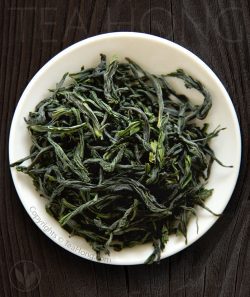
Luan Guapian Traditional, handcrafted green tea, 50 g
Cold Energy, Green teas, Huangshan & Anhui, Lighter Aromas, Milder Tastes, Tea珍品、六安瓜片
The sweetness in a unique bitter green
Unlike other green teas that are prized for plucking early in Spring, leaves of Da Guazi need to be quite grown and spread in order to make a fine Luan Guapian. This gives the proper biochemistry that yields enough pectin for the tea's signature velvety texture and unique bitter character. This is possible only with a special local cultivar — Da Guazi — Big Melon Seed, hence the funny name. Some say it takes enough experience in life for a person to appreciate the bitterness in a food or drink. We think maybe it only takes a person with a truly sensitive taste faculty to understand and prize such a wonderful tea.


 Net weight: 50 g (1.8 oz) in Kraft-alu pack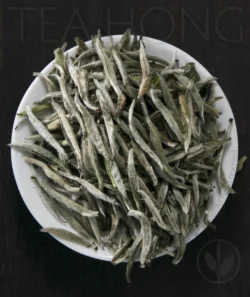
Silver Needle Supreme, traditional white tea, 40 g
Cool Energy, Lighter Aromas, Milder Tastes, Minnan/ Mindong, Fujian, Tea, White teas福鼎 明前 高山白毫銀針
Genuine Baihao Yinzhen:
The first ever modern white tea, Silver Needle that came about in late 18th century withstands time as still the highest quality in the category. Produced in the origin of Fuding with the original pedigree cultivar Fuding Daibai, Tea Hong’s Silver Needle Supreme is a high altitude first flush that distinguishes itself with a subtle yet the most joyful aroma and flavors amongst its peers. The finest and purest of this variety.

 Net weight: 40 g (1.4 oz) in Kraft-alu pack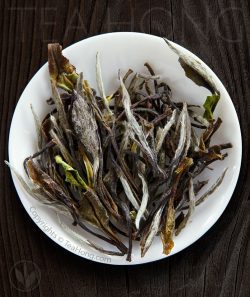
White Peony Classic Long, traditional white tea, 40 g
Lighter Aromas, Milder Tastes, Minnan/ Mindong, Fujian, Neutral-Cool Energy, Tea, White teas明前、政和牡丹王
Zhenghe Mudan Wang
While White Peony from Fuding tastes more floral, that from the other earliest region, Zhenghe, tastes longer and deeper. The more tedious curing process is marked by the darker colors on the leaves. While many prize Silver Needle Supreme for its delicate taste and furry appearance, a superb traditional white tea as White Peony Classic Long delivers a more impressive taste experience. That may explain why this Mudan Wang, aka King of White Peony, is considered the best and most classical representation from the origin, and a favourite by many tea connoisseurs. As most aficionados prefer it, we have always matured this tea adequately before releasing it in the shop. The current stock is a single batch first flush ( i.e. pre-Qing-ming ) that we have matured in our environment since its harvest in 2019.

 Net weight: 40 g (1.4 oz) in wide Kraft-alu pack
This is a wonderful rendition of kukicha, I love how well it maintains its composure even when all of the flavors have been exhausted from the leaves. It resists turning bitter or losing clarity in the flavors even when brewed in a thermos and left to steep for a few hours. It doesn’t turn a hazy, dark green, nor does it taste like a freshly mowed lawn.
Instead, the soup is a beautifully clear and bright gold color. It’s creamy and doughy, with a flavor profile that seems to billow up off the tongue and out through the nose. I get similar sensations from high-grade matcha, and it’s nice to find them here in something much more cost-effective.
The flavors are balanced. I get some mildly sweet florals, some heavy creamy-umami qualities that linger on the palate well into the aftertaste, as well as some mushroom-and-seaweed like notes. I’m strongly reminded of sea lettuce (Ulva lactuca), although I could see nori or kombu being notes in here as well.
The aromatics lifting off the fully-brewed leaves reminds me of saltwater – not fishy, and not over-powering, just a very pleasant saltwater mist rising off the surface of an ocean wave and being gently spritzed inside the nostrils.
This is daily-drinker material for sure. I love how this tea makes me feel, it’s low in caffeine and gentle on the nervous system, but still makes me feel fully alive in the moment.
Hey NN, Thank you for all your recent wonderfully written product comments.
I have great respect to your acute sense of taste. You must have a good discipline in your living style to maintain the health of your gustative faculties. How I wish there is a higher popular awareness of that not only for better understanding of the finer tastes in tea, but for the general cultural health of the world.
You have also so kindly highlighted that we have missed an important point about the lower caffeine contents in petiole teas. We shall immediately amend the description to include that. Many thanks again.