Hakone hot spring resort
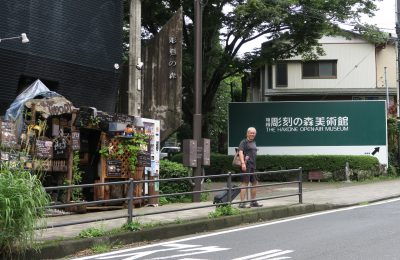
Dragging my suitcase on the way to the hot spring minshuku, I showed my girlfriend the road sign to the Hakone Open Air Museum
Ten summers ago, after getting off at a wrong train stop in a hot spring bath resort area in Hakone, on the outskirts of Tokyo, my girlfriend and I had to walk over an hour up the steep slope for a small minshuku (traditional style family run guest house) we had booked for a 3-day side trip from Tokyo. I was dragging our luggage when the air was not moving and humidity mounting for an unforeseen subsequent rainstorm that had never stopped in the 2 subsequent days.
It was my girlfriend’s (now my wife) first trip to Japan. I felt very bad that she had to experience this in a place with one of my fondest memories. By the time we reached the small wooden house, I was red and soaking wet. The lady who received us sat me down and then immediately went inside, coming out with two small glasses of chilly cold green tea. They were small, like 30g at most, but the impact was huge, and immensely so. It totally overturned my bad impression of cold infused tea.
A refuge
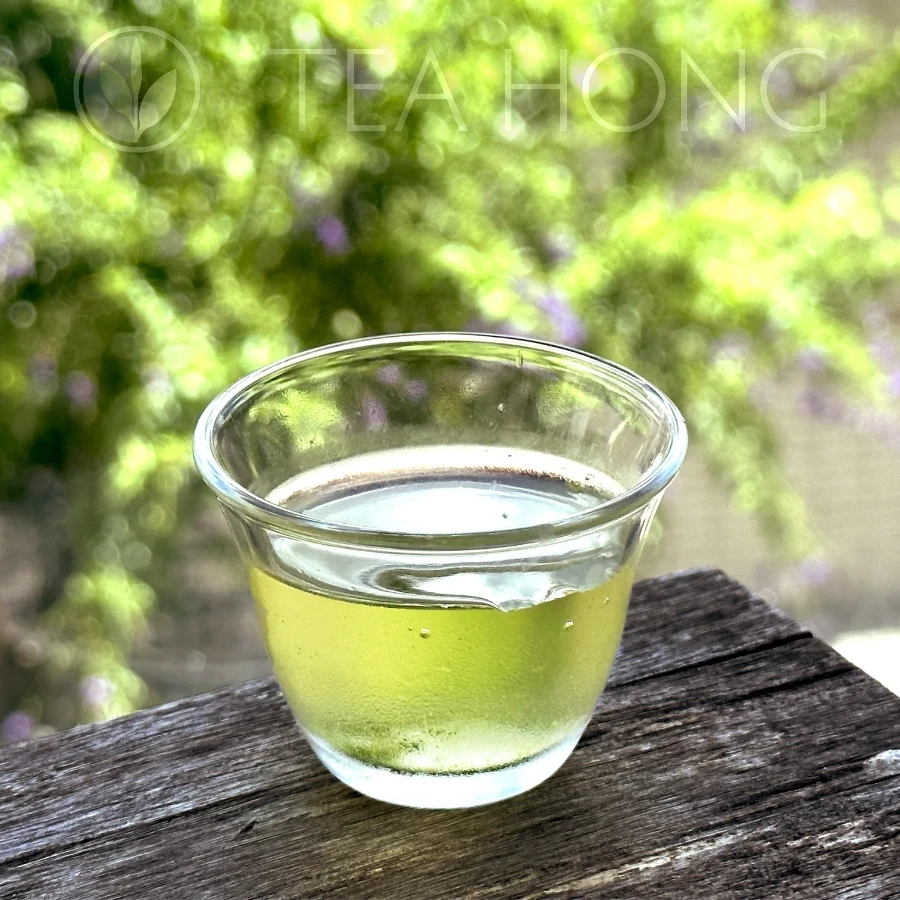
That sip from the small glass was a sensational escape, from the heat and the guilt of making my girlfriend walking all the distance on a hot humid day
Perhaps the heat that had completely invaded me played a role, but the sensation of that buttery texture; immensely cooling, flavourfully umami, and complexly smooth body that was so much a relief after that strenuous climb, a liberating distraction of that feeling of guilt for getting off with her at the wrong train stop, in a place that I had previously been.
Indeed, if you have a weak stomach, or if you are a woman during period, in the common sense of TCM concepts, do not do this. It is also not a suitable drink for more than two glasses a day or for many days in a row for any person either. But it most certainly is luxurious retreat after an unbearable hot day out, or an escape from that choking BBQ smoke.
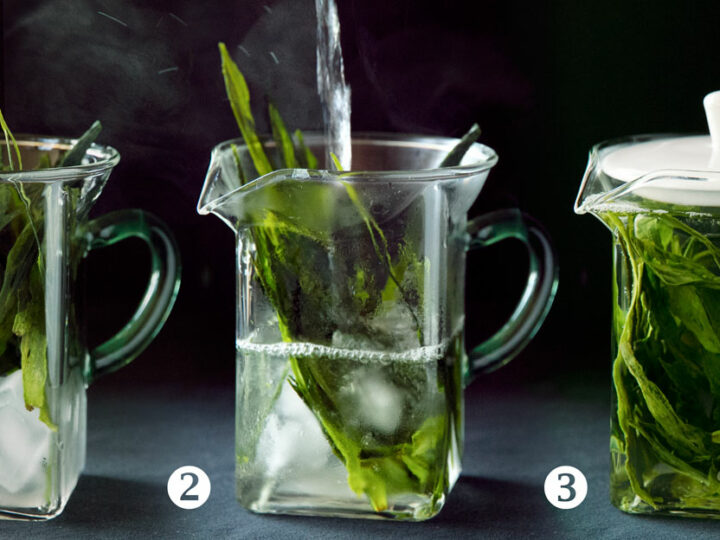
Cold infusing a Japanese green tea: the recipe
I am sharing how I have recreated that same drink:
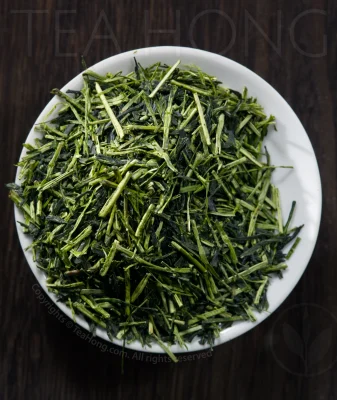
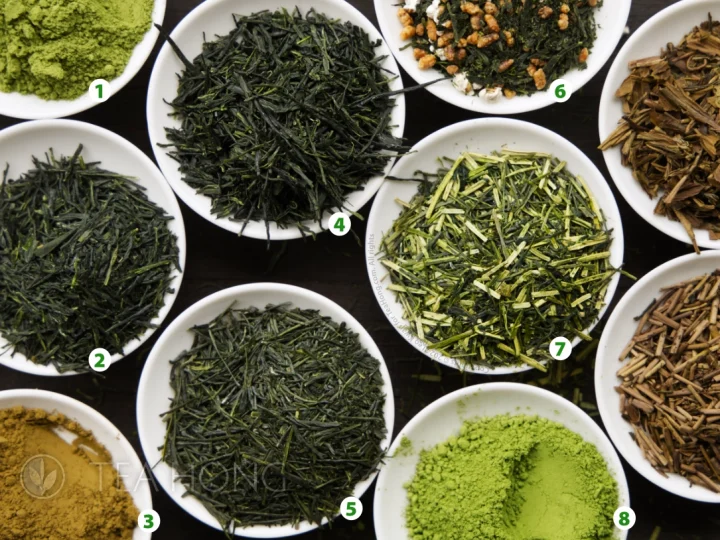
Karigane Gyokuro: To the untrained eye, some selections available elsewhere may look the same as this dish of tea petioles, but the taste itself marks the difference even to some inexperienced tea drinkers. Karigane is sometimes called kukicha, or shiraore. In Uji, where they produce it slightly differently, prefer the name karigane as a differentiator. Tea Hong’s selection is a unique one.
Tea: Karigane Gyokuro, or you may want to use a better tea for an even more tasteful effect, such a Uji Gyokuro, Ise Gyokuro or even a good Kabusecha. The taste of the infusion from all these tea will be different, yet all enjoyable.
Water: room temperature water with low TDS at below 100ppm (ours is around 30) and pH value between 7 to 7.8 (ours is 7), room temperature. We normally boil the water and have it cool down for daily use, for safety in case of bacterial or fungal contaminants. Previously when I operated tea bars, I had a multi-level filter system installed in each serving outlet for the purpose.
Tea to water ratio: 1g to 20ml, or 1g to 15ml if you prefer a more intense experience, like I do
Infusion ware: we have used an unglazed kyūsu, a zhi-ni Yixing teapot and a porcelain infusion mug. The best result is from the Yixing teapot, the kyūsu and the porcelain ware are more or less similar, but all are good.
Infusion time: 48hrs, in the fridge 5°C to 7°C (41 to 45°F), or if you have a 1 to 15 ratio, you may steal 24hrs from this, but the effect is more impactful if 48.
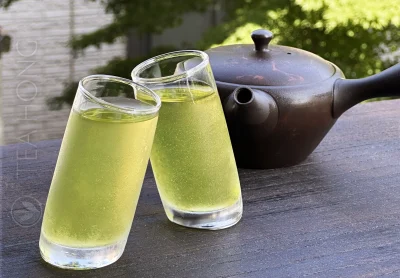
Karigane, gyokuo, or kabusecha are all suitable for this cold infusion approach, each resulting in different taste sensation, and all enjoyable.
A word of caution
Don’t indulge yourself too much though, this smooth and luxuriously velvety drink can be addictive while secretly weakening your yang energy in the stomach, the spleen and the kidney, and causing complications of an unbalanced qi flow in your body.
So treasure that special moment and enjoy.
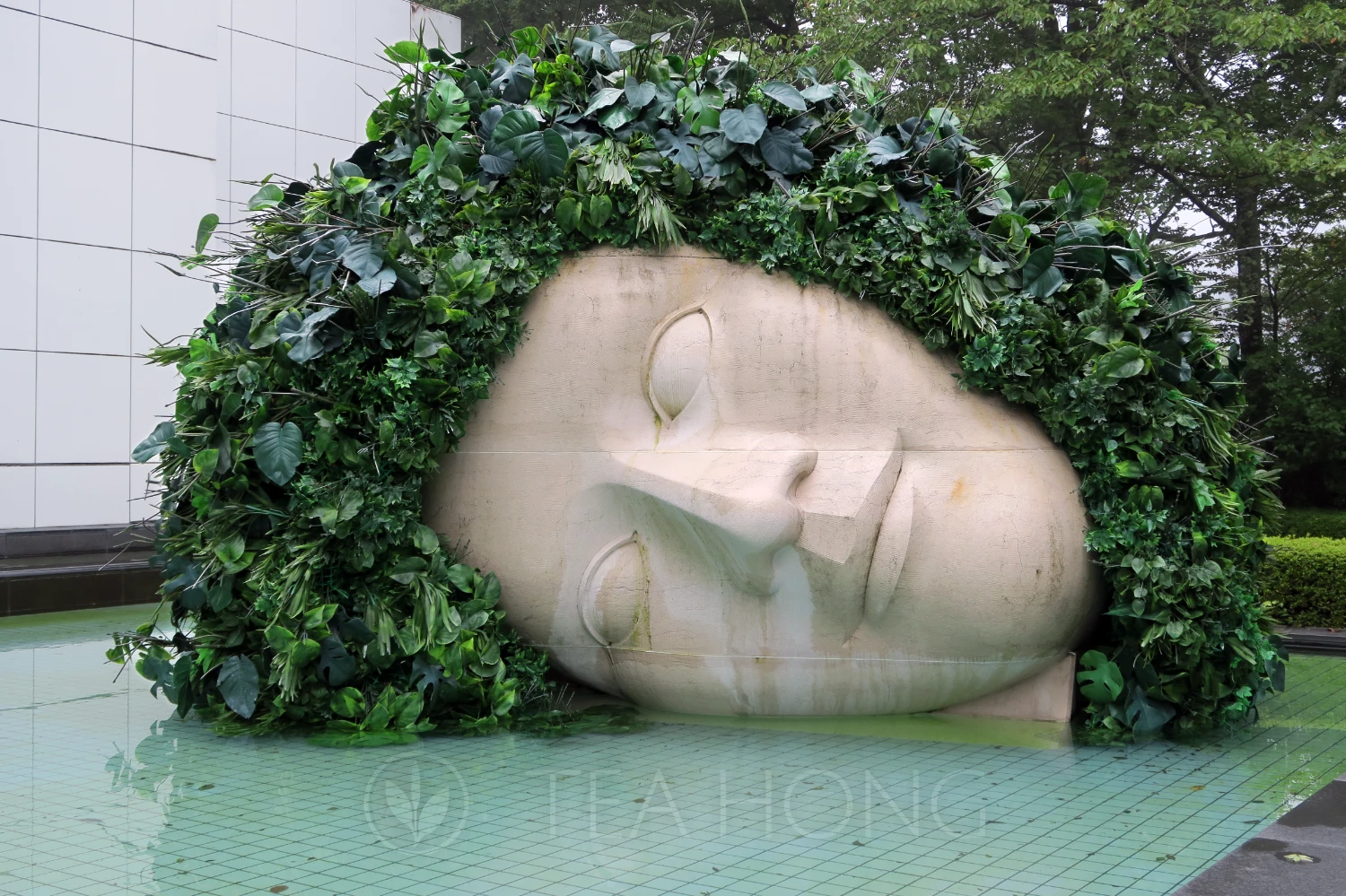
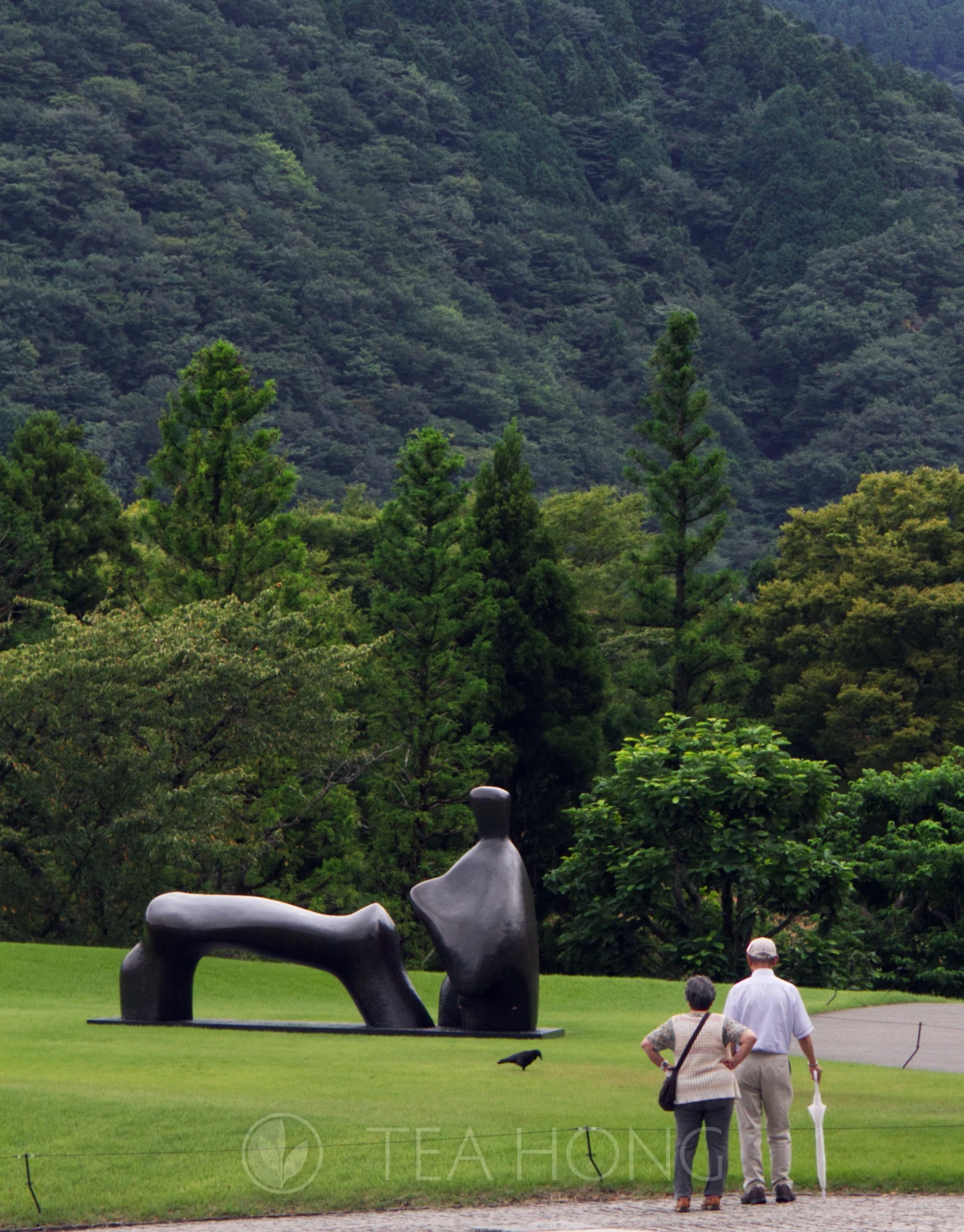
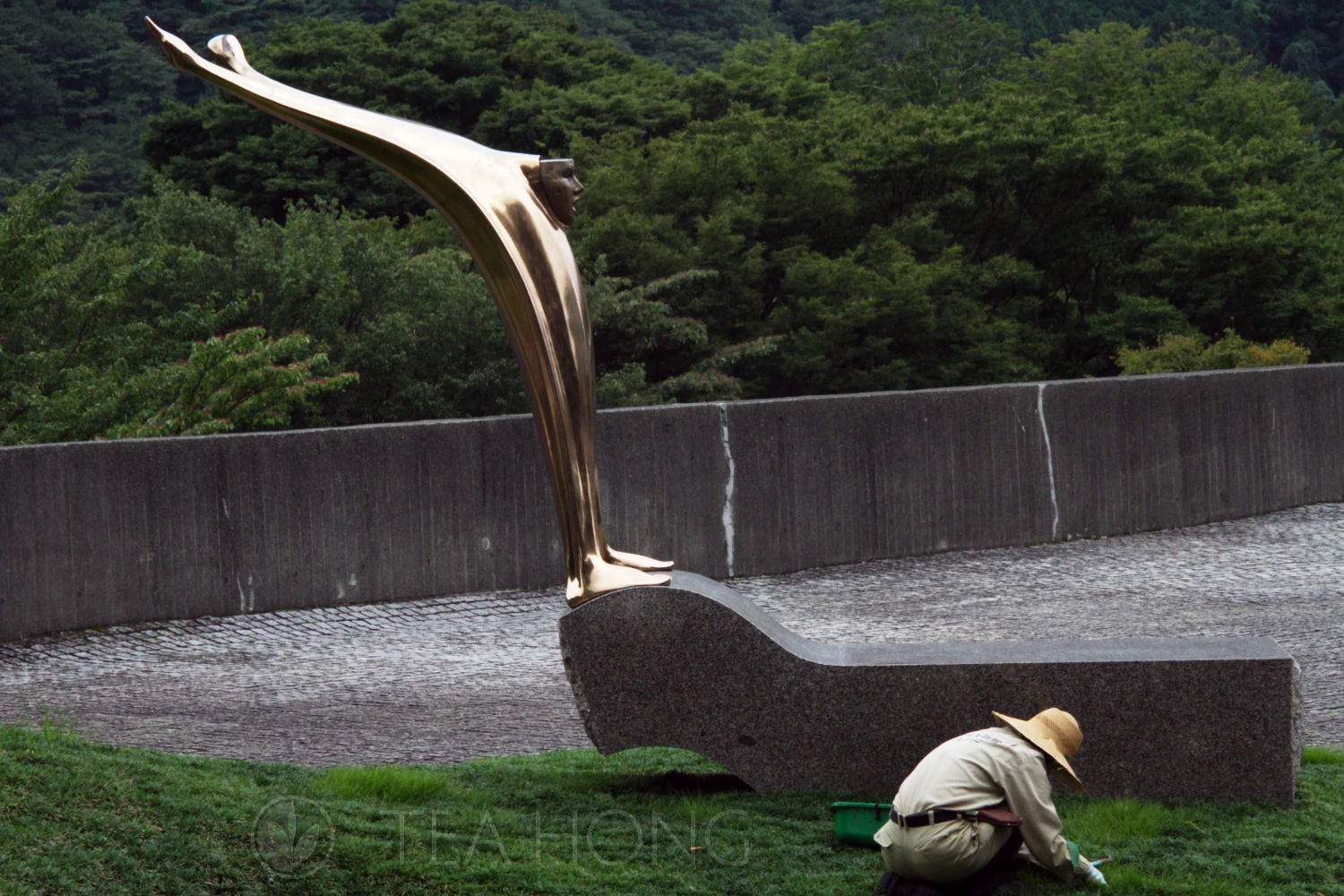
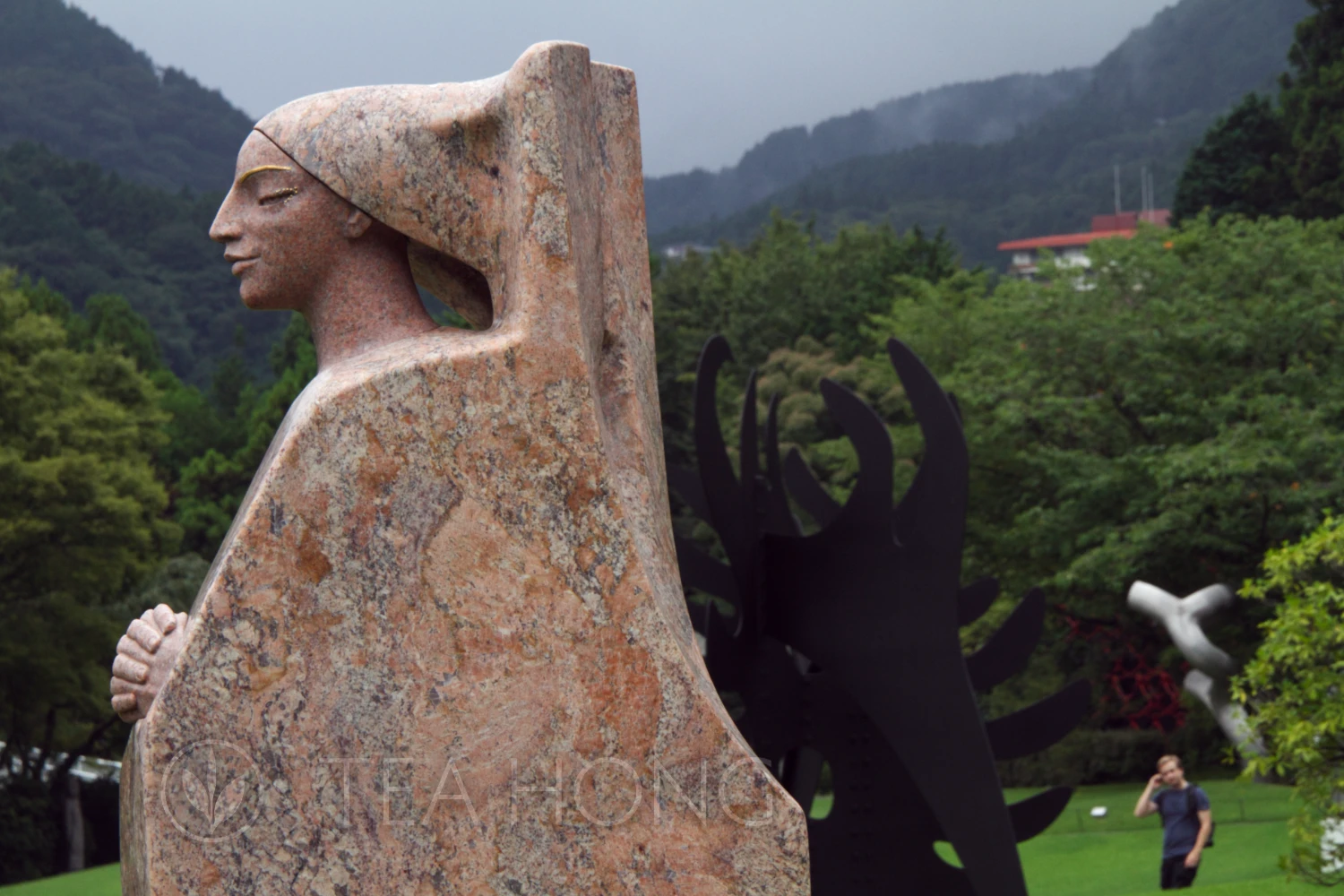
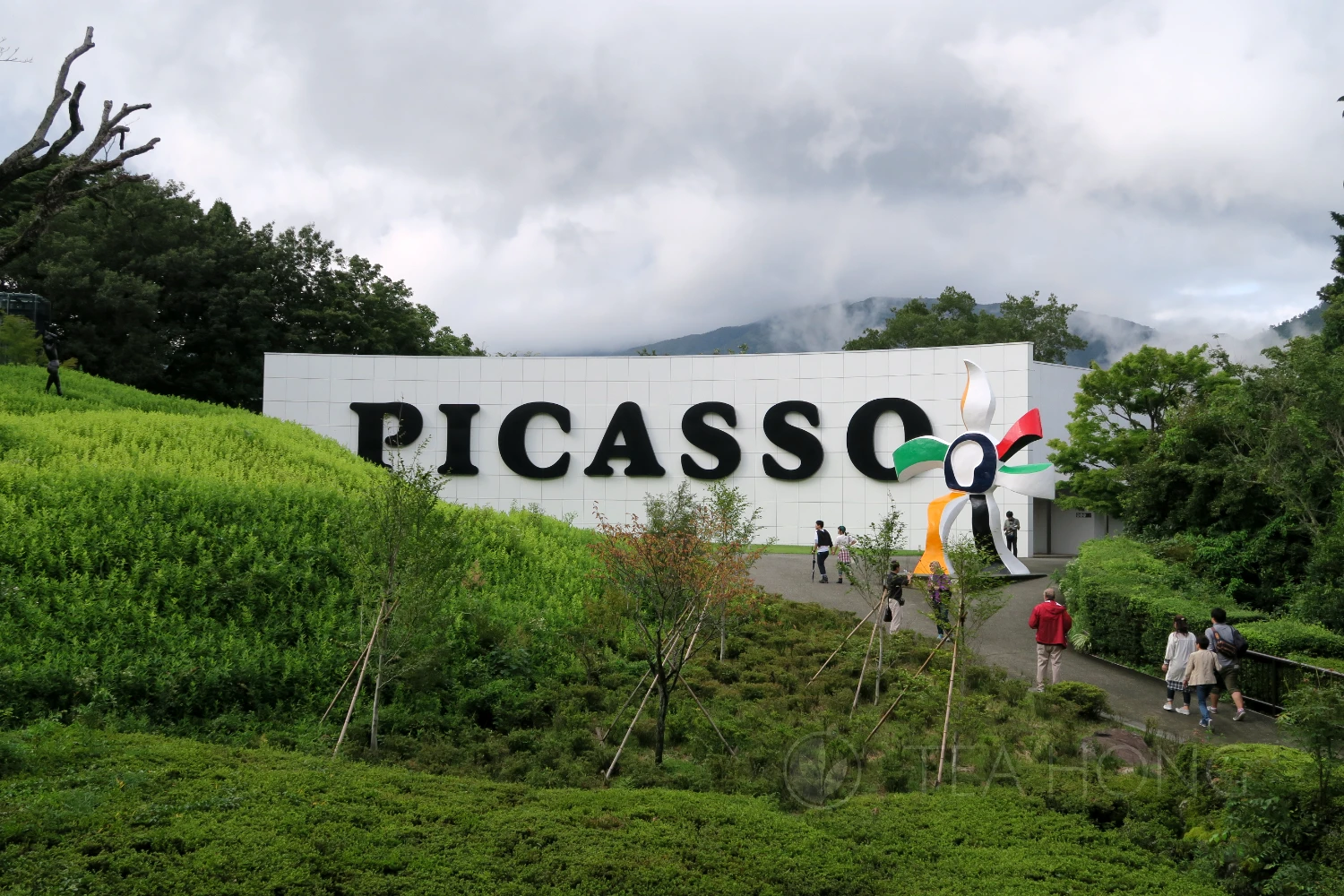
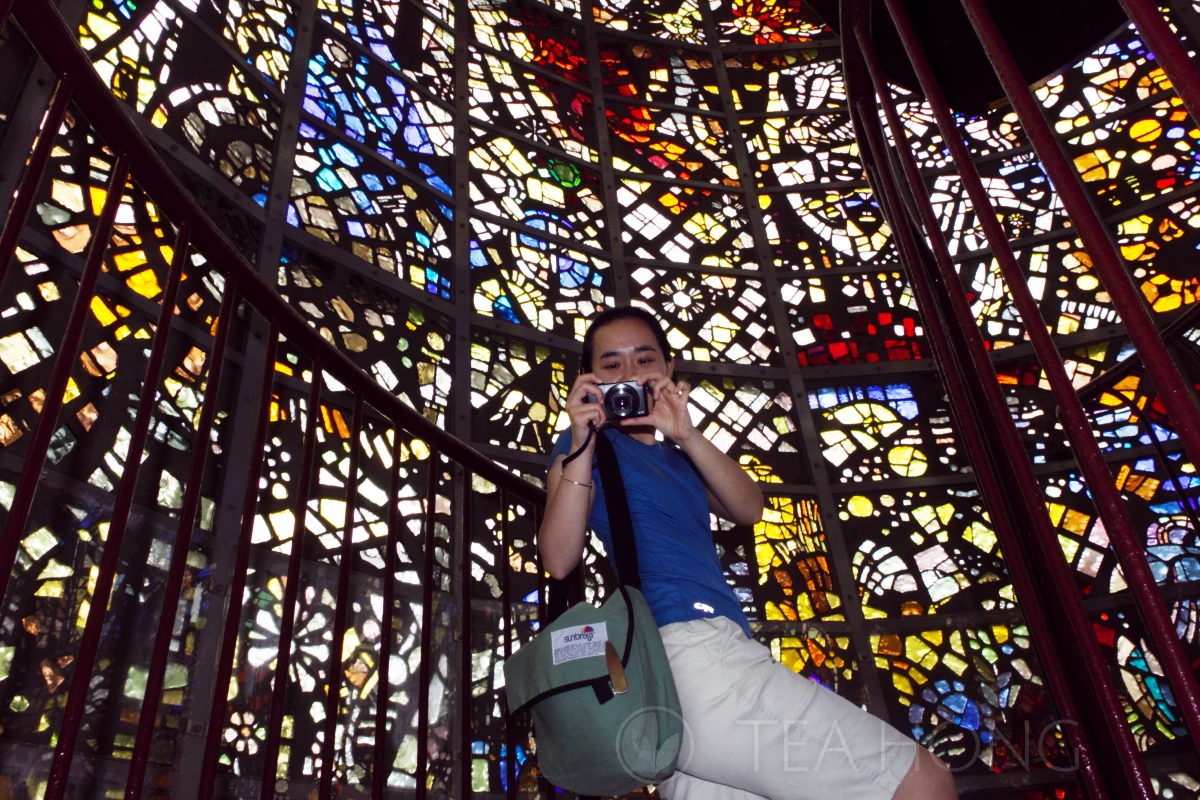
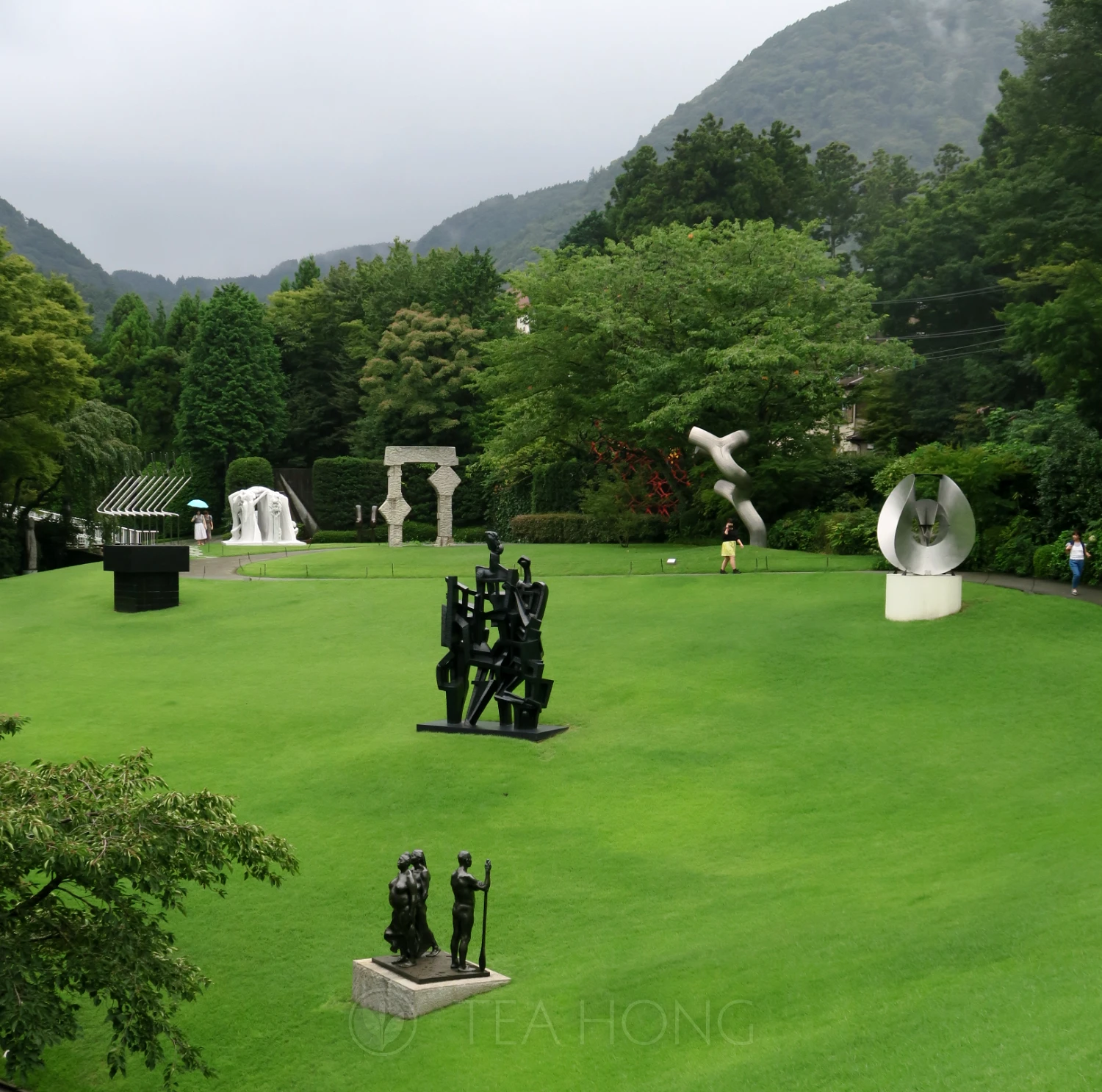
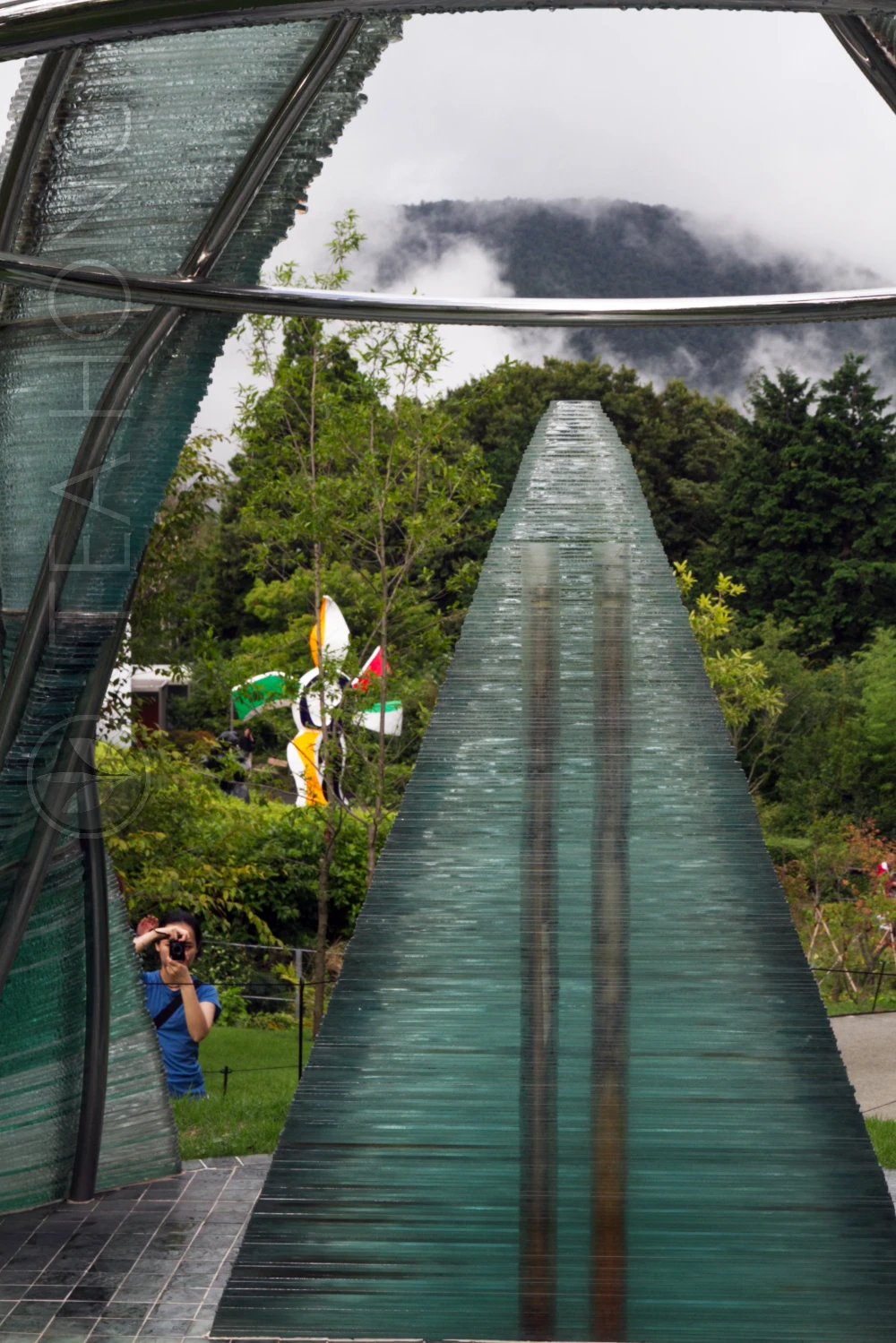
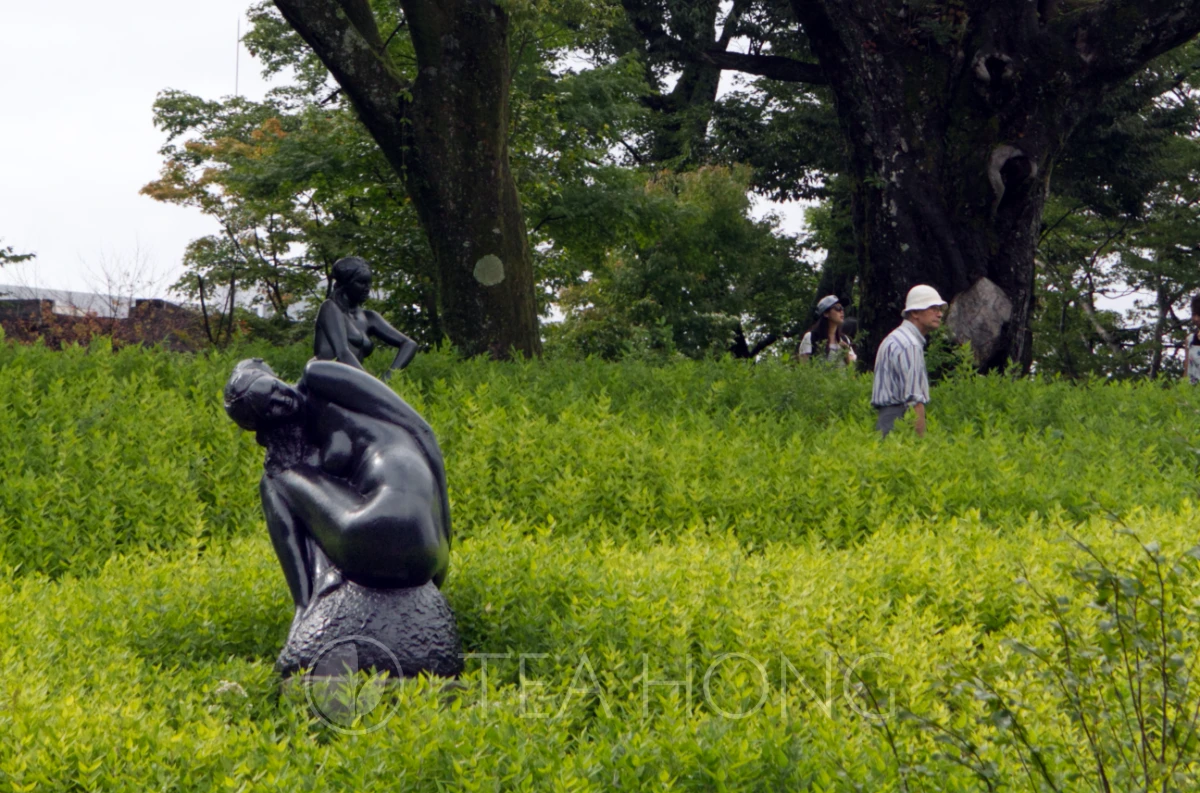
Oh, that afternoon 10 years ago after the strenuous climb? We had a wonderful afternoon at the Hakone Open Air Museum, a hidden gem and one of the best I have ever been as an artist myself, and for me, the main reason Hakone stands out from all the other hot bath resorts in Japan. All the remaining two days the rainstorm never stopped. I felt lucky we had tagged a bag of Honey Orchid in the luggage.
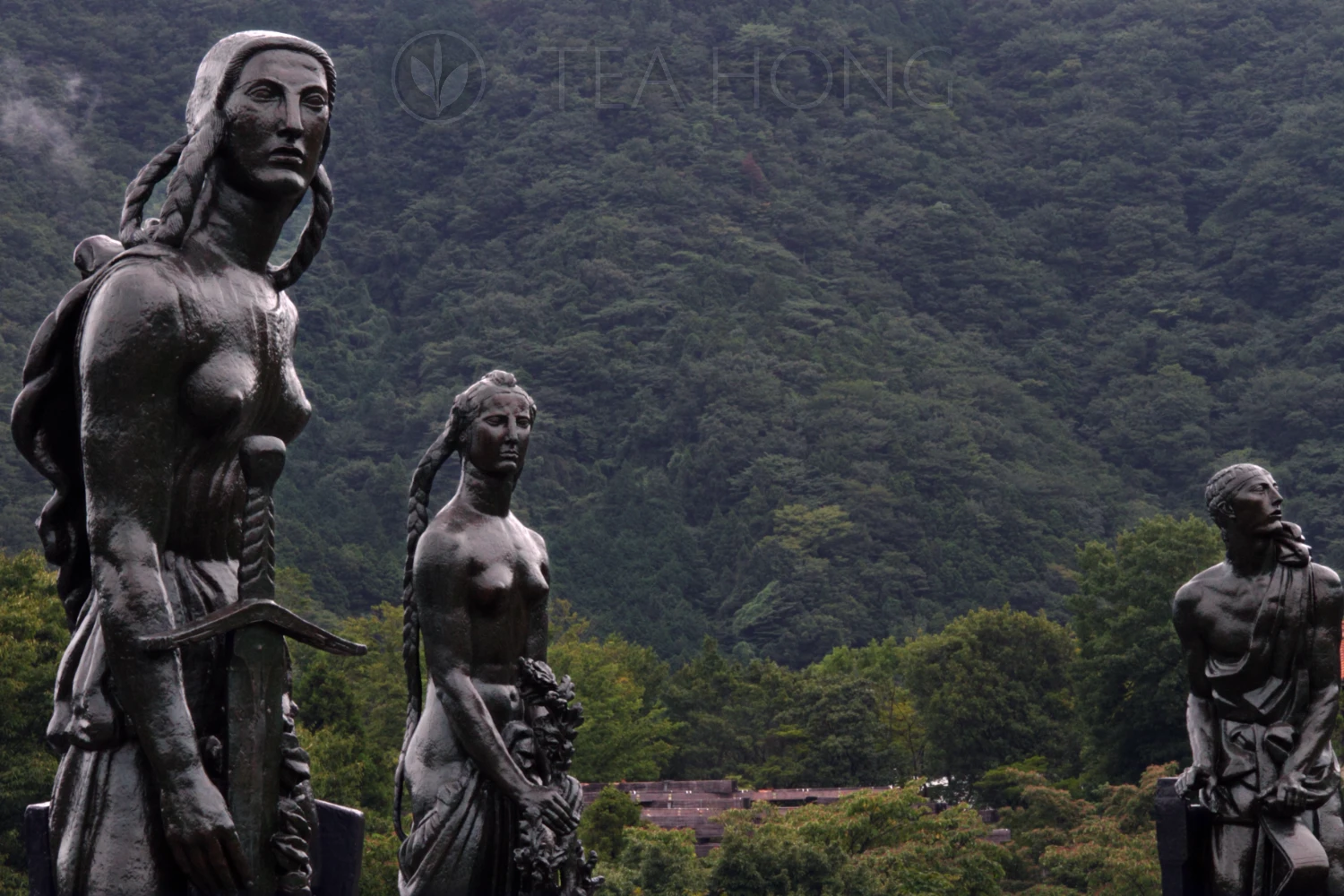
Some beautiful views of the Hakone Open Air Museum:
Comments (0)
Leave a reply
You must be logged in to post a comment.