

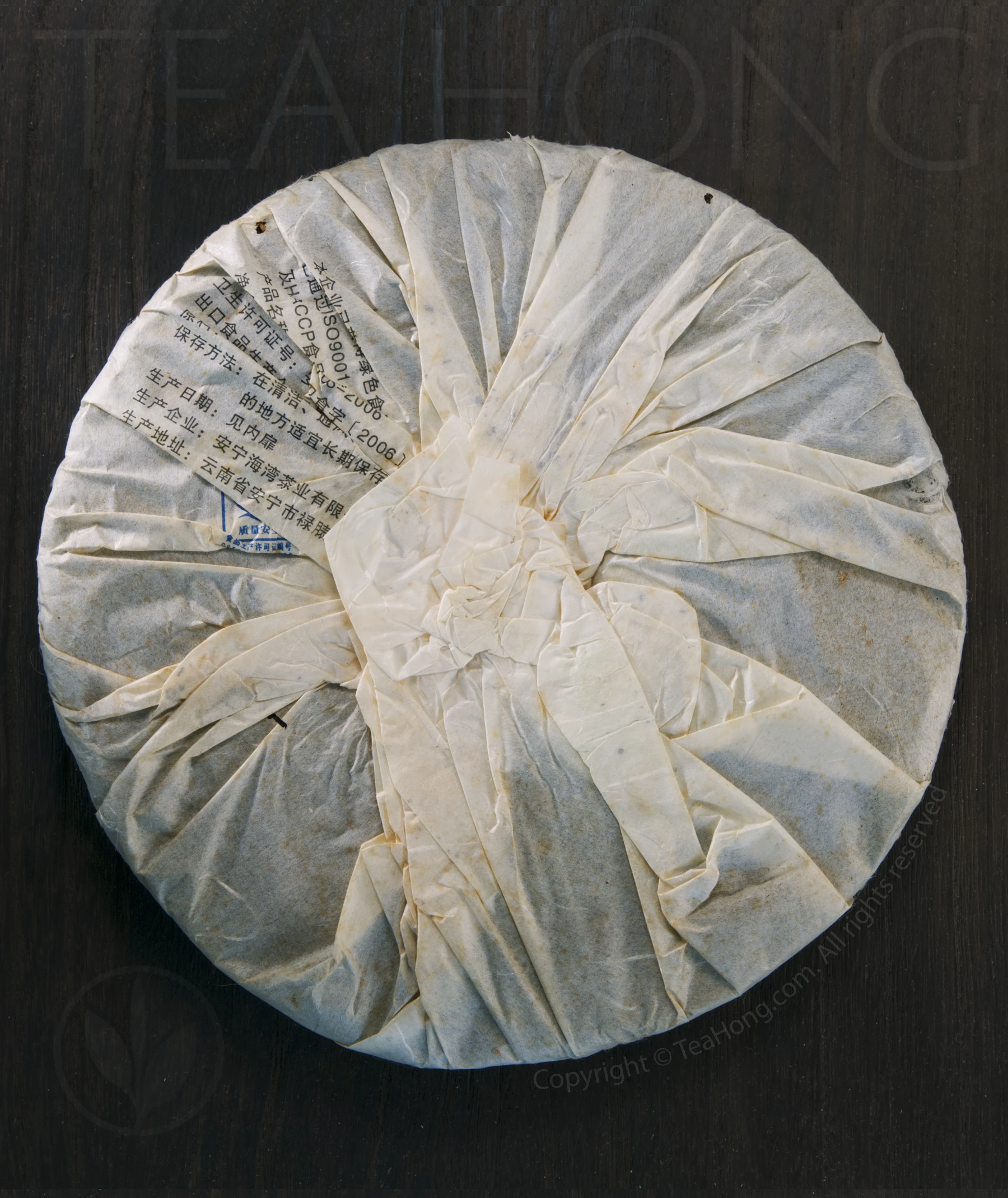
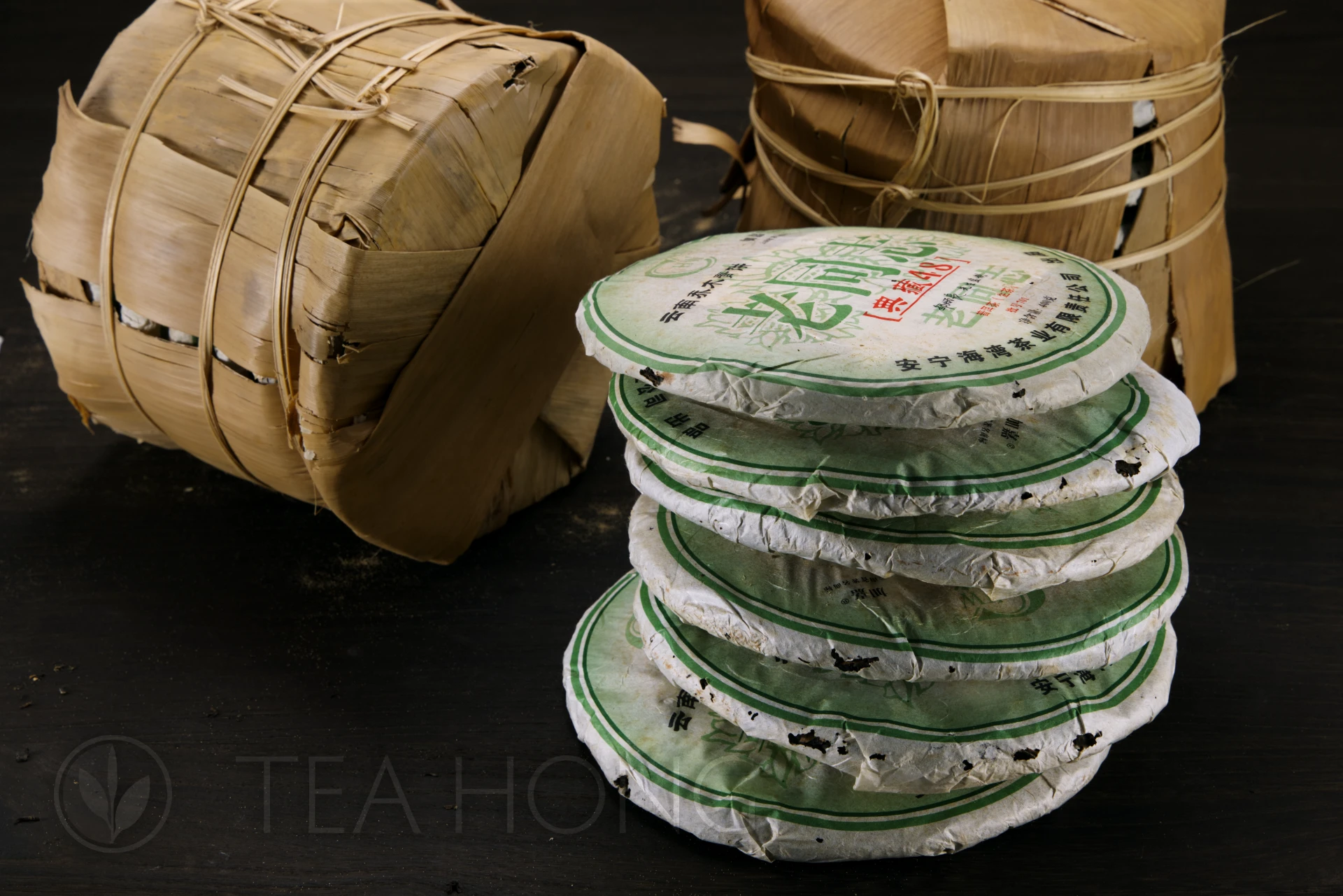
Old Comrade Classic Reserve “48” 2007, sheng Pu’er cha bing, 400g
US$90.0
excluding tax and tariff
老同志 [典藏 48] 喬木青餅
Arbor tea tree first flush shengcha
As mentioned in Old Comrade 7548, the idea of Master Zou Bing Liang’s range of numerically named series of Pu’er cha bings is to make quality more accessible by collecting leaves from lesser known “mountains” rather than from those highly sought origins*. This Classic Reserve 48 carries that same mission. This tea has been made unique by restricting the material to only spring harvested leaves from arbor type tea trees — those with a single big central trunk kind of trees. While scientists have yet to agree on the different taxonomy of the large number of visibly different type of tea trees there in the vast tea forests spread across the deep mountains in Yunnan, it is a known fact that leaves from these tea trees hold much higher contents of caffeine, carotenoids, flavonoids and other volatile compounds.
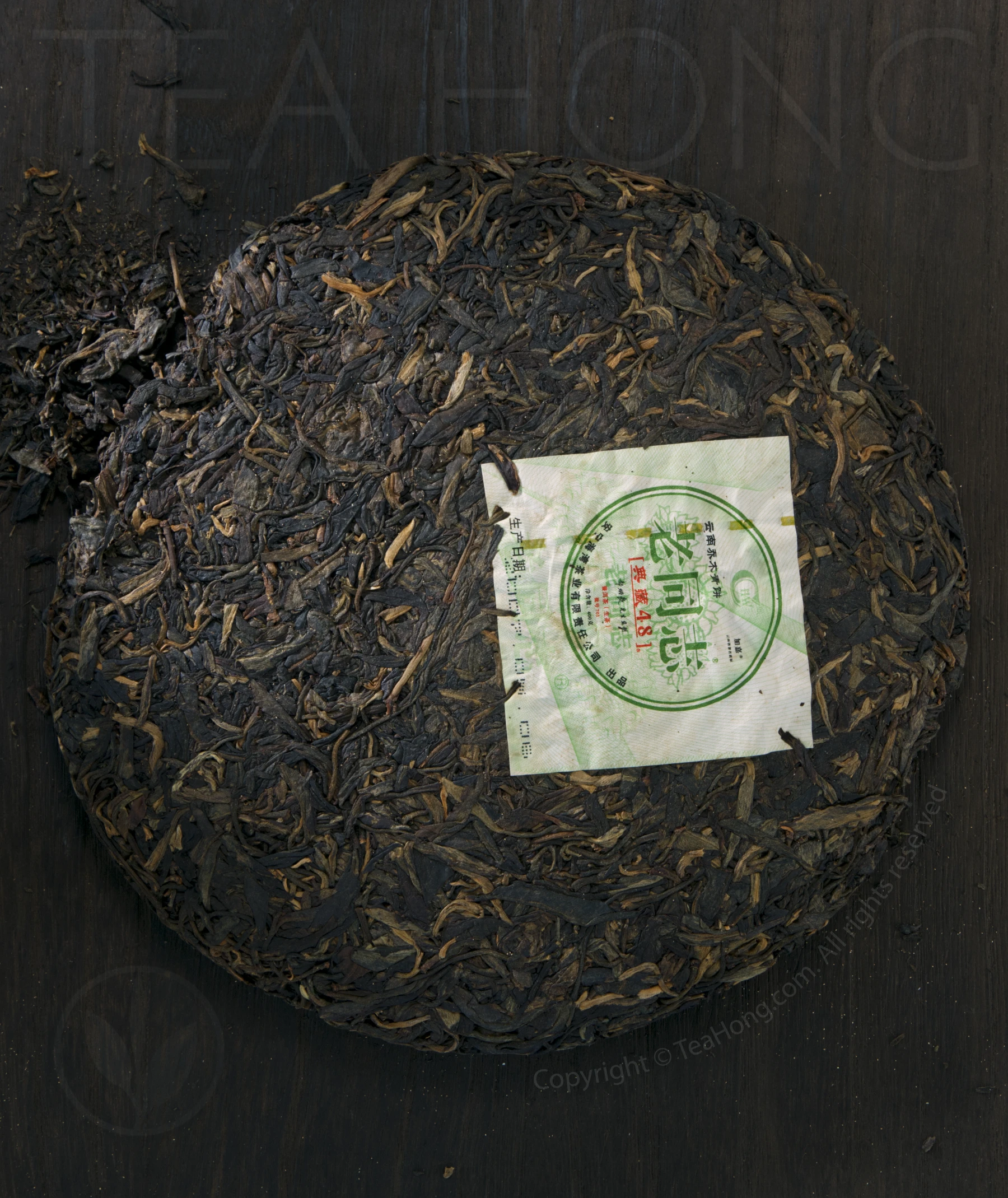
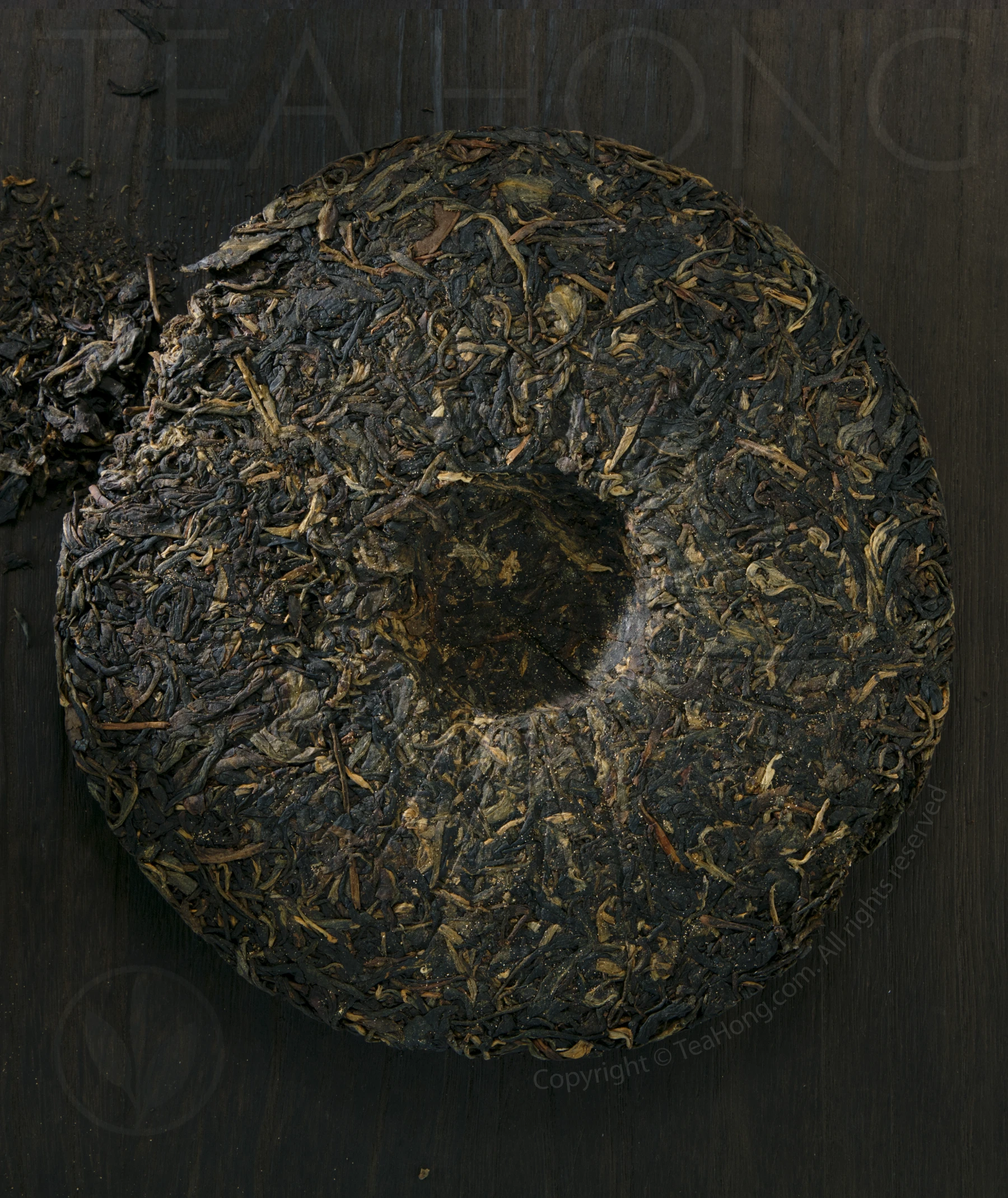
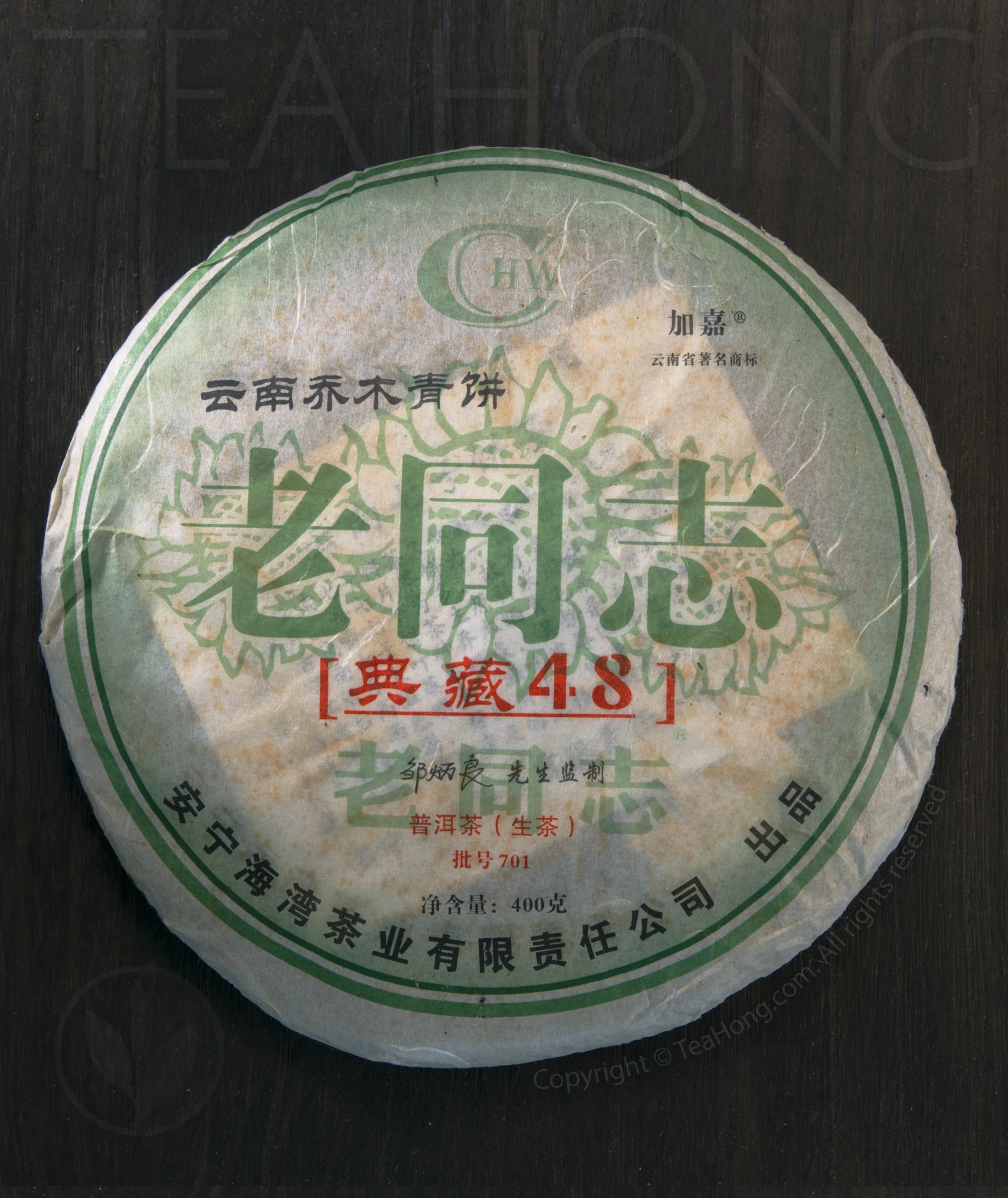
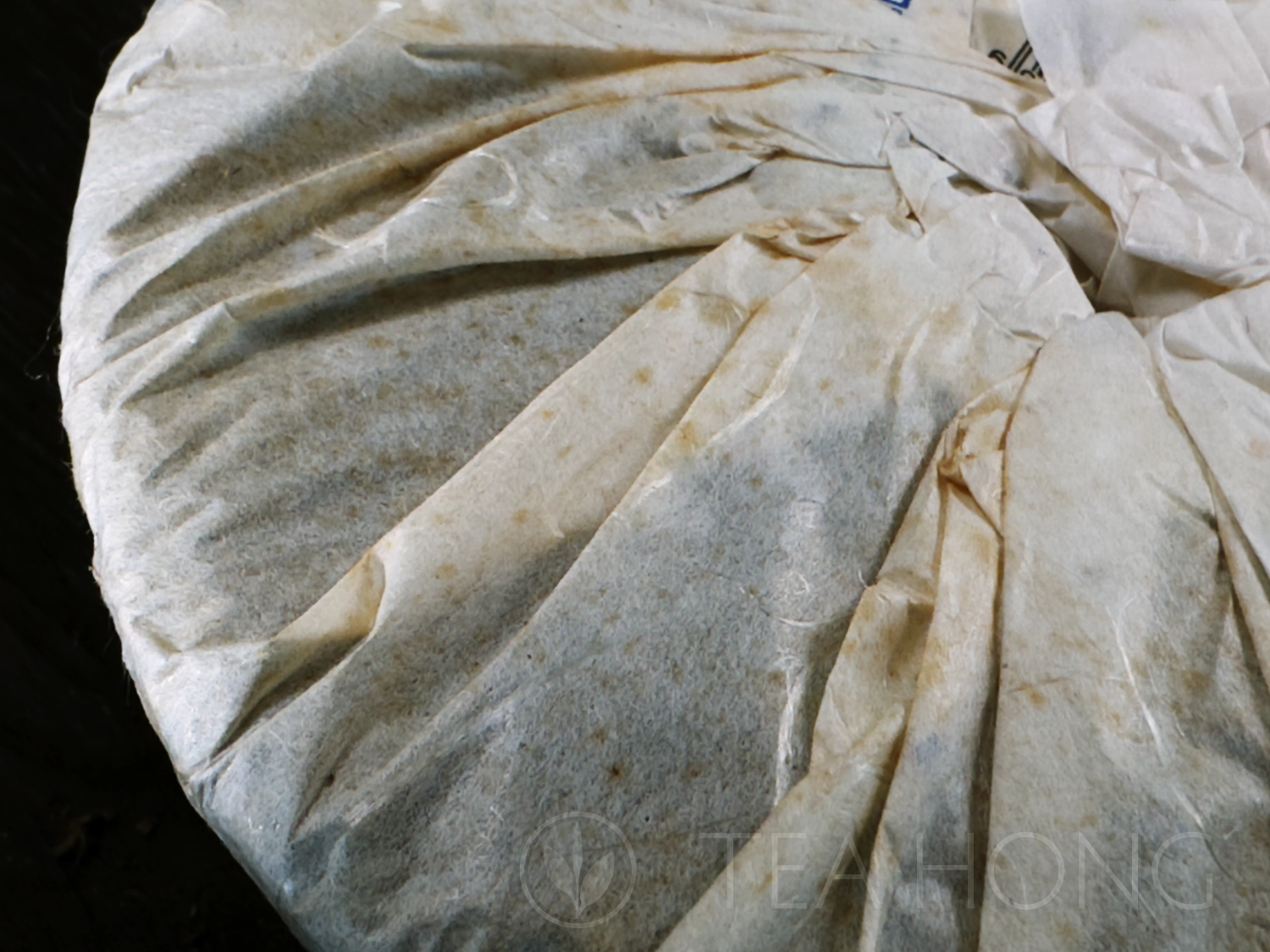
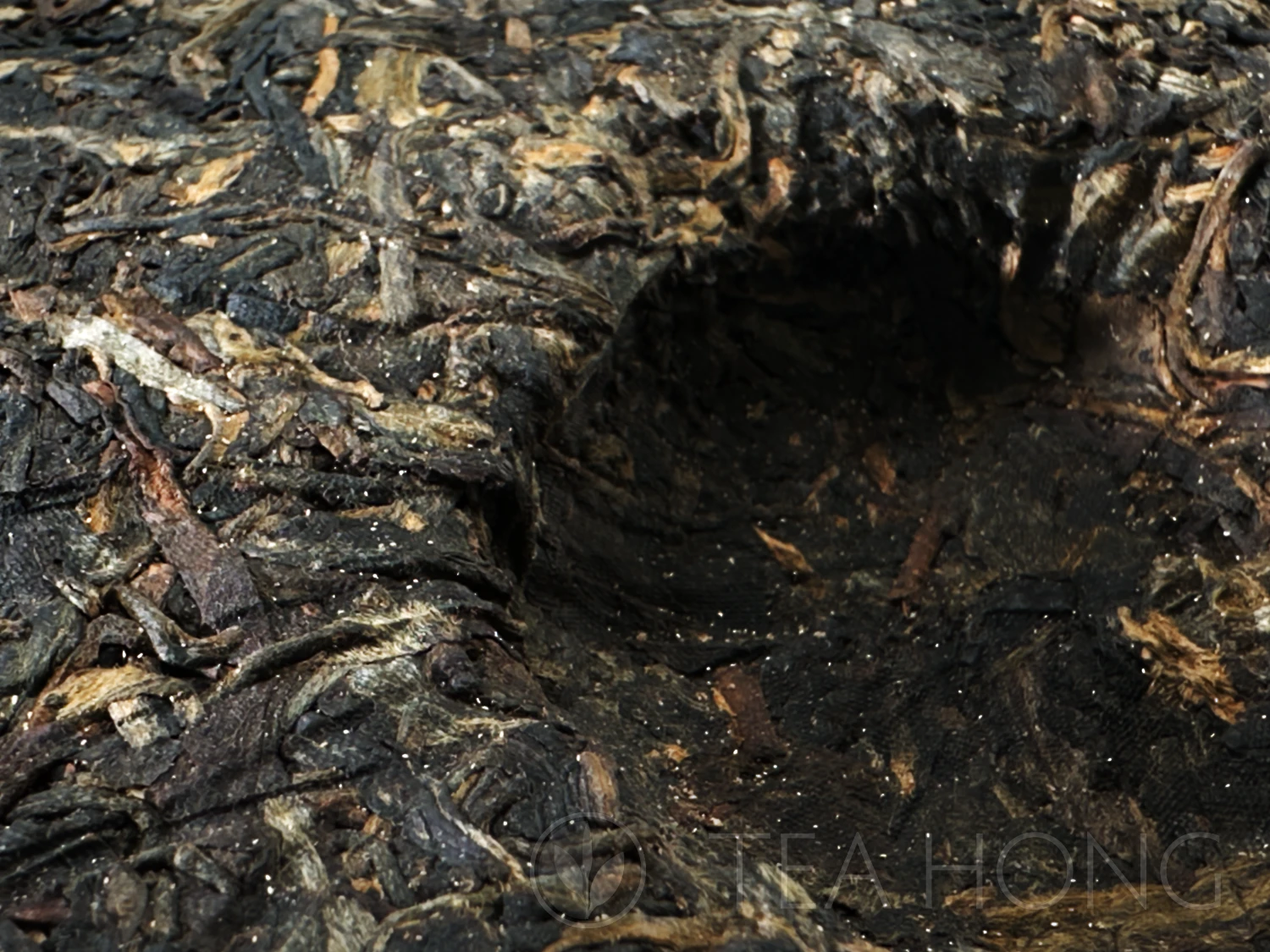
And you can tell. The first thing that may shock you when you unfold the old and worn wrapping paper to see those tiny white specks on the surface of the cha bing — crystals of caffeine. Partly due to the much higher contents of the compounds and partly because Hai Wan (the name of Master Zou’s tea factory) typically uses a hydraulic press set at 2 tons pressure to compress the cha bing. While it is much less obvious in other bings, the abundant caffeine surfaced through evaporation during the years of airtight storage, facilitate also by the high contents of other flavour materials.
You can taste the difference. This is the most wonderfully matured Pu’er we have to offer with an unparalleled richness. Following the same philosophy of the old master, we have priced it very accessibly*. Enjoy.


Net weight per discus: 400 g (14.1 oz)
In stock
Taste profile
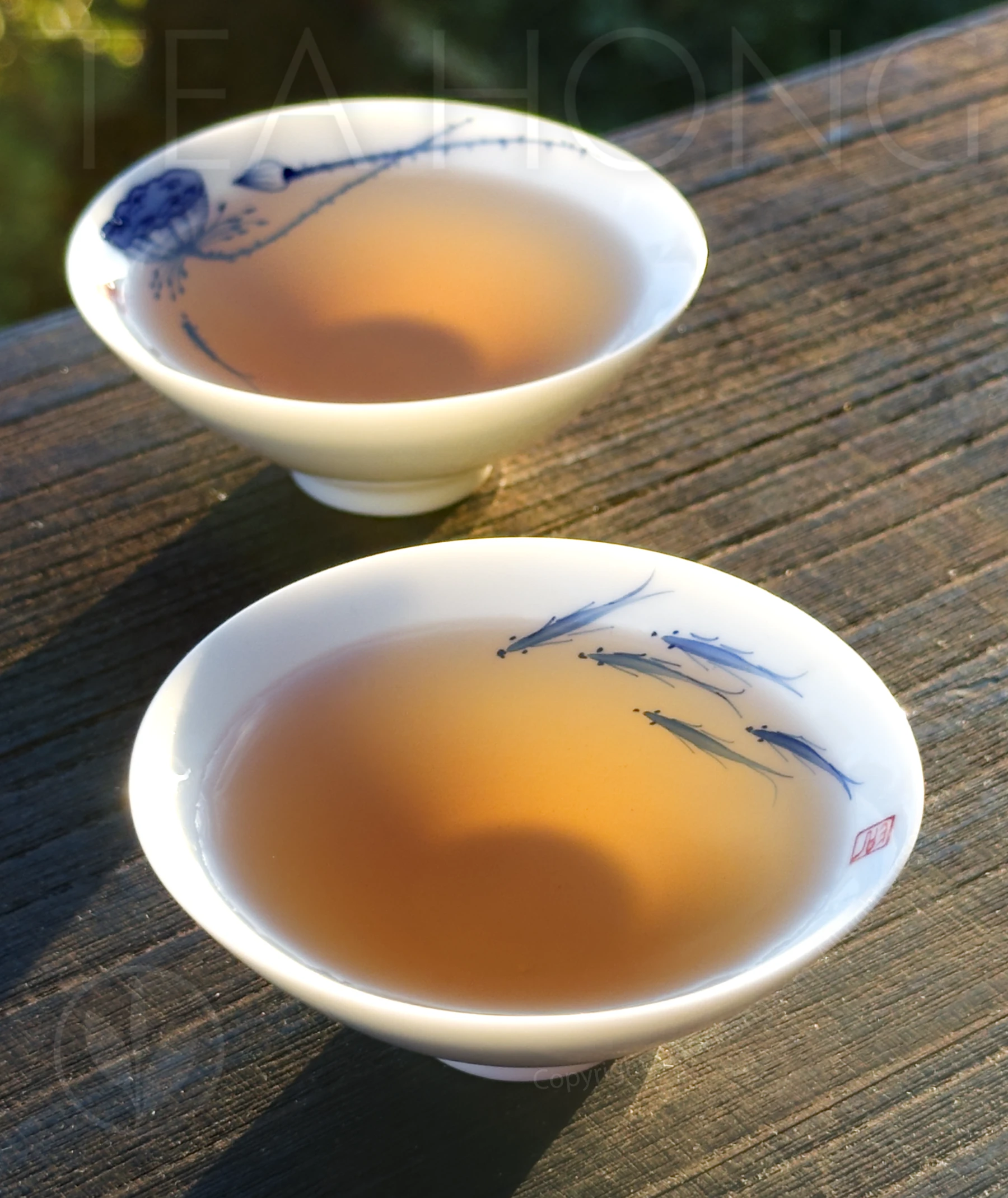
Nose: Round, upfront musky with accents of hardwood and dried lychee. Palate: Full, intense body that is both silky and round yet distinctly brisky. Smooth mouthfeel that is musky with tints of acids and tinkles of minerals. Hints of mint, American ginseng, and tints of hot spice in the herbaceous overtone. Finish: Strong “hui-gan” (afterward sweetness). The aftertaste becomes very prominent when the tea is infused to ample strength, bringing suggestions of ginseng, prune and other dried fruit and the spice lingering long with the cooling sensation and the hui-gan.
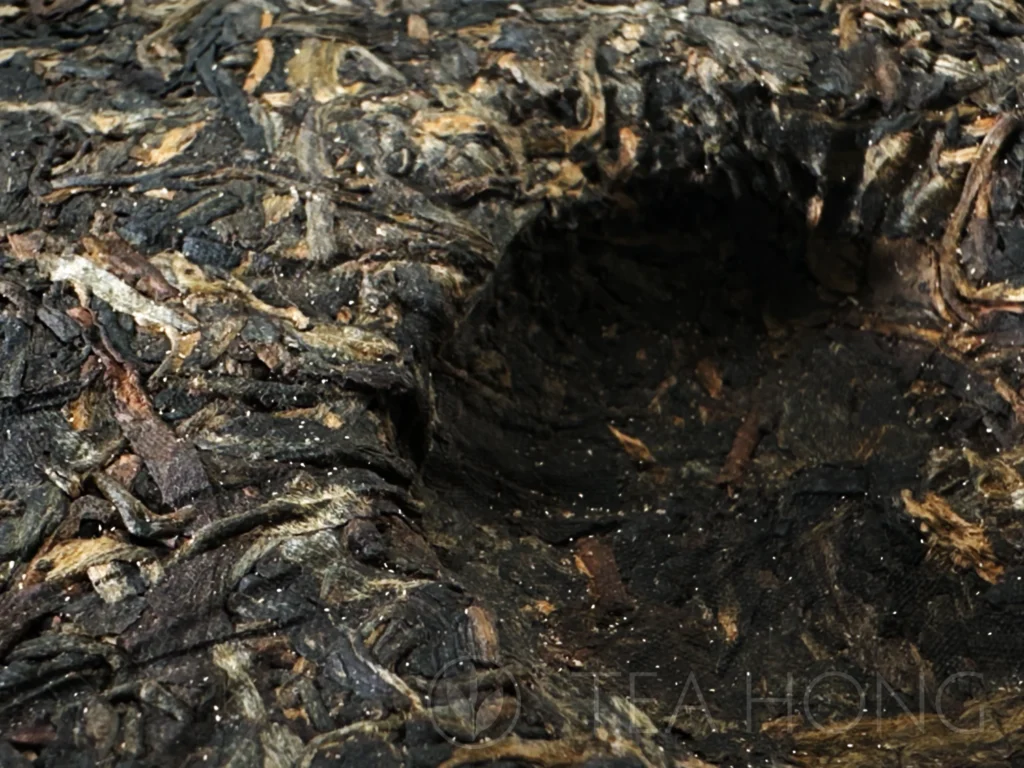
Notice the tiny specks of white crystals scattered on the surface of the cha bing. It is only when exceptionally high concentration of caffeine and flavones in spring flush of matured arbor type tea tree that have gone through extreme pressure during compression and then tightly wrapped in tight packaging during prolonged storage that such crystals are formed. Blanching to rid the excess caffeine (which dissolves most readily in water amongst all tea constituents) is therefore advised. Unless you need a really hard kick.
Infusion suggestion
If you are not used to preparing tea with a cha bing, please visit this article for more infusion guide on cha bing: How to brew a cha bing. With this particular selection, we do prefer to enjoy it a bit stronger with either more leaves or more brewing time. Do experiment to discover more about this tea and how you can relate to it.
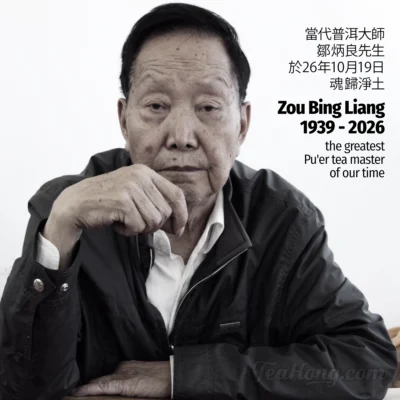
Old Mr Zou paused during a private conversation with me. April, 2014 The great master passed away on Oct 19, 2026
* note:
Master Zou
As we were preparing the tea for release, news about the passing away of the old master reached us. We have spent quite some days together with him and his family and have had some deep, meaningful discussion about production, history and realities of the market. His gentle manner and honesty will be well remembered and respected. That is all the more why we shall maintain the same principle of maintaining high quality tea at accessible price for all.
Numerical series
The tradition of numerically named cha bing products actually began even earlier than when Master Zou started his own tea production business — when he was working as the principal tea producer in the single most largest tea factory in Yunnan. When he was unwillingly forced to set up his own shop, he carried with him that tradition.
About market demand in famous origins of cha bing
There is a tradition amongst serious tea drinkers in populations of Chinese descents to pay more for Pu’er tea from certain “mountains” in Yunnan. While the horticultural environment, plant heritage and the production conditions do result in different qualities and certain rarity, in recent decades, speculative transactions plus the bad practice of false claims, marketing gimmicks and obnoxious propagation of myths have created unreasonable prices and a very confusing market. At Tea Hong, we do all we can to deliver true quality at honest price, not only in line with Master Zou Bing Liang, but also because this has been our mission since the beginning.
Accessibility
Because of the vast efforts needed to create this first ‘701’ batch, Hai Wan had decided to discontinue this product and employ the materials in other higher value ones. This Classic Reserve “48” is therefore impossible to find in the open market.
Additional information
| Shipping Weight | 600 g |
|---|---|
| Net weight: | |
| Tea category: | |
| Class: | |
| Recommendation: | |
| Origin: | |
| TCM character: | |
| Infusion color: | |
| Vintage |
 Old Comrade Classic Reserve “48” 2007, sheng Pu’er cha bing, 400g
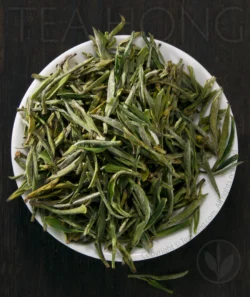
Huangshan Maofeng Supreme, traditional green tea, 40 g / 70 g
Cool Energy, Green teas, Huangshan & Anhui, Lighter Aromas, Milder Tastes, Tea黃山毛峰 明前嫰芽
Pre-Qingming Maofeng:
Huangshan (translate: Yellow Mountain) is an UNESCO World Heritage Site and a China national conservation. Besides beautiful sceneries, it is also the origin for many a fine teas, such as Huangshan Maofeng. The tender young leaf shoot to make Tea Hong's Huangshan Maofeng Supreme is always plucked with one or two tiny immediate leaves before Spring Equinoix, and always before Qing Ming. Always from the few small family tea farms in the high mountains that we buy from. It is a rare quality even in the market in Huangshan, and if you ever found it, would be at a much higher price. Working directly with producers is a principal at Tea Hong. While offering quality at a reasonable price is one immediate benefit that you as a consumer can enjoy, there are more important reasons and not so immediate results that we aim at. Your patronage means great support for our cause.


 Two pack options available, 40g or 70g net weight, please choose at below:
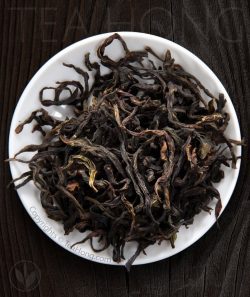
Honey Orchid Supreme, classic Phoenix dancong oolong, 40 g
Fenghuang | Phoenix, Floral Aromas, Fuller Bodies, Neutral Energy, Oolongs, Tea鳳凰極品 老樅蜜蘭香
Old Bush Milan Xiang:
For real aficionados who would not be satisfied until they have discovered a deeper depth, a rounder fullness and a more lingering sweetness, we’d go overboard to offer the extreme. Rarest small batches of leaves from special bushes individually processed only by top masters. Such as this supreme quality Milan Xiang Dancong. For those who demand more potential from the leaves for fulfilling their infusion skills. For thirsty souls seeking a moment of tranquility in the depth of the tinkling after-sweetness of Honey Orchid Supreme.


 Net weight: 40 g (1.4 oz) in Kraft-alu pack
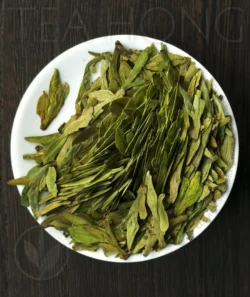
Longjing Traditional Supreme, hand-roasted green tea, 40 g / 70 g
Denser Aromas, Fuller Bodies, Green teas, Neutral-Cool Energy, Tea, Zhejiang經典極品 頭採杭州龍井
Mastery in wok-roasted green tea
The special taste profile of a classic Longjing demands not only a fine harvest from a genuine pedigree, but also the mastery of hand-roasting the leaves. To attain such a skill takes the willingness to endure years of hard practice*. On top of that, a fine Longjing is perhaps the most sought after tea in its native market that is China, and there are people there that are willing to pay thousands for half a kilo of this tea. As a result, good roasting masters are in high demand. A good master producing with top quality harvests is even more rare. To secure a genuinely high quality is therefore a very challenging task. More so at the accessible price we are offering at. Tea Hong's Longjing Traditional Supreme is a proud representation of the best quality of this precious craft, a taste that would have won nobles and mandarins in their tea competition, and when the Qing Emperor Qianlong was still young and flamboyant, and crazy about this tea. Two pack sizes available: 40 g (1.4 oz) and 70 g (2.5 oz) Please check an option below:

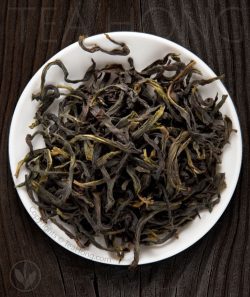
Orchid Literati, Phoenix dancong oolong, 40 g
Cool Energy, Fenghuang | Phoenix, Floral Aromas, Fuller Bodies, Oolongs, Tea鳳凰春茶、鴨屎香單欉
the genuine Duck Poo Tea
As a person continues to discover tea, sometimes finding one with subtle and yet complex fineness seems a lot more exciting than one with strong impressions. That is how we feel when we got hold of this. The locals aptly name it “Cao-lan” (Cymbidium goeringii), the rare orchid which ancient Chinese literati had revered for millenniums for its understated beauty and fragrance*. The long, sweet yet subtle taste and aftertaste of this tea echos the sentiments for the civilized persistence for humanity virtues of the classic eras. If you enjoy our Eight Immortals, Orchid Literati will take you to another level.
Net weight: 40 g (1.4 oz) in Kraft-alu pack
Reviews
There are no reviews yet