


Tieguanyin Classic, deep baked oolong, 120 g
US$27.0
陳年 竹籮碳火 慢焙鐵觀音
Bamboo basket charcoal rebaked
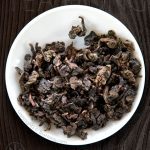
We have matured this special batch of tieguanyin for long enough before double baking it the traditional way in a bamboo basket with charcoal ash. To attain an ideal result from this traditional practice requires proper conditioning and in-depth know how. Tieguanyin Classic is one of Tea Hong’s best value oolongs. Enjoy the warm, soothing aroma as hot water touches the leaves. Then the characteristic tastes of a classic tieguanyin delivered in a round, smooth body with a unique sweetness.
This tea is also available in a small portion as a part of Tea Taster’s Box: Nine Oolong Samplers.


Net weight: 120 g (4.2 oz) in Kraft-alu pack
In stock

Taste profile
Nose: Deep, woodsy sweet aroma with a sweet spice accent with tones of dates and plum. Palate: Soft, round body brightened with notes of plum and citrus peels. Biscuity undertones hinting red dates, Chinese licorice and berries. Finish: Sweet aftertaste.
Infusion tips
The resultant taste profile of the liquor can greatly vary dependent on the duration of infusion (steeping) as much as water temperature and tealeaves to water ratio. How long the cup is rested also brings significant difference to the palate. This tea is great fun to play with for various skill practices. As always with matured tea, give it a good blanche or even two before actual infusion.
Additional information
| Shipping Weight | 130 g |
|---|---|
| Dimensions | 18 × 9 × 5 cm |
| Net weight: | |
| Tea category: | |
| Class: | |
| Recommendation: | |
| Origin: | |
| TCM character: | |
| Packaging: | |
| Infusion color: | |
| Vintage |
3 reviews for Tieguanyin Classic, deep baked oolong, 120 g
 Tieguanyin Classic, deep baked oolong, 120 g
White Peony Zhenghe, traditional white tea, 40 g
Tea, White teas, Minnan/ Mindong, Fujian, Lighter Aromas, Milder Tastes, Neutral-Cool Energy精選、政和白牡丹
Browner Style Zhenghe Dabai:
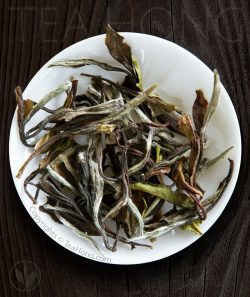
Those who prefer white tea as their daily drink but want a bit more stimulations in taste, White Peony from Zhenghe is a great choice. It is air withered for a longer duration from one of the two classic cultivars, Zhenghe Dabai. The resultant tea tastes slightly sharper and longer than white teas produced from the other classic, Fuding Dabai. White Peony Zhenghe is a fine tea that is most affordably priced.
 Net weight: 40 g (1.4 oz) in wide Kraft-alu pack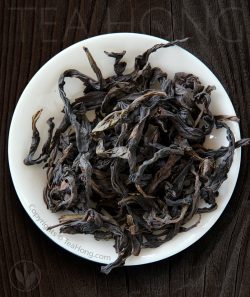
Narcissus Classic, Wuyi yancha oolong, 40 g
Tea, Oolongs, Wuyi-shan, Denser Aromas, Fuller Bodies, Warm Energy武夷、正岩水仙
Dark Rock Shuixian:
This tea may have the same name as some low quality tea used in dimsum restaurants but it certainly tastes differently. It is the ORIGINAL Shuixian, the famous oolong that grows on dark rock cliffs in the depth of Wuyi Mountains. Narcissus Classic, like most other deeper baked oolongs, goes well with a wide range of cuisines and desserts and is a great digestive. Also an adaptable tea for preparation with other ingredients, such as ginger and raw sugar, and a safer tea for the weaker stomach.

 Net weight: 40 g (1.4 oz) in Kraft-alu pack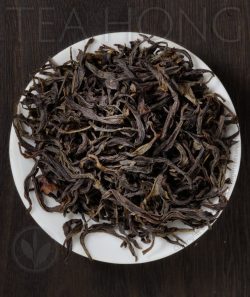
Song Cultivar, Phoenix dancong oolong, 40 g
Tea, Oolongs, Fenghuang | Phoenix, Floral Aromas, Fuller Bodies, Cool Energy鳳凰單欉、烏崠宋種黃橘香(黃枝香)
Huangzhi Xiang Dancong:
Song pedigree tea cultivar Huangzhi Xiang distinguishes itself from others of the same name not only by its living ancestor that has been carbon-dated back to the 13th century (late Song), but also by the elegantly complex taste and aroma of the tea it yields. That is why it is the most revered of all Phoenix oolong in its own origin and at the nearby Gongfu Tea Capital of the World — Chaozhou.

 Net weight: 40 g (1.4 oz) in Kraft-alu pack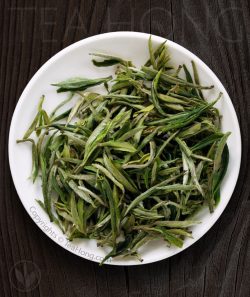
Huangshan Maofeng Supreme, traditional green tea, 40 g / 70 g
Tea, Green teas, Huangshan & Anhui, Lighter Aromas, Milder Tastes, Cool Energy黃山毛峰 明前嫰芽
Pre-Qingming Maofeng:
Huangshan (translate: Yellow Mountain) is an UNESCO World Heritage Site and a China national conservation. Besides beautiful sceneries, it is also the origin for many a fine teas, such as Huangshan Maofeng. The tender young leaf shoot to make Tea Hong's Huangshan Maofeng Supreme is always plucked with one or two tiny immediate leaves before Spring Equinoix, and always before Qing Ming. Always from the few small family tea farms in the high mountains that we buy from. It is a rare quality even in the market in Huangshan, and if you ever found it, would be at a much higher price. Working directly with producers is a principal at Tea Hong. While offering quality at a reasonable price is one immediate benefit that you as a consumer can enjoy, there are more important reasons and not so immediate results that we aim at. Your patronage means great support for our cause.
 Two pack options available, 40g or 70g net weight, please choose at below:
This is a good example of baked Tieguanyin, it’s got good firing techniques coupled with good leaf material, and it’s pretty flexible in terms of how it can be brewed up. It always creates a deeply enjoyable cup of tea in the handful of times I’ve brewed it so far. This tea is going to be awesome in the fall and winter time – but even during the cooler days of the hot summer, which I’m in right now, it’s proven to be quite refreshing.
I enjoy the way the soft floral and stronger fruity notes come to the forefront of the palate with each progressive sip, gently being supported by the clear notes of charcoal without ever becoming smothered by them. The baking accents the flavor profile and adds an interesting depth by bringing out a kind of fruity sweetness that is usually obliterated when the firing is taken too far… which is quite often, unfortunately.
Anybody can burn a batch of tea leaves, either at too high a temperature or for too long, or perhaps even a combination of both – and call it a “high roast”, but this takes no skill to achieve. What does take skill to achieve, is a proper firing that elevates the inherent qualities of the tea leaf being processed. There are molecular changes to the constituents of the leaf that are induced by good firing techniques, and these are what create depth in sweetness and distinct accents in the floral and fruity layers of the flavor profiles, which is what I find in this Tieguanyin Classic.
It’s nice to see an example of proper firing techniques in something priced superbly well for daily drinking. If you’re looking for a roasted Tieguanyin as your daily-drinker, this is a great choice.
The leaf quality is fantastic, as these little nuggets unfurl slowly across both gong-fu and Western-style infusions, and across a wide temperature range, they are uniform and have some stoutness to them even after taking a long bath in water fresh off a rolling boil. They hold their composure well and resist turning bitter. Even as the cup cools, the tea remains crisp and clear in its flavor profile.
The Whiz Kid
I was told that it is not an easy tea to prepare nor to appreciate, so I was a little anxious when opening it.
I choose to brew it with a low leave to water ratio and it immediately appeared that the real complexity of the tea is that it can offer a wide range of tastes.
In these conditions, this tea develops very sweet and gentle taste of plum and date, brilliantly balanced by the woodsy aromas from the baking process.
I am eager to prepare it again with other parameters, I am already amazed by its the wide range of possibilities.
To summarize, to me this tea is not the wild child I expected but a more a whiz kid who can show you tons of wonderful tastes if you can guide him.
Thanks to all Tea Hong staff for this great discovery!
( A paragraph is edited out for a discussion about another customer’s comment. Detail discussions are more suitable when carried out in forums, such as the one in TeaGuardian.com — note by Tea Hong )
Karen Ager
We enjoyed this classic oolong with a spicy lunch today. The dry, bumpy nuggets are pungent and pleasant to look at. I used a black clay yixing gaiwan for this selection but didn’t detect much aroma after three shakes of the dry tea in the heated bowl. That all changed the very second the hot water hit it. This tea was generous in releasing its complex baked aroma. Very pleasant. The first steeping was a quick one. Lovely flavor on the front of the palate in into the nose. Earthy with a hint of black peppercorn yet mellow as the name implies. The second steeping I left sitting too long (or so I thought). It was strong but only in the most pleasant way. We did a few more steepings and the nuggets opened up into what look like rolling waves on a black ocean. The texture lets you know you are drinking a substantial tea. I don’t think this is the type of tea that can be steeped all day, though, as it gives off its flavor quickly. On the other hand, I will steep a few more infusions, let them sit longer, and see what surprises await. In my opinion this is a great tea to accompany meals.