

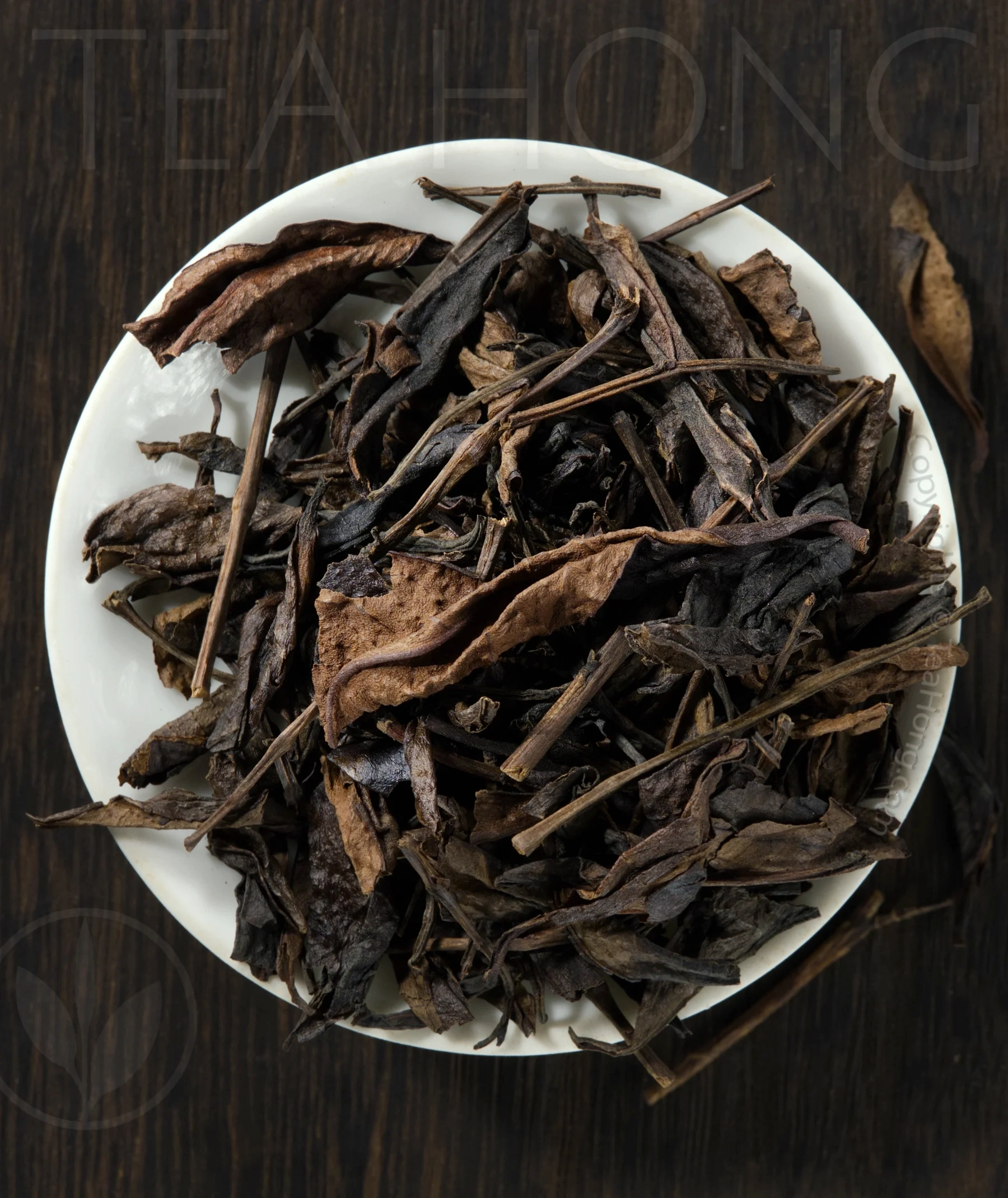
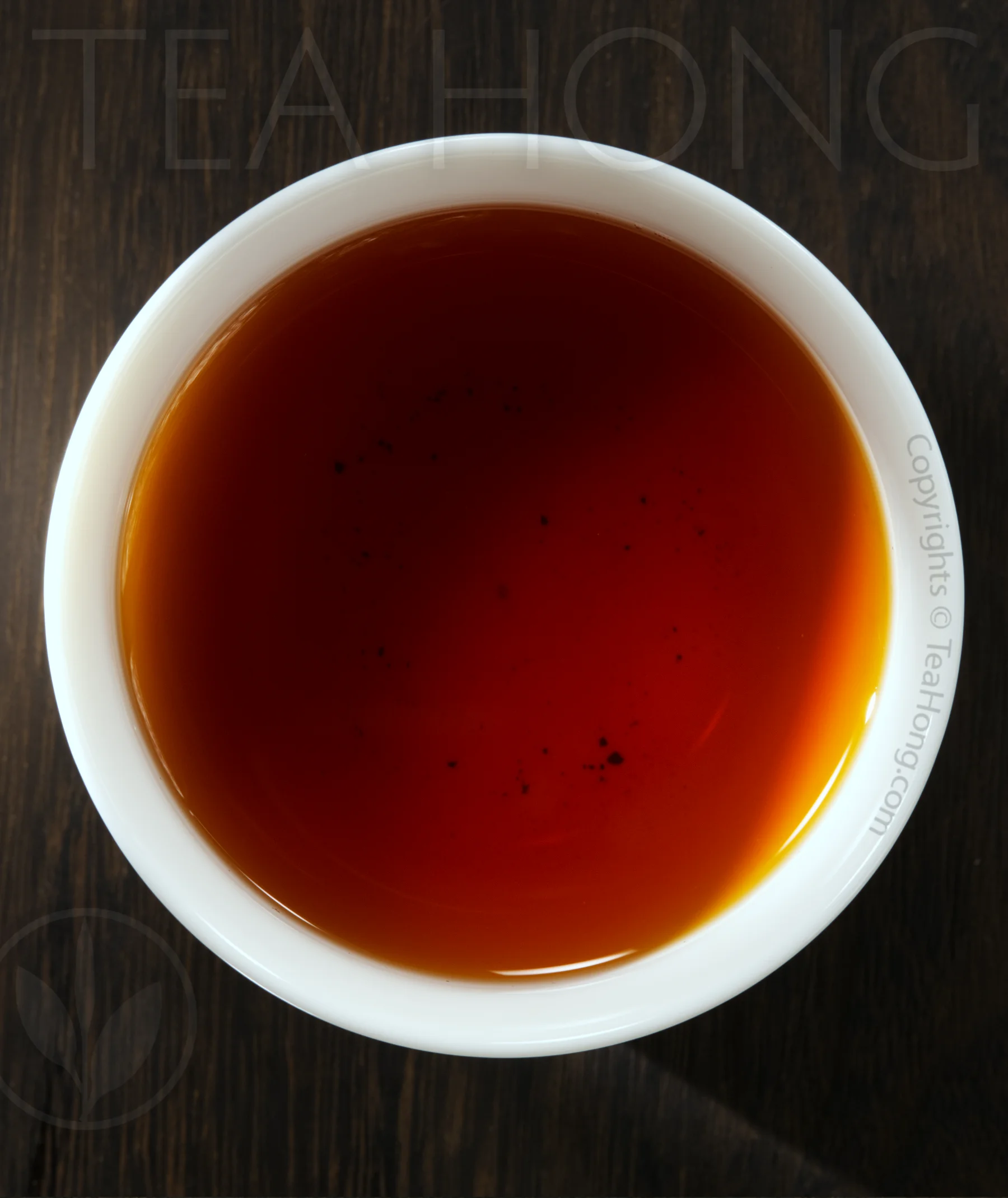
Phoenix Petioles 1988, matured leaf stalk oolong, 40 g
US$20.1
私藏 陳年鳳凰莖茶
Phoenix tea farmers’ tea
In Phoenix, before a tea goes through the last round of baking to be ready for consumption, it is sorted manually to get rid of the leaf stalks (i.e. petioles), broken leaves, and other leaves that are not as nicely rolled or processed as the others (aka Yu Ye). The producer retains such “refuse”, rebakes it and keep it for personal use or give it out to their neighbours and relatives. They call it cha tou or thê-tao in the local language, as in “Tea Head”*. Provided the right quality, the taste of thê-tao, despite their irregularity in appearance, is actually sweeter and softer than the leaf tea from the same plant and a lot more flexible and tolerant with brewing mistakes.
Presenting Tea Hong’s Phoenix Petioles 1988, a thê-tao collected between 1985 to 1988 by our top Phoenix producer.
Because of the decades long maturity given onto the tea, it exhibits a post-fermentation characteristics somewhat alike those of finer shu cha Pu’ers — earthy, woodsy, herbal and pacifyingly herbal sweet, combined with an underlying and unmistakable matured Phoenix undertone. A unique taste experience unlike anything else.


Net weight: 40 g (1.4 oz) in Kraft-alu pack
In stock

Taste profile
Nose: Earthy, complexly intricate herbal aroma with a sweet undertone. Tints of dried citrus peels and fresh cut wood.
Palate: Soft, smooth body with notes of Pu’er shu cha as well as matured Pu’er sheng maocha, on an undertone of matured and rebaked Phoenix oolong with sweet herbal accents.
Finish: Cooling, refreshing, quenching aftertaste.
Infusion tips
This tea is very tolerant of irregularities in infusion parameters. It is therefore a good choice for situations when attention to brewing cannot be maintained. Simply add water when you find the liquor in the teapot too strong. It is rather like a Pu’er shu cha in this regards. That said, it is quite pleasurable to enjoy it even when infusing to an extra strength.
Do blanch the leaves at least once before actual infusion. Better twice. Unlike in the kukicha where the twigs are pretty cut up, those in this tea are generally quite complete, and therefore will need longer time to get the contents steeped into the water.
We consider the standard long infusion time of 6 minutes using 2g for each 100ml water works very well. The 5g for each 100ml water for 1 minute using a smaller vessel delivers fantastic result as well. We prefer using near boiling water in either way.
You can also consider breaking the leaves and stalks and put them into an infuser or infusion bag to make a teabag. This way the infusion time needed can be greatly reduced and can render more taste in situation when the water temperature is not as ideal. Do break them down only before use to reduce unwanted oxidation on the leaves that will dramatically affect the quality and taste.
Notes:
Leaf stalk tea offers a taste unlike that of the leaf tea, simply because of a different biochemistry in the petiole compared with the leaf blade. The structure is a superhighway as well as a governing pivotal point between the plant and the leaf. Its makeup is vital to the plant’s healthy existence and is therefore created with a complex structure created with a host of materials, despite the deceivingly simple appearance. In recent years the medical science community are beginning to notice such teas and a few researches are done with encouraging results.
In fact, teas made from the tea leaf stalks exist in many other categories outside of Phoenix oolongs.
For example in Japan, there is kukicha, where the sorted out leaf stalks are blended with leaf tea for a different taste. There is a huge population of fans for different types of kukicha. In Old Hong Kong, there was Luk On Kwaat, which was made from the leaf stalks picked out from the half finished Tieguanyin sent from China, rebaked and aged to market as a kind of Pu’er tea.
Recently we have seen on the web that there are poorly processed Phoenix oolongs sold in the name cha tou. Regardless of how a product is called, it is the quality of the original production that counts.
The term cha tou originates from a southern Chinese language, Cantonese, from the daily term “tau tau mei mei” (頭頭尾尾). It is an old expression referring to odds and ends of things. Since Canton and later Hong Kong (where Cantonese is the major language as well) has been the major tea trading centres for centuries, quite a few specific terms have grown from this language. Although the major local dialect in Chaozhou (where Phoenix is) is Thiê-ziu, where the same term is pronounced as “thê-tao”. Because of the geographic proximity and close trade relationship through centuries, many terms used in two languages are very similar, only different in the phonetics.
Additional information
| Shipping Weight | 90 g |
|---|---|
| Dimensions | 18 × 9 × 5 cm |
| Net weight: | |
| Tea category: | |
| Class: | |
| Recommendation: | |
| Origin: | |
| TCM character: | |
| Packaging: | |
| Infusion color: | |
| Vintage |
1 review for Phoenix Petioles 1988, matured leaf stalk oolong, 40 g
 Phoenix Petioles 1988, matured leaf stalk oolong, 40 g
Narcissus Classic, Wuyi yancha oolong, 40 g
Tea, Oolongs, Wuyi-shan, Denser Aromas, Fuller Bodies, Warm Energy武夷、正岩水仙
Dark Rock Shuixian:
This tea may have the same name as some low quality tea used in dimsum restaurants but it certainly tastes differently. It is the ORIGINAL Shuixian, the famous oolong that grows on dark rock cliffs in the depth of Wuyi Mountains. Narcissus Classic, like most other deeper baked oolongs, goes well with a wide range of cuisines and desserts and is a great digestive. Also an adaptable tea for preparation with other ingredients, such as ginger and raw sugar, and a safer tea for the weaker stomach.

 Net weight: 40 g (1.4 oz) in Kraft-alu pack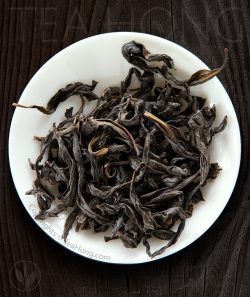
Red Cloak Grande, Wuyi yancha oolong, 40 g
Tea, Oolongs, Wuyi-shan, Denser Aromas, Fuller Bodies, Warm Energy武夷百年老樅、正品大紅袍
Centenary Bush Dahong Pao:
The most revered amongst all Wuyi oolongs, Da Hongpao (translate: Big Red Cloak) from the pure pedigree grown in better horticultural environment mean significant difference and are most sought after. Tea Hong’s Red Cloak Grande is an extremely limited production (10 kg/year) harvested from two second generation noble breed that are over 100 yrs old in the heights of Wuyi. Masterfully processed to best deliver the taste this name represents. The current 2023 batch was not only the best harvest we have seen, but also optimally baked to our liking, and matured under our environment for an even deeper and more enjoyable profile.

 Net weight: 40 g (1.4 oz) in Kraft-alu pack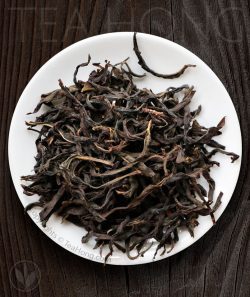
Orchid Gratus, Phoenix dancong oolong, 40 g
Tea, Oolongs, Fenghuang | Phoenix, Floral Aromas, Fuller Bodies, Neutral Energy烏崠 鋸朵仔 ( 杏仁香單欉 )
Wudong Xingren Xiang
For people who like classic style Phoenix but desire something more mellow than Honey Orchid, Orchid Gratus offers a taste that is as full-bodied. It is balanced with as subtle a warm and slightly sweet aroma. Not only is this a great choice for the veteran tea connoisseur who seeks peace in the cup, but is also a bridge between softer oolongs and the more vibrant world of taste in Fenghuang Dancong.


 Net weight: 40 g (1.4 oz) in Kraft-alu pack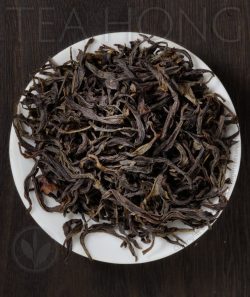
Song Cultivar, Phoenix dancong oolong, 40 g
Tea, Oolongs, Fenghuang | Phoenix, Floral Aromas, Fuller Bodies, Cool Energy鳳凰單欉、烏崠宋種黃橘香(黃枝香)
Huangzhi Xiang Dancong:
Song pedigree tea cultivar Huangzhi Xiang distinguishes itself from others of the same name not only by its living ancestor that has been carbon-dated back to the 13th century (late Song), but also by the elegantly complex taste and aroma of the tea it yields. That is why it is the most revered of all Phoenix oolong in its own origin and at the nearby Gongfu Tea Capital of the World — Chaozhou.
 Net weight: 40 g (1.4 oz) in Kraft-alu pack
While it lacks the typical floral aroma of a common phoenix, it is replaced by a savory scent reminiscent of TCM herbs like licorice. Despite being over 30 years old, the tea leaves and stems are smoothly well-preserved. It has the earthiness characteristic of aged oolong tea, yet a subtle sweetness can be detected. Interestingly, as you steep it multiple times, it gradually converges towards the typical characteristics of regular Phoenix: a bitter-sweetness with mouth-coating umami. Compared to other oolong teas from the 1980s, it’s quite affordable for its quality, thus I recommend it.
So happy that you recommend it. Thank you! Indeed, the tea has a character of its own but the more you explore it, its original nature as a Phoenix tea can become obvious, as you have so detailedly described.