

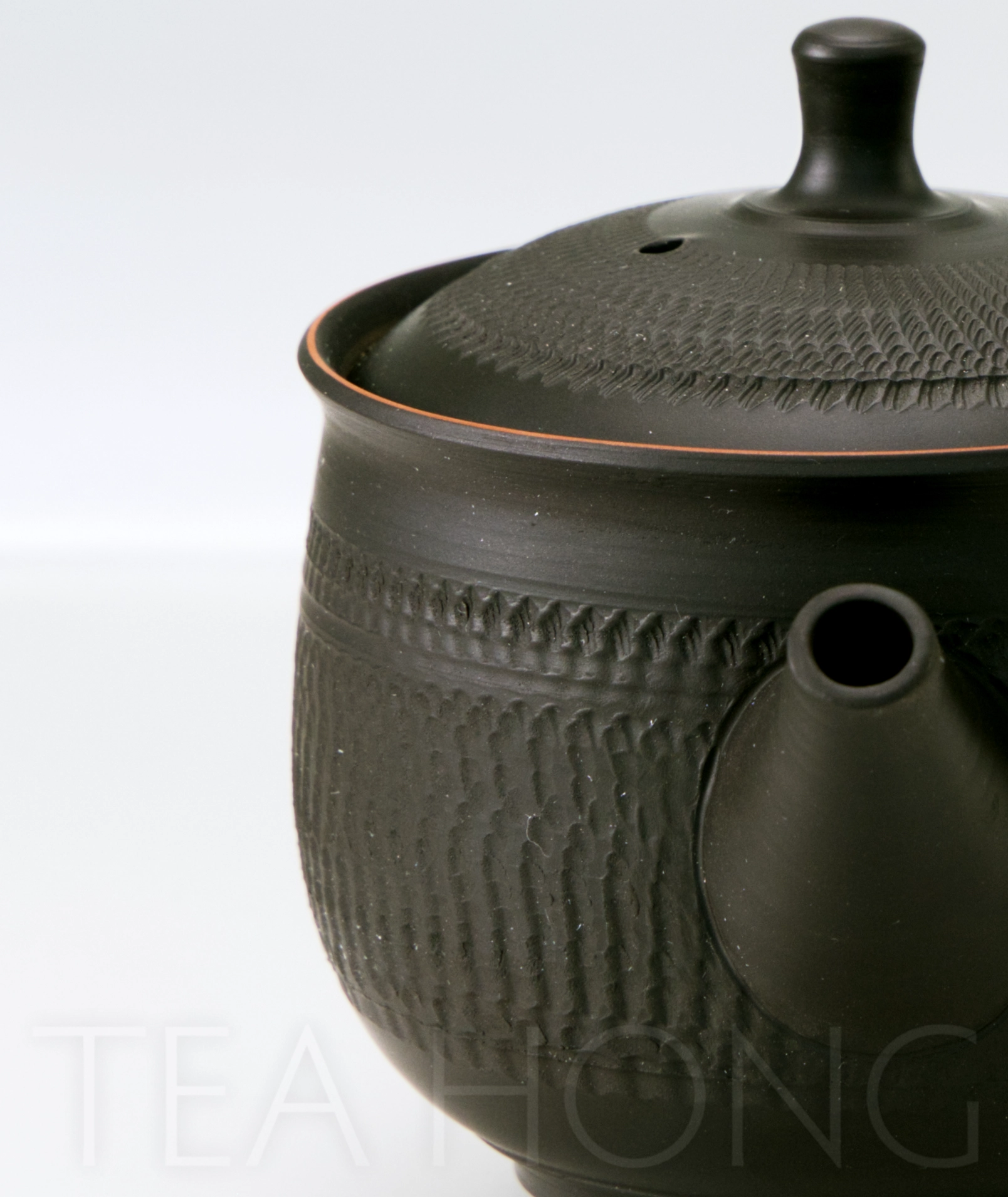
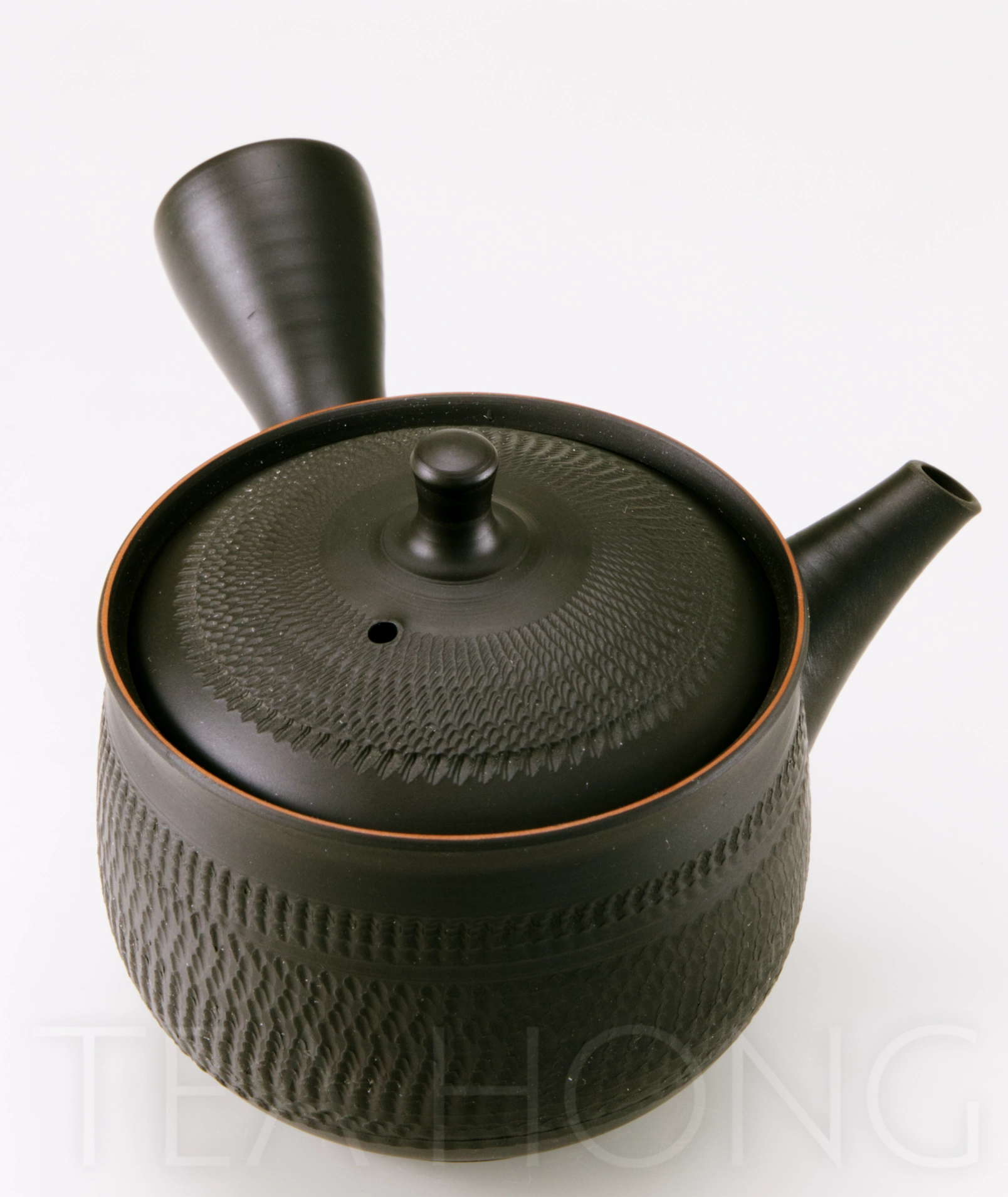
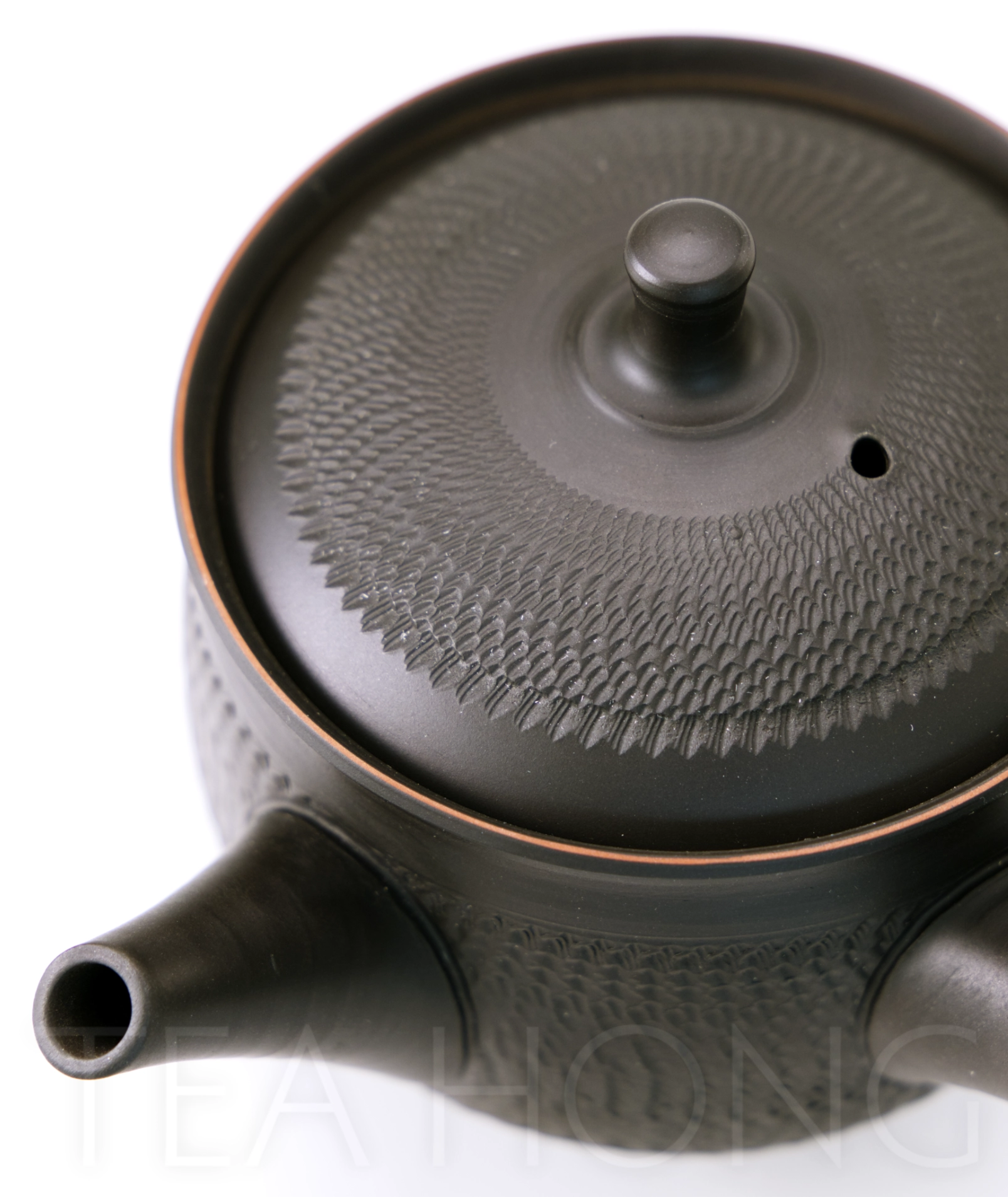
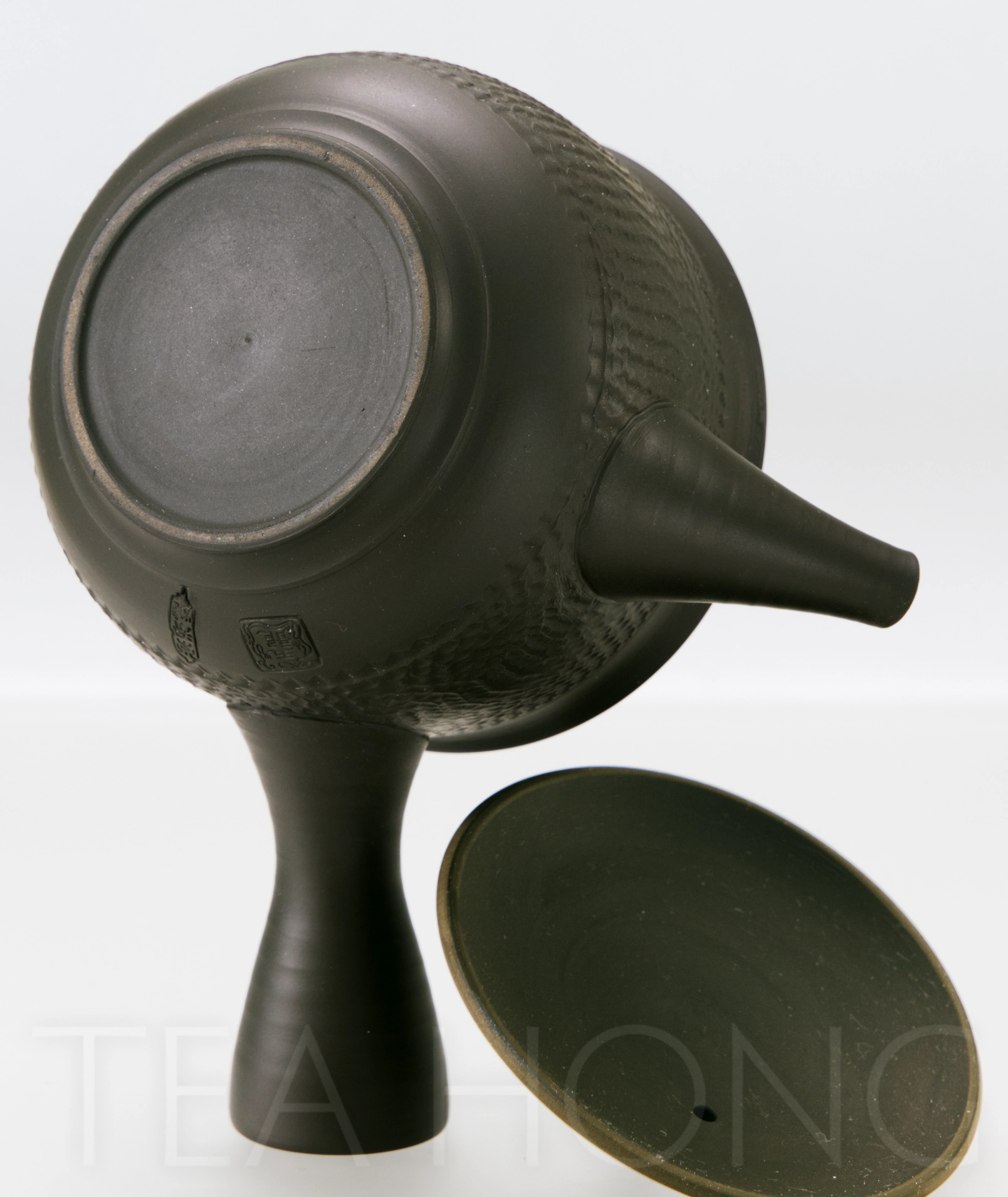
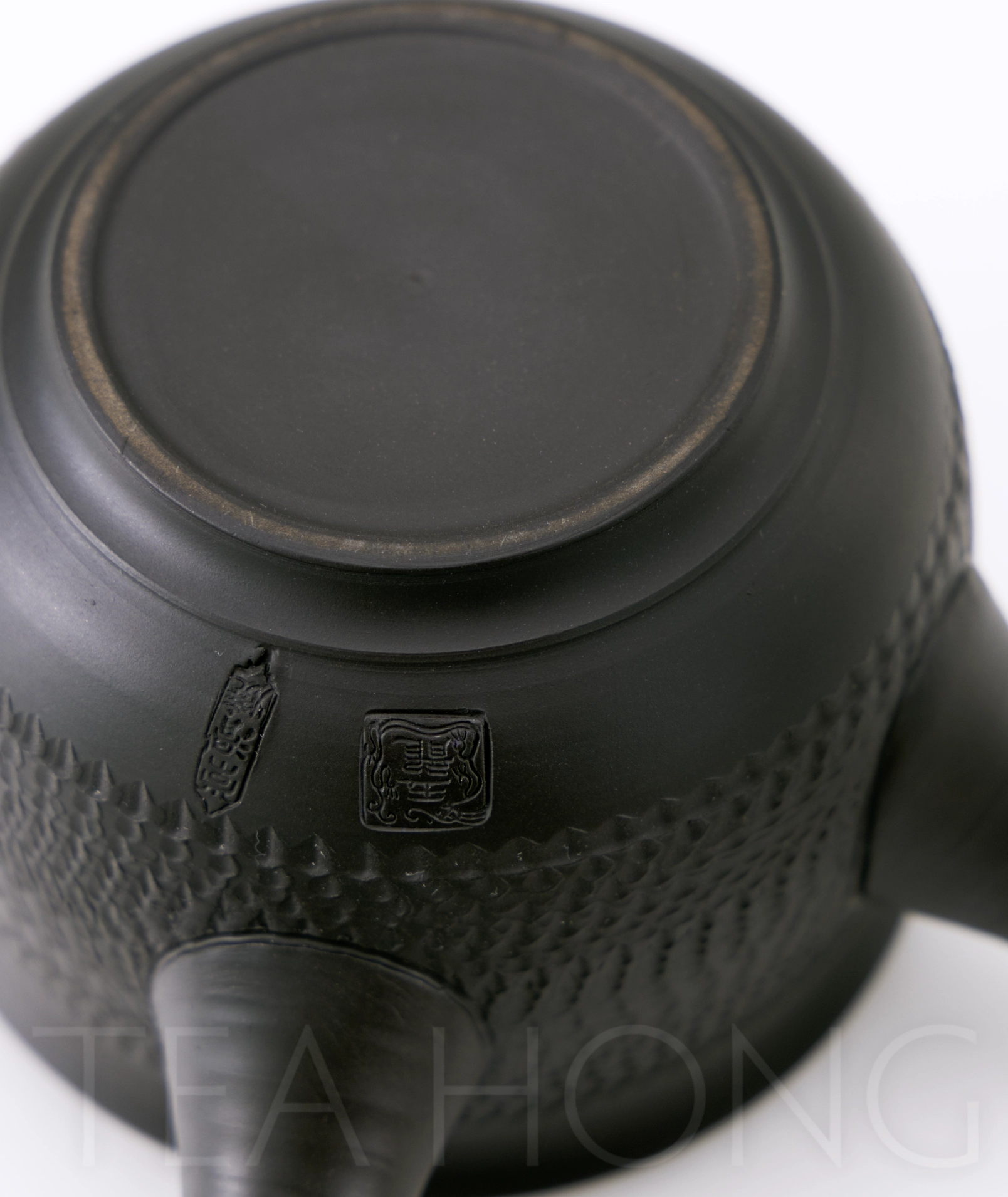
Jiro Umehara: Black Biri Red Line
US$67.0
excluding tax and tariff
梅原二郎 玉龍 黒ビリ朱線急須
Artist: Jiro Umehara (Gyokuryu)
Pot capacity: 290 ml
Pot diameter: 8.5 cm
Pot opening diameter: 6.5 cm
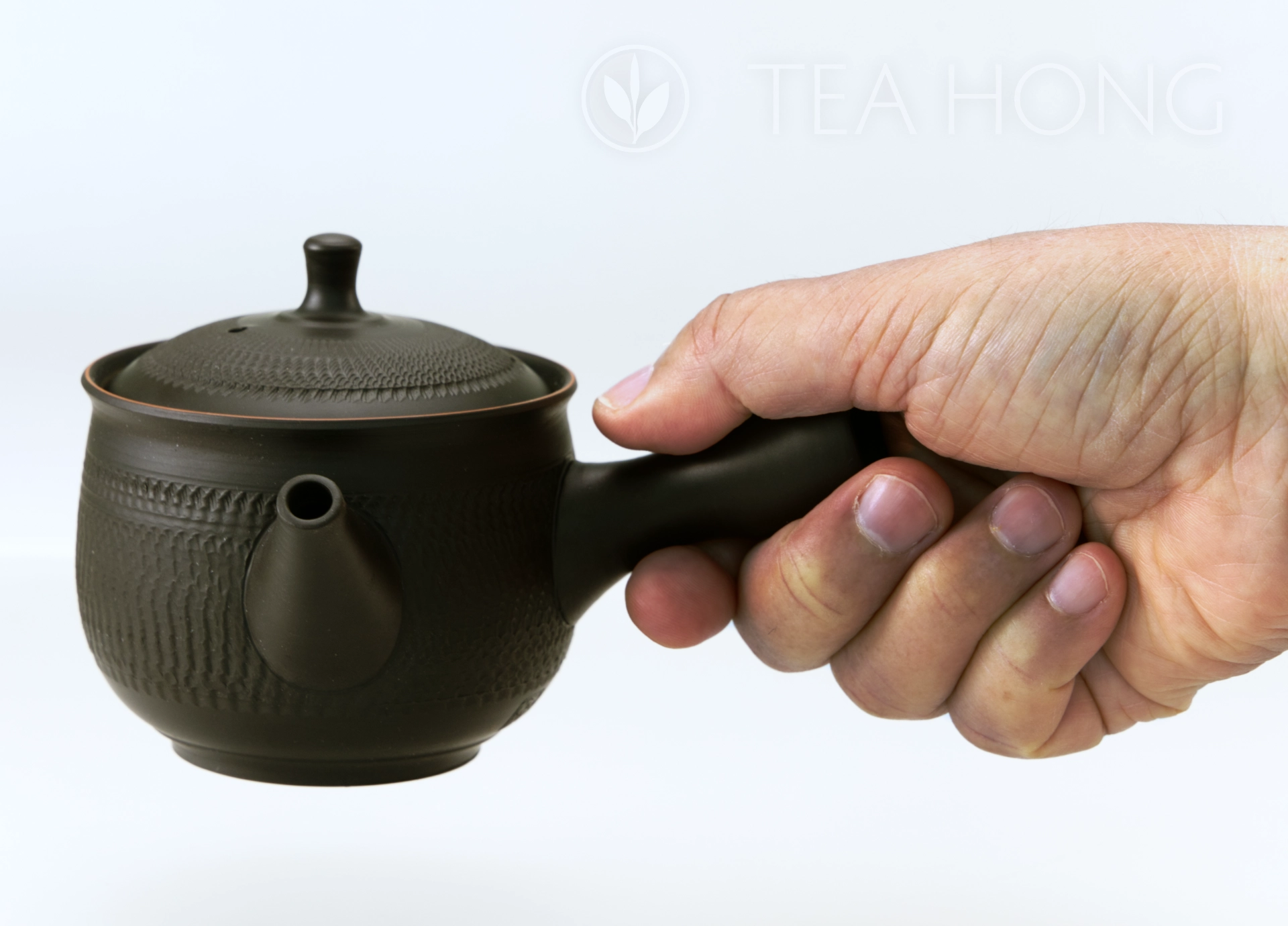
Pot height, including the lid button: 10.5 cm
Material: high temperature reduction fired unglazed red clay
Net weight: 239 g
Origin: Tokoname, Aichi, Japan
Packing: Cushioned carton box
*note: the photo with a hand holding the teapot is intended for the viewer to relate to the size of the piece. It is not meant as a reference for any proper handling style.
In stock

⇣Click to see related items
-
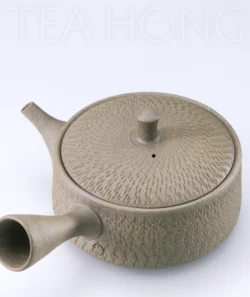
Hirotaka Umehara: Columnar Tobikanna Kyūsu
Japanese chachū (kyūsu), TeawareUS$91.0梅原 廣隆 玉光焼〆切立飛びカンナ急須
Artist: Hirotaka Umehara Pot capacity: 160 ml Pot diameter: 9.5 cm Pot opening diameter: 7.5 cm Pot height, including the lid button: 6.5 cm Material: high temperature fired beige clay Net weight: 236 g Origin: Tokoname, Aichi, Japan Packing: Cushioned carton box*note: the photo with a hand holding the teapot is intended for the viewer to relate to the size of the piece. It is not meant as a reference for any proper handling style.
-
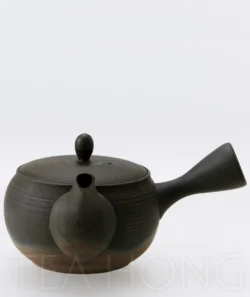
Hirotaka Umehara: Kiln Change Striated Chakkiri Kyūsu
Japanese chachū (kyūsu), TeawareUS$73.0梅原 廣隆 玉光火窯変線段茶っ切り急須
Artist: Hirotaka Umehara Pot capacity: 350 ml Pot diameter: 9.5 cm Pot opening diameter: 7.5 cm Pot height, including the lid button: 8.5 cm Material: high temperature fired red clay Net weight: 279 g Origin: Tokoname, Aichi, Japan Packing: Cushioned carton box*note: the photo with a hand holding the teapot is intended for the viewer to relate to the size of the piece. It is not meant as a reference for any proper handling style.
-
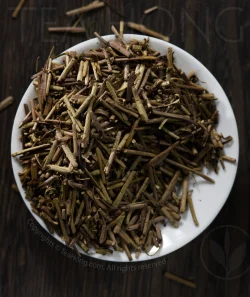
FIR Houjicha, far-infrared roasted green tea petioles, 40 g
Green teas, Japan, Lighter Aromas, Milder Tastes, Neutral Energy, TeaUS$16.8
FIR Houjicha, far-infrared roasted green tea petioles, 40 g
Green teas, Japan, Lighter Aromas, Milder Tastes, Neutral Energy, TeaUS$16.8遠赤外線 深煎りほうじ茶
An old style petiole tea much elevated using modern technology
Much like roasting green coffee beans to brown colour for making a dark colour drink, a houjicha is a green tea that is deeply roasted. Unlike in China or Taiwan, where a large variety of oolongs and black teas are there readily to choose from for deep baking or roasting, producers in Japan mostly have only green tea to work with. While it sounds straight forward, to find one which taste is respectable is not easy. The very brittle nature of Japanese green tea leaves does not yield much taste when deep roasted. Roasted bancha — i.e. houjicha of lower grade leaves — which is often served in any neighbourhood eateries, is an example. Since larger, older and under-processed leaves are used and the final quality reflects that. There is one kind of houjicha, however, that caught our attention: that from one of our Uji producers who has mastered the process of roasting using a far-infrared system. Much like in our Karigane where the relative higher cellulose and carbohydrate contents in the petioles gives a sweeter and a relatively more complex dimension, this far infrared deep roasted version of purely small leaf stalks does have a pleasantly warm and tidily intact taste profile. My first encounter with something similar was a small cup served after a luxurious crab kaiseki meal in a pristinely beautiful traditional formal style restaurant. It was quite an impressive surprise. To me, this easy going tea doesn’t have to be enjoyed only after an expensive meal. It can be easily infused using a hot or cold infusion method and it is quite forgiving of irregularities. It suits a lot of occasions where tea is a complement. And it is a nice one.


 Net weight: 40g (1.4oz) in Kraft-alu pack
 -
Sold out
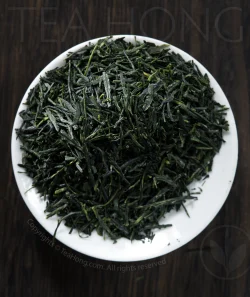
Kabusecha Gyousei, shade grown green tea, 60 g
Cold Energy, Fuller Bodies, Green teas, Japan, Lighter Aromas, TeaUS$18.8
Kabusecha Gyousei, shade grown green tea, 60 g
Cold Energy, Fuller Bodies, Green teas, Japan, Lighter Aromas, TeaUS$18.8伊勢かぶせ茶 暁星
If a traditional style sencha is a little too brisk for you but you feel needing a bit more zest than a gentle gyokuro, try a kabusecha — a tea made from shaded grown bushes much like a gyokuro, although shaded only for half the time. That gives you less of that extra umami, and relatively more of those tea polyphenols for that slight bite and a little more refreshing sensation that you maybe after. Tea Hong’s Kabusecha Gyousei is a top quality selection of this variety. It is produced by Yoshie san’s farm, the same that gives us Ise Gyokuro Mugetsu. Their farm is one of the best in that region, which is popular in the tea trade for shaded grown tea for the production of gyokuro, kabusecha and tencha for producing matcha.

 Net weight: 60g (2.1oz) in Kraft-alu pillow
 -
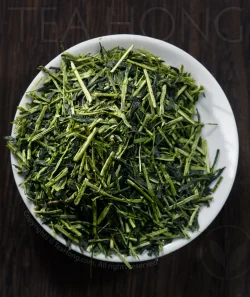
Karigane Gyokuro, a very special kukicha, 120 g
Cold Energy, Green teas, Japan, Lighter Aromas, Milder Tastes, TeaUS$23.8
Karigane Gyokuro, a very special kukicha, 120 g
Cold Energy, Green teas, Japan, Lighter Aromas, Milder Tastes, TeaUS$23.8雁が音 - 白折玉露
When the umami, round and refreshing taste of a good Japanese green tea is desired for a party, or for a casual whole day drink, a good quality kukicha is a popular alternative. Like all other kukicha, or shiraore (another popular name of this tea variety), or karigane, Tea Hong’s Karigane Gyokuro is also produced from leaf stems. There is, however, a significant difference. It is produced as a by product of top quality gyokuro, making it sweeter, softer, a lot more savoury, and as refreshing. Like almost all petiole teas, it is more tolerant of infusion discrepancies, making it a great choice for both green tea beginners and as a daily or party drink. It is a great value alternative to gyokuro. Since a large portion of the leaves are replaced with the leaf petioles, this tea is relatively lower in caffeine too.* Net weight: 120g (4.2oz) in Kraft-alu pack
Jade Dragon Kiln
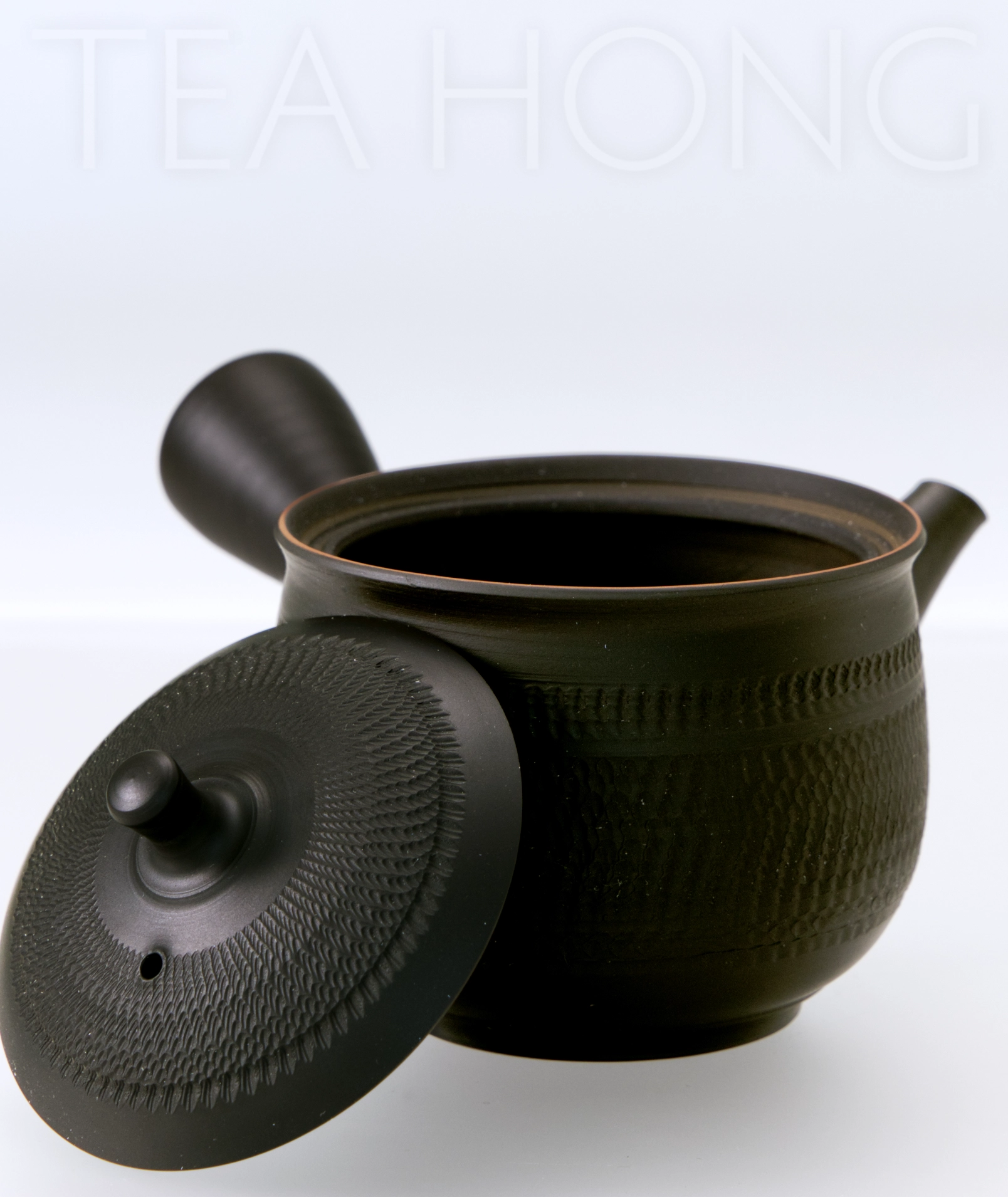
Master Jiro Umehara names his workshop Gyokuryu, and is personally known in the ceramic market with that name. Despite all the awards received, the old artist prefers to keep his works highly accessible not only with the price, but also the more relatable and almost comical form-proportion. Local demand is high so we are happy to have anchored this particular well made piece for our collection.
Red Line
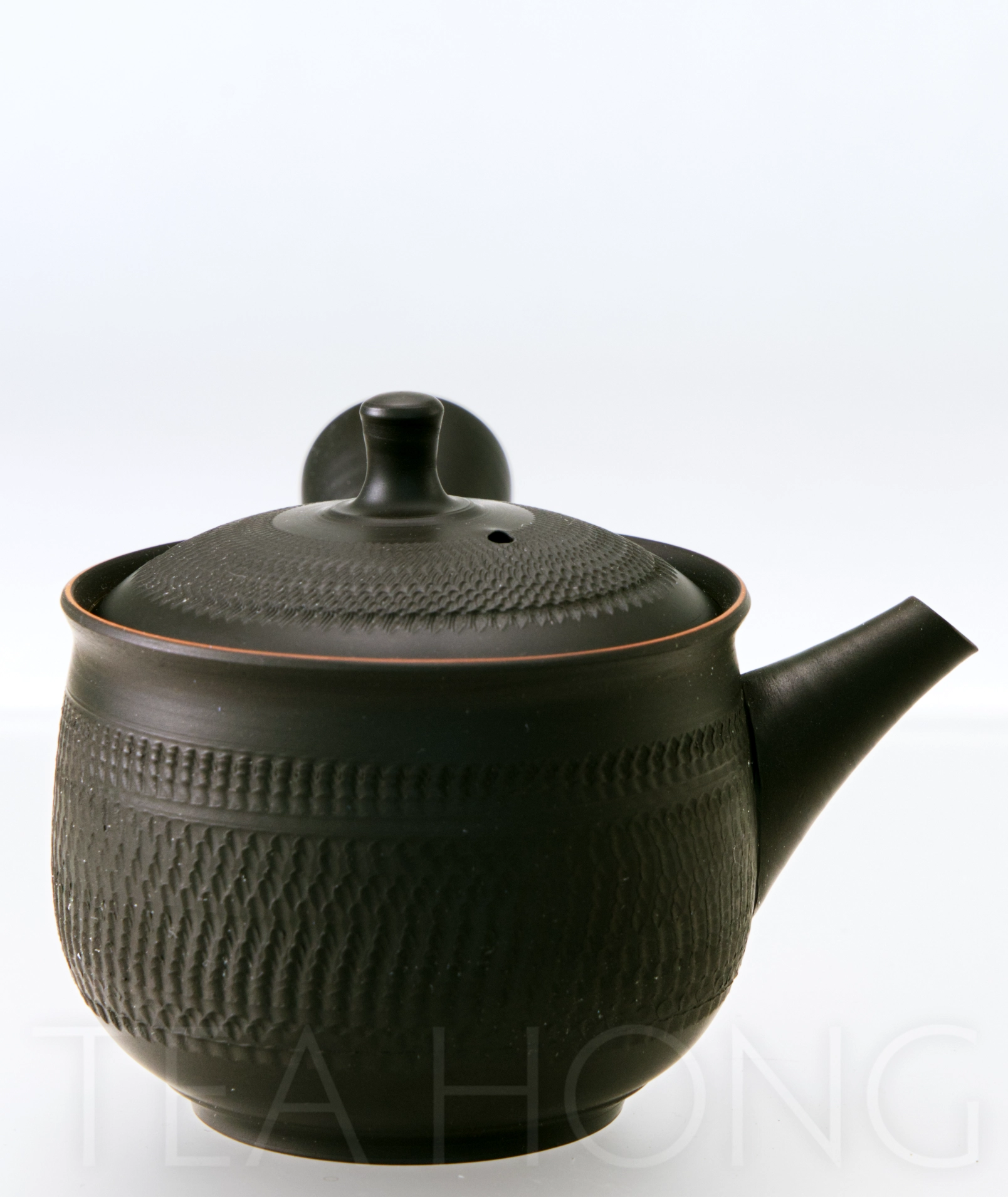
This is a beautiful piece demonstrating the Master’s fine workmanship. While the surface of the red clay bisque is reduction fired to become black, he manage to reveal red colour core of the material in a thin line on the brim.
What is Biri?
Like Master Hirotaka Umehara’s tobikanna teapots, biri also refers to the kanna effects of the teapot surface, except that it does not necessarily mean the use of the more specialised tobikanna tool.
This is a handmade item. Each individual piece delivered may have slight variations in colour, pattern, shape and details from the particular one used in these pictures.
Additional information
| Shipping Weight | 500 g |
|---|---|
| HSCODE | 691200 |
 Jiro Umehara: Black Biri Red Line
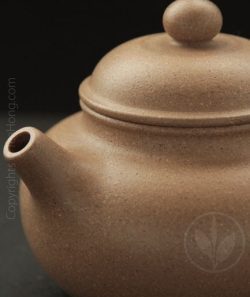
Minute Celeste
Teaware, Yixing Teapot小蒼天
Artist: Yixing Teapot Factory#1 Pot name/style: Xiao Cang Tian (Celeste, small version), date unknown Material: matured Duanni Capacity: 130 ml 宜興一廠、日期不詳 老段泥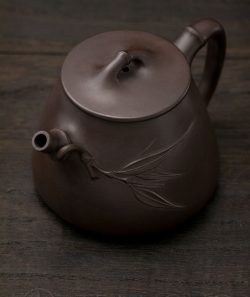
Wu Min: Stone Ladle, Tall
Teaware, Yixing Teapot高石瓢
Artist: Wu Min Pot style: Shi Piao ( Stone Ladle ) Material: Zi-ni ( Purple clay ) Capacity: 260 ml Signed certificate with artist portrait 吳敏 高石瓢 原礦紫泥 底款:吳敏製陶 蓋款:吳、吳敏 簽名並照片證書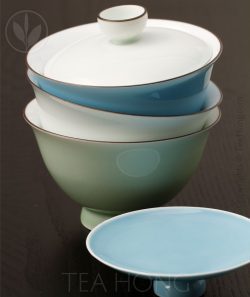
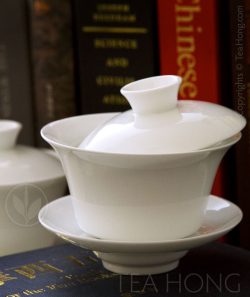
Jianzi Tall Foot 150
Gaiwans, TeawareProfessional tea tasting with style
Although this is a gaiwan developed with the requirements for standard tea tasting, at 150ml ISO capacity at below the lid cover, we have it made with all the proper ergonomic requirements, and in a great looking design. Produced in fine kaolin porcelain and gorgeously finished with a glossy overglaze. A great tool for the professional, the real connoisseur or the novice drinker.
Each unit contains one gaiwan bowl with a lid. Choice of three colours.
Reviews
There are no reviews yet