

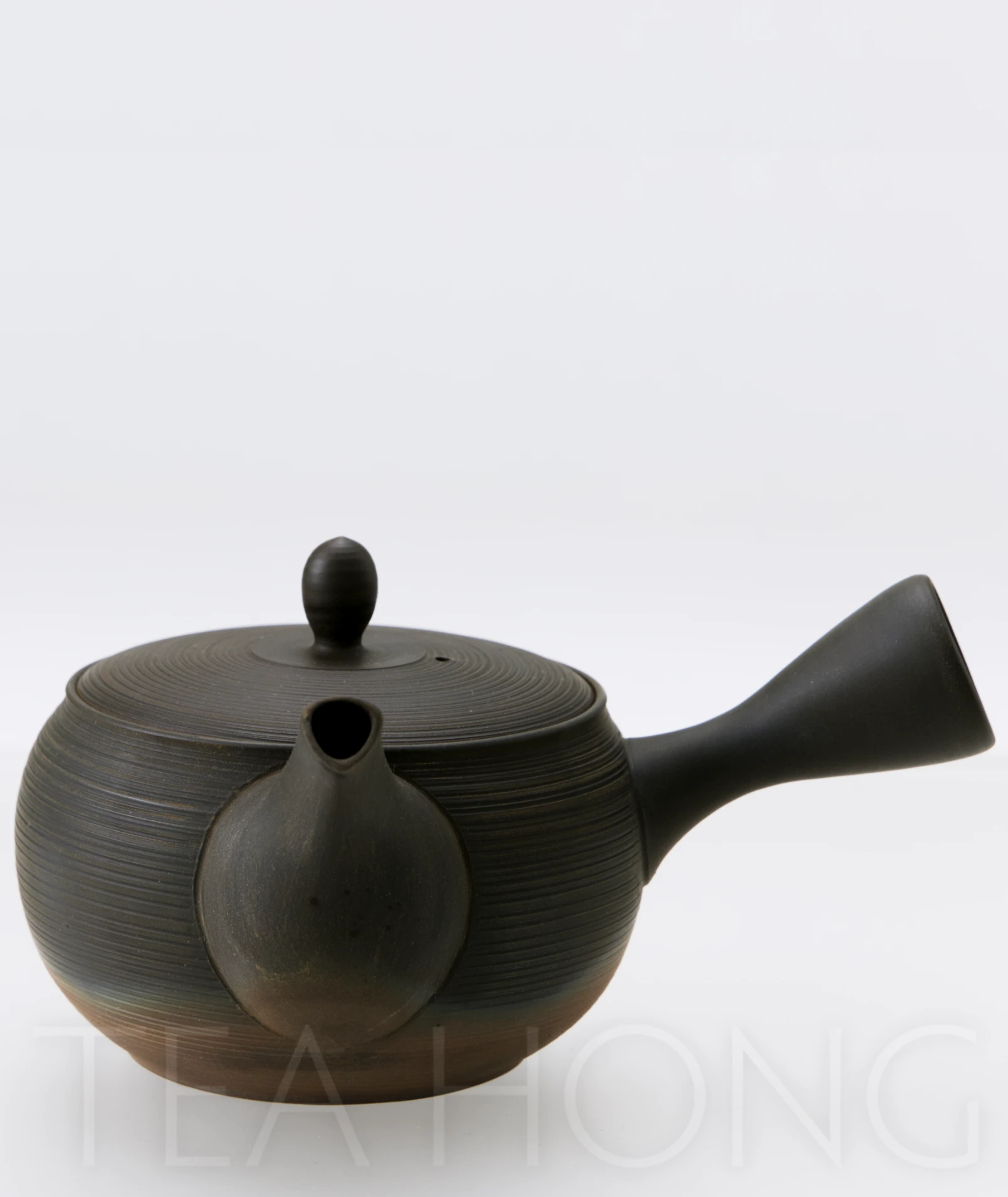
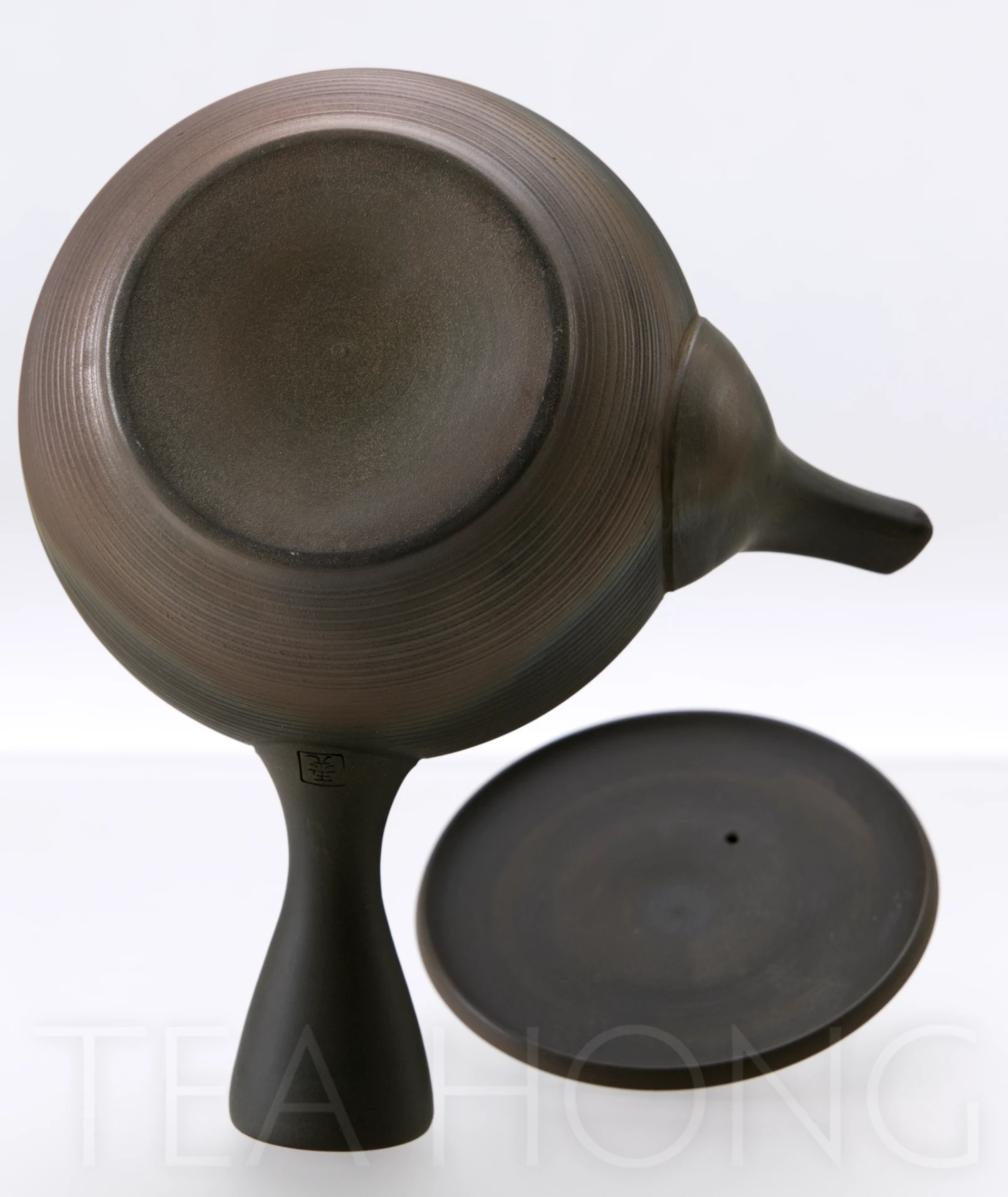
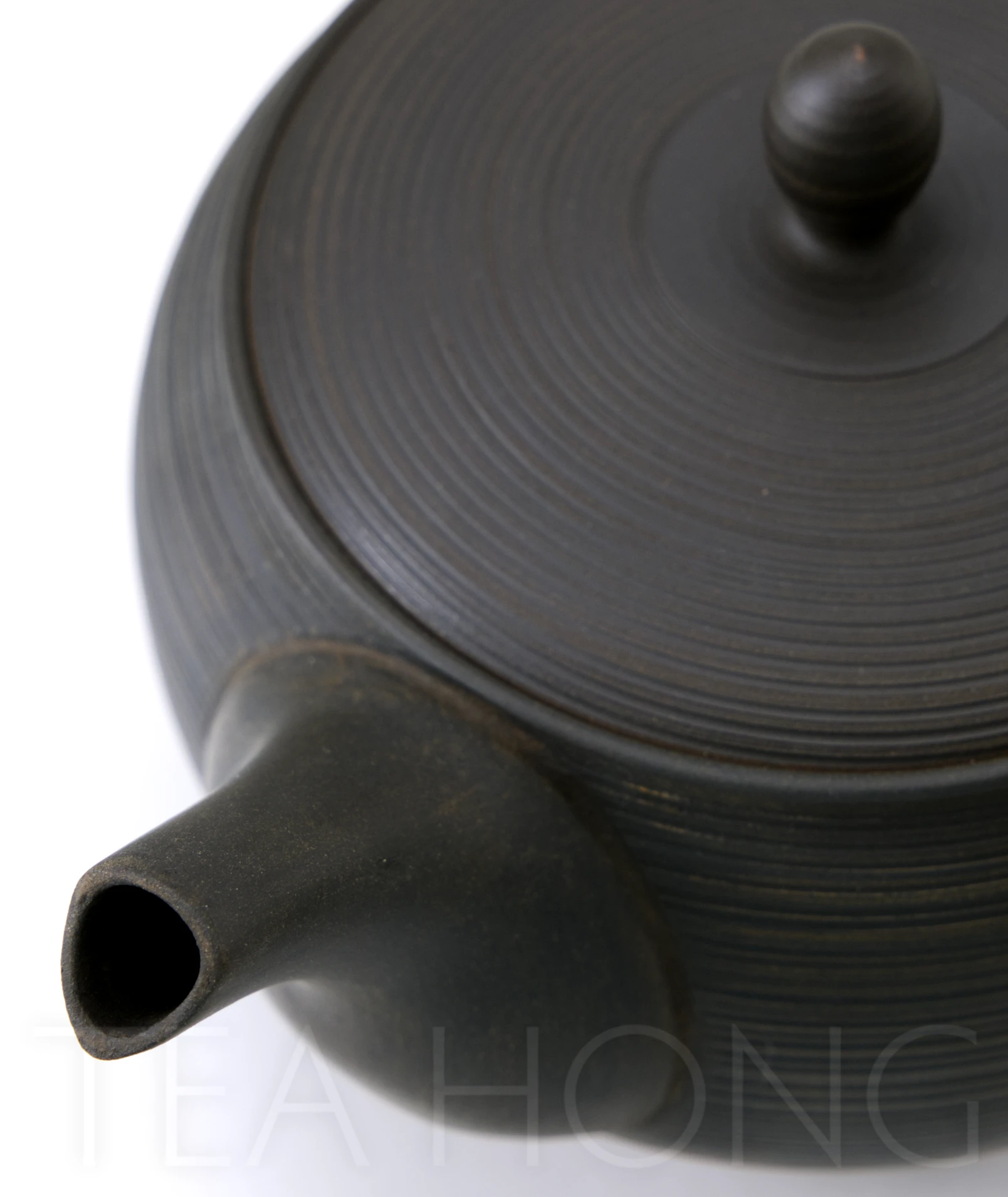
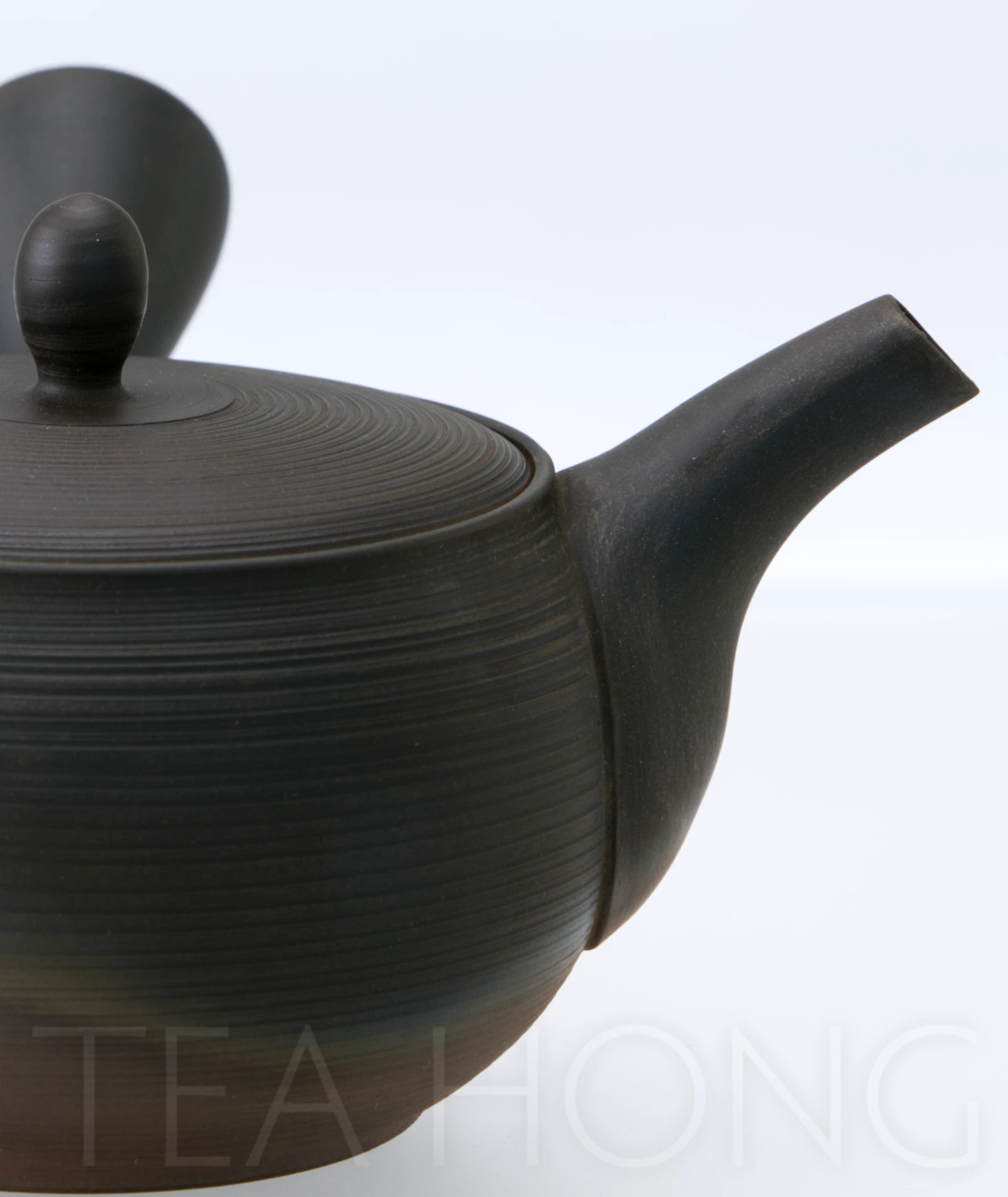
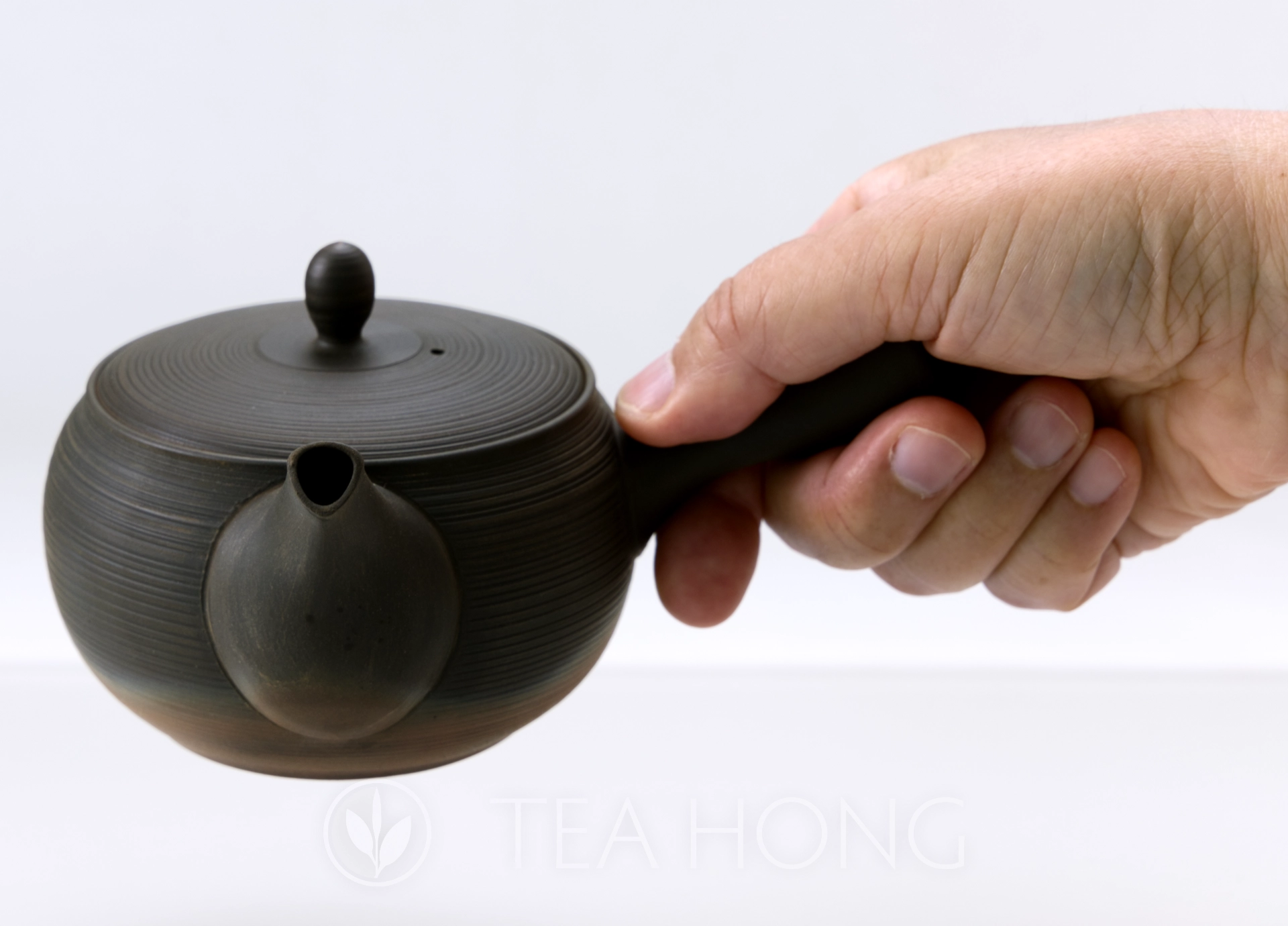
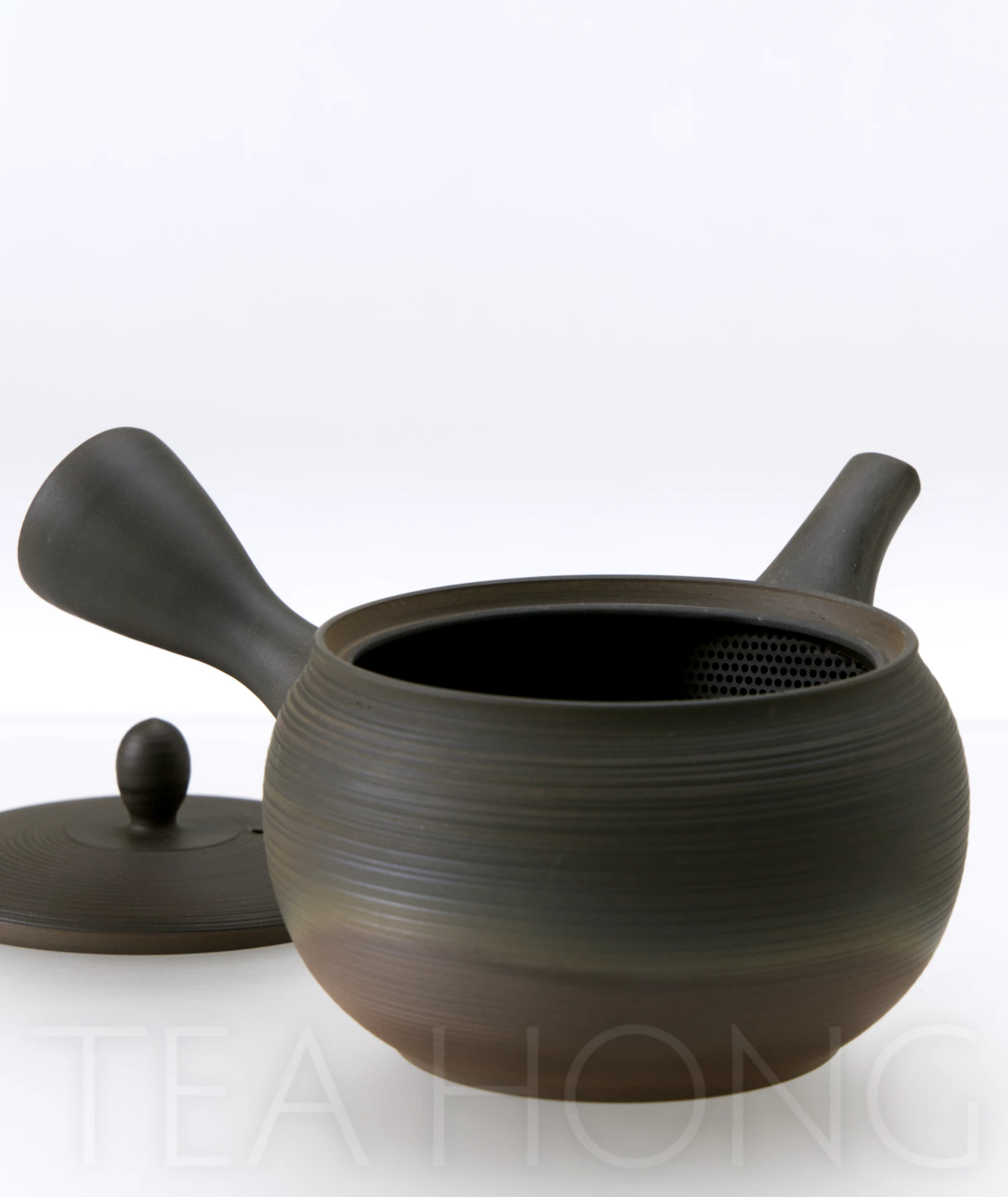
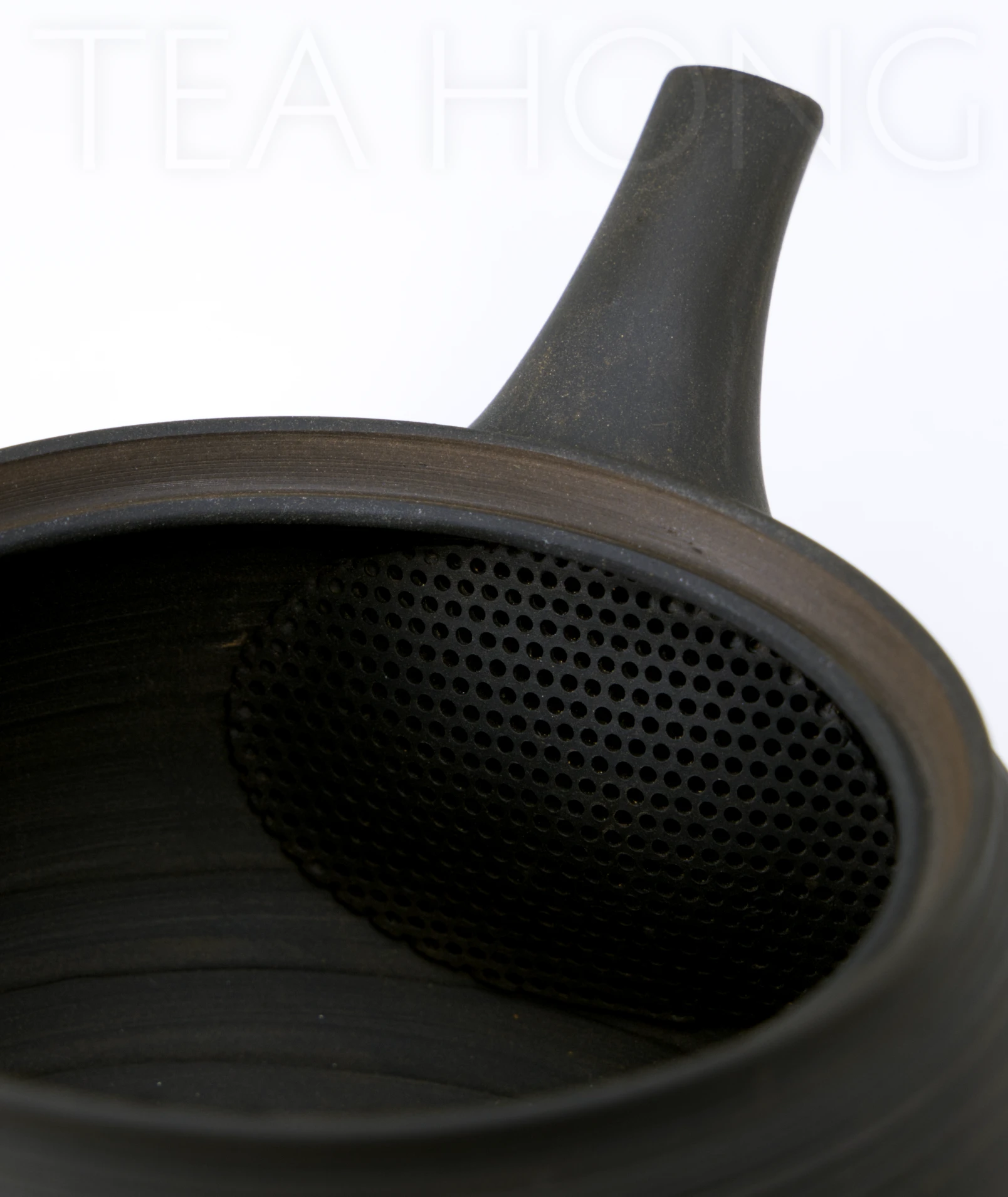
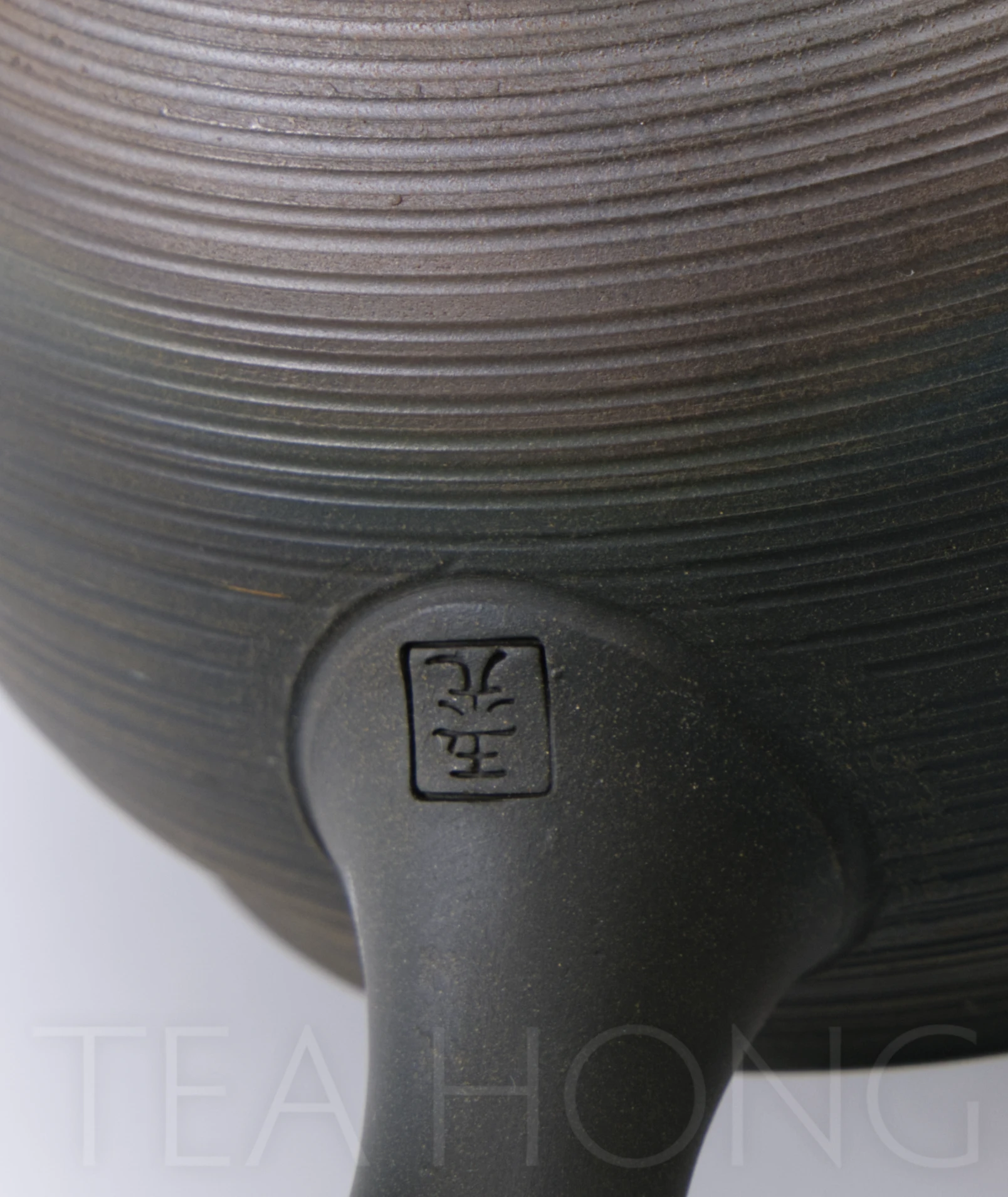
Hirotaka Umehara: Kiln Change Striated Chakkiri Kyūsu
US$73.0
excluding tax and tariff
梅原 廣隆 玉光火窯変線段茶っ切り急須
Artist: Hirotaka Umehara
Pot capacity: 350 ml
Pot diameter: 9.5 cm
Pot opening diameter: 7.5 cm
Pot height, including the lid button: 8.5 cm
Material: high temperature fired red clay
Net weight: 279 g
Origin: Tokoname, Aichi, Japan
Packing: Cushioned carton box
*note: the photo with a hand holding the teapot is intended for the viewer to relate to the size of the piece. It is not meant as a reference for any proper handling style.
In stock

⇣Click to see related items
-
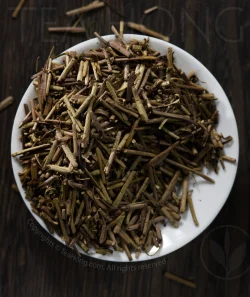
FIR Houjicha, far-infrared roasted green tea petioles, 40 g
Green teas, Japan, Lighter Aromas, Milder Tastes, Neutral Energy, TeaUS$16.8
FIR Houjicha, far-infrared roasted green tea petioles, 40 g
Green teas, Japan, Lighter Aromas, Milder Tastes, Neutral Energy, TeaUS$16.8遠赤外線 深煎りほうじ茶
An old style petiole tea much elevated using modern technology
Much like roasting green coffee beans to brown colour for making a dark colour drink, a houjicha is a green tea that is deeply roasted. Unlike in China or Taiwan, where a large variety of oolongs and black teas are there readily to choose from for deep baking or roasting, producers in Japan mostly have only green tea to work with. While it sounds straight forward, to find one which taste is respectable is not easy. The very brittle nature of Japanese green tea leaves does not yield much taste when deep roasted. Roasted bancha — i.e. houjicha of lower grade leaves — which is often served in any neighbourhood eateries, is an example. Since larger, older and under-processed leaves are used and the final quality reflects that. There is one kind of houjicha, however, that caught our attention: that from one of our Uji producers who has mastered the process of roasting using a far-infrared system. Much like in our Karigane where the relative higher cellulose and carbohydrate contents in the petioles gives a sweeter and a relatively more complex dimension, this far infrared deep roasted version of purely small leaf stalks does have a pleasantly warm and tidily intact taste profile. My first encounter with something similar was a small cup served after a luxurious crab kaiseki meal in a pristinely beautiful traditional formal style restaurant. It was quite an impressive surprise. To me, this easy going tea doesn’t have to be enjoyed only after an expensive meal. It can be easily infused using a hot or cold infusion method and it is quite forgiving of irregularities. It suits a lot of occasions where tea is a complement. And it is a nice one.


 Net weight: 40g (1.4oz) in Kraft-alu pack
 -
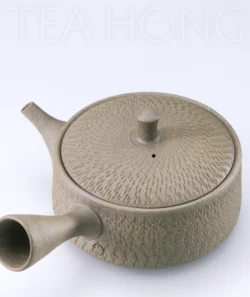
Hirotaka Umehara: Columnar Tobikanna Kyūsu
Japanese chachū (kyūsu), TeawareUS$91.0梅原 廣隆 玉光焼〆切立飛びカンナ急須
Artist: Hirotaka Umehara Pot capacity: 160 ml Pot diameter: 9.5 cm Pot opening diameter: 7.5 cm Pot height, including the lid button: 6.5 cm Material: high temperature fired beige clay Net weight: 236 g Origin: Tokoname, Aichi, Japan Packing: Cushioned carton box*note: the photo with a hand holding the teapot is intended for the viewer to relate to the size of the piece. It is not meant as a reference for any proper handling style.
-
Sold out
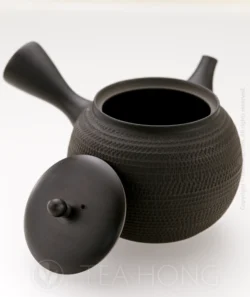
Hirotaka Umehara: a classic utilitarian kyūsu
Japanese chachū (kyūsu), TeawareUS$80.0梅原 廣隆 玉光急須
Artist: Hirotaka Umehara Pot capacity: 585 ml Pot diameter: 11.5 cm Pot opening diameter: 9.5 cm Pot height, including the lid button: 10.5 cm Material: high temperature fired red clay Net weight: 324 g Origin: Tokoname, Aichi, Japan Packing: Cushioned carton box -
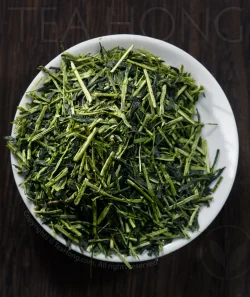
Karigane Gyokuro, a very special kukicha, 120 g
Cold Energy, Green teas, Japan, Lighter Aromas, Milder Tastes, TeaUS$23.8
Karigane Gyokuro, a very special kukicha, 120 g
Cold Energy, Green teas, Japan, Lighter Aromas, Milder Tastes, TeaUS$23.8雁が音 - 白折玉露
When the umami, round and refreshing taste of a good Japanese green tea is desired for a party, or for a casual whole day drink, a good quality kukicha is a popular alternative. Like all other kukicha, or shiraore (another popular name of this tea variety), or karigane, Tea Hong’s Karigane Gyokuro is also produced from leaf stems. There is, however, a significant difference. It is produced as a by product of top quality gyokuro, making it sweeter, softer, a lot more savoury, and as refreshing. Like almost all petiole teas, it is more tolerant of infusion discrepancies, making it a great choice for both green tea beginners and as a daily or party drink. It is a great value alternative to gyokuro. Since a large portion of the leaves are replaced with the leaf petioles, this tea is relatively lower in caffeine too.* Net weight: 120g (4.2oz) in Kraft-alu pack


-
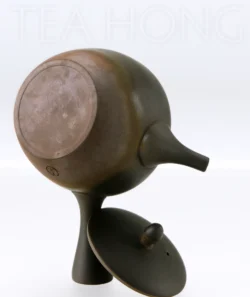
Hirotaka Umehara: Kiln Change Mini Oblong Kyūsu
Japanese chachū (kyūsu), TeawareUS$66.0梅原 廣隆 玉光火窯変ミニ長丸無地急須
Artist: Hirotaka Umehara Pot capacity: 150 ml Pot diameter: 7 cm Pot opening diameter: 5 cm Pot height, including the lid button: 7.5 cm Material: high temperature fired red clay Net weight: 127 g Origin: Tokoname, Aichi, Japan Packing: Cushioned carton box*note: the photo with a hand holding the teapot is intended for the viewer to relate to the size of the piece. It is not meant as a reference for any proper handling style.
A practical infusion ware with a triangular spout
Master Umehara has inherited the renowned Gyokuko Master’s workshop 玉光陶園 as the second generation successor not because of bloodline, but for the dedication and talents he has shown through decades of outputs, exhibitions and awards. This price efficient piece is a great representation of the good usability and mastery in workmanship and material processing of the award winning master’s work. The spout shape facilitates smooth pouring and control in dripping, a great attention in the civility in the process of tea preparation. This is from one of the Master’s minimalist “Kiln Change” series.
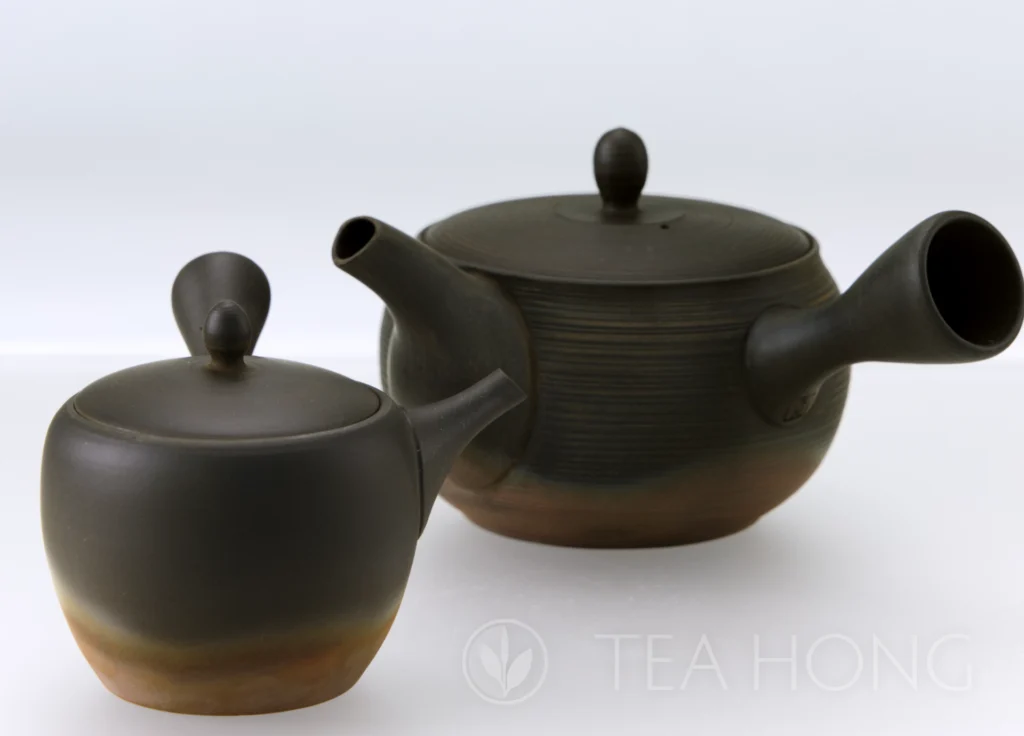
Another piece in the same kiln change series by Umehara is the 150 ml Mini Oblong Kyūsu.
This is a handmade item. Each individual piece delivered may have slight variations in colour, pattern, shape and details from the particular one used in these pictures. Please note also that because of the different reflective indexes caused by reduction firing on the surface of this item, the colours rendered in the photos under the photo lights maybe slightly different when under a different lighting environment.
Additional information
| Shipping Weight | 500 g |
|---|---|
| HSCODE | 691200 |
 Hirotaka Umehara: Kiln Change Striated Chakkiri Kyūsu
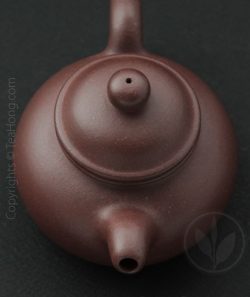
Clear Spring
Teaware, Yixing Teapot清泉(潘壺)
Artist: Bao Rong Jun, National Industrial Artist Pot name: Qing Chuan (Clear Spring) 2011 Pot style: Panhu Material: Original Huanglongshan Zisha Capacity: 150 ml 包榮軍 (國家工藝美術員) 2011 黃龍山原礦紫砂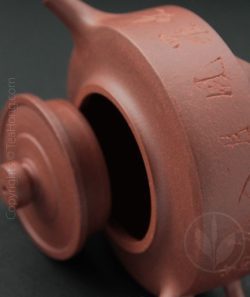
Nipples
Teaware, Yixing Teapot乳鼎
Artist: Dong Wei Jen Pot name/style: Ru-ding (Caldron legs in the form of nipples) 2012 Material: Qingshui-ni Capacity: 195 ml 東惟珍 2012 清水泥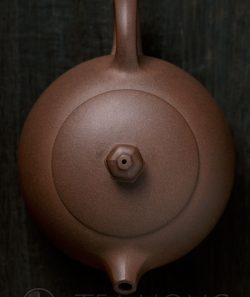
Song Ru Qiang: Hexagon Xishi
Teaware, Yixing Teapot六方西施
Artist: Song Ru Qiang Pot style: Daoba Xishi (Reverse Handle Concubine) with hexagon details Material: Di Cao Qing, from Huang Long Shan zisha mine number 4 Capacity: 240 ml Signed certificate 宋如强 黃龍山四號井紫砂底槽清 底款:如強製陶 蓋款:宋、如強 簽名證書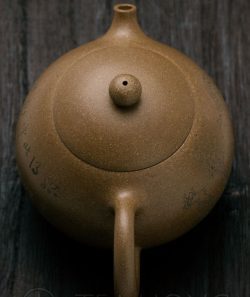
Reviews
There are no reviews yet