

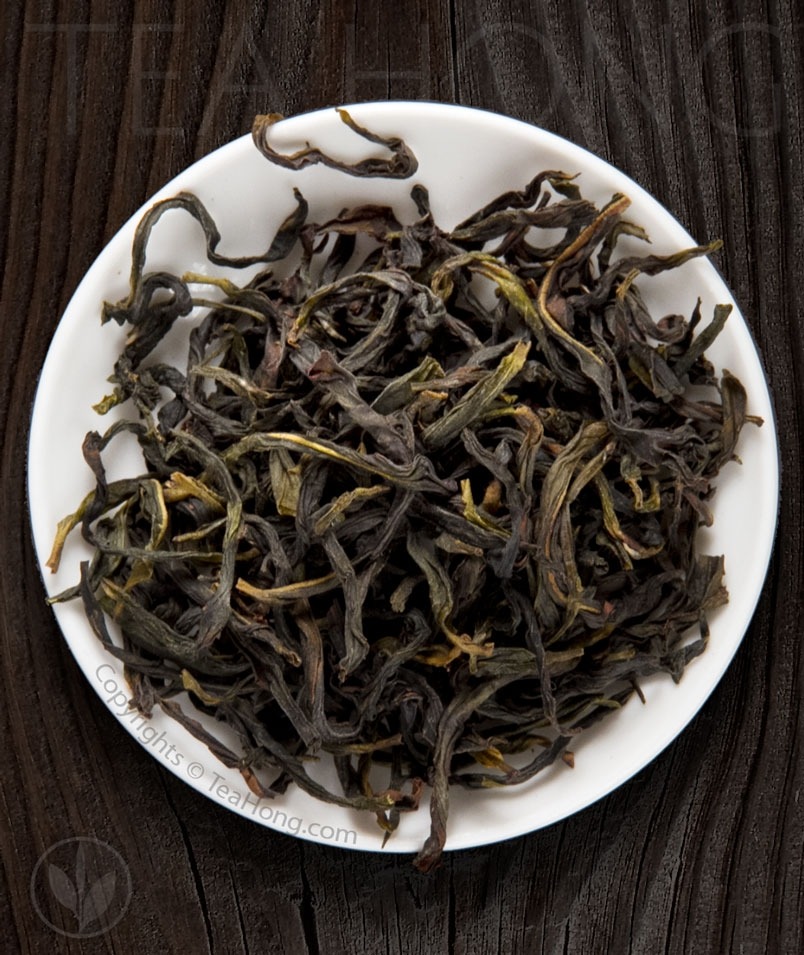
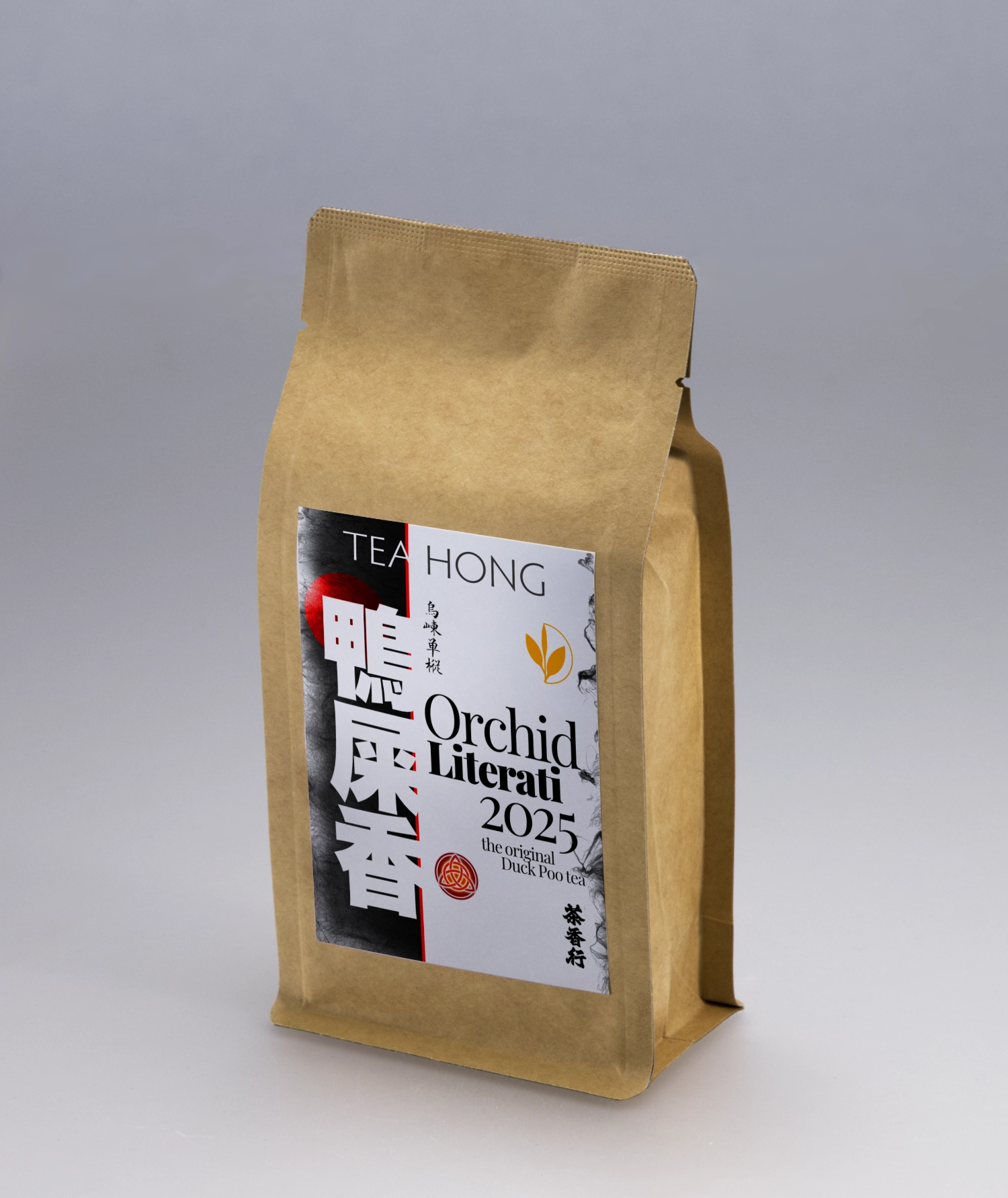
Orchid Literati, Phoenix dancong oolong, 40 g
US$41.3
excluding tax and tariff
鳳凰春茶、鴨屎香單欉
the genuine Duck Poo Tea
As a person continues to discover tea, sometimes finding one with subtle and yet complex fineness seems a lot more exciting than one with strong impressions. That is how we feel when we got hold of this. The locals aptly name it “Cao-lan” (Cymbidium goeringii), the rare orchid which ancient Chinese literati had revered for millenniums for its understated beauty and fragrance*. The long, sweet yet subtle taste and aftertaste of this tea echos the sentiments for the civilized persistence for humanity virtues of the classic eras. If you enjoy our Eight Immortals, Orchid Literati will take you to another level.


Net weight: 40 g (1.4 oz) in Kraft-alu pack
In stock

Taste profile
Nose: Prominent, yet soft floral bouquet that is buttery and sweet. Tones of honey, ripen fruits and fresh leafy veggies in the aroma accented with notes of high altitude moss and the freshness sensation of forest after the rain. Palate: Elegantly sweet, smooth and silky full bodied infusion with soft citrus bites. Finish: Long, floral, quenching, refreshing, sweet aftertaste and after aroma with tinkles of citrus.
Infusion tips
For an elegant and superbly fine tea like this, your personal preference matters as to how you prepare it. On the basis of 90°C, use a slightly higher temperature for more emphasis in the bouquet; a slightly lower temperature for an even smoother infusion. Best expressed in smaller vessels, such as a 100 ml gaiwan, using shorter infusion time and more leaves, or in the gongfu approach.
* The label Cao-lan is also perhaps an effort by the locals to give the tea a more civilised aura to balance off the vulgarity of the original cultivar and tea name, Ya-shi Xiang, known to some as Duck Poo Tea. Genuine quality Ya-shi Xiang has always been a much demanded, rare and high price tea even in the local community. Read more about the name here.
Additional information
| Shipping Weight | 90 g |
|---|---|
| Dimensions | 18 × 9 × 5 cm |
| Net weight: | |
| Tea category: | |
| Class: | |
| Recommendation: | |
| Origin: | |
| TCM character: | |
| Packaging: | |
| Infusion color: | |
| Vintage |
3 reviews for Orchid Literati, Phoenix dancong oolong, 40 g
 Orchid Literati, Phoenix dancong oolong, 40 g
Shiguping Wulong, rare Phoenix oolong, 40 g
Fenghuang | Phoenix, Fuller Bodies, Lighter Aromas, Neutral-Cool Energy, Oolongs, Tea鳳凰隱世珍品 極限量 石古坪烏龍
Rare Indigenous Cultivar:
To us, offering the extremely rare Shiguping Wulong is not a challenge enough. We think we should give you the best of its kind. Trekking further deep into the mountain above the elusive main village of Shiguping, we found the patch of land which the locals called Liao-xi-ya, where it all began. The tea is softer, yet fuller and even more complex than that in the main village. The very original Shiguping Wulong*, as highly acclaimed by the man who devoted all of his life in advocating oolongs of Phoenix, the 74 years-old tea specialist Huang Bozi.


 Net weight: 40 g (1.4 oz) in Kraft-alu pack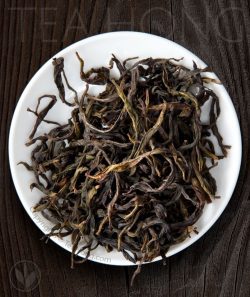
Phoenix Classic, dancong oolong, 40 g
Fenghuang | Phoenix, Floral Aromas, Fuller Bodies, Neutral Energy, Oolongs, Tea鳳凰蜜香 白葉單欉
Fenghuang Baiye:
Before Chaozhou Guest Hotel was privatised, this officially appointed lodging for visiting high-ranking government officials used to serve only classic style Phoenix oolongs in all of their restaurants*. Tea Hong’s Phoenix Classic could well be the special quality in the large white porcelain teapot on the breakfast table sitting next to bamboo steamers holding finely crafted dim sums for the privileged guests. All fine and quintessential characters of the classic Phoenix oolong can be found in this tea — Sweet, fruity, and lively with notes of peach and dried longan, lychee and sweet potato. A proud heritage of Guangdong oolong.

 Net weight: 40 g (1.4 oz) in Kraft-alu pack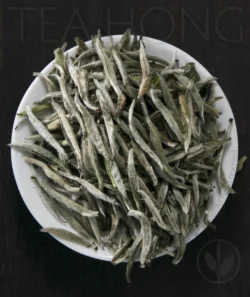
Silver Needle Supreme, traditional white tea, 40 g
Cool Energy, Lighter Aromas, Milder Tastes, Minnan/ Mindong, Fujian, Tea, White teas福鼎 明前 高山白毫銀針
Genuine Baihao Yinzhen:
The first ever modern white tea, Silver Needle that came about in late 18th century withstands time as still the highest quality in the category. Produced in the origin of Fuding with the original pedigree cultivar Fuding Daibai, Tea Hong’s Silver Needle Supreme is a high altitude first flush that distinguishes itself with a subtle yet the most joyful aroma and flavors amongst its peers. The finest and purest of this variety. Net weight: 40 g (1.4 oz) in Kraft-alu pack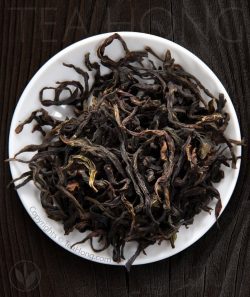
Honey Orchid Supreme, classic Phoenix dancong oolong, 40 g
Fenghuang | Phoenix, Floral Aromas, Fuller Bodies, Neutral Energy, Oolongs, Tea鳳凰極品 老樅蜜蘭香
Old Bush Milan Xiang:
For real aficionados who would not be satisfied until they have discovered a deeper depth, a rounder fullness and a more lingering sweetness, we’d go overboard to offer the extreme. Rarest small batches of leaves from special bushes individually processed only by top masters. Such as this supreme quality Milan Xiang Dancong. For those who demand more potential from the leaves for fulfilling their infusion skills. For thirsty souls seeking a moment of tranquility in the depth of the tinkling after-sweetness of Honey Orchid Supreme.
Net weight: 40 g (1.4 oz) in Kraft-alu pack
This tea is an enigma. It’s a Pandora’s Box of flavors and sensations that shows a different side of itself every time you brew it up. Like a chameleon, it is very colorful and dynamic, and constantly shifting around as the soup cools, or as the leaves are being warmed back up as more water is poured into the brewing vessel.
It’s also a very sophisticated and elegant experience. The complex nature of Ya Shi Xiang as a cultivar is perfectly captured in Tea Hong’s Orchid Literati – it would be difficult to find a deeper, rounder, and more wholesome expression than this, despite Ya Shi being a popular cultivar.
It’s not just the additional layers of flavor that make Orchid Literati stand out as one of the very best Ya Shi you could ever hope to find, it’s the additional dimensions. Much like watching an old movie on a flat-screen, in black-and-white, then watching that same film re-mastered in 3-D with ultra-high definition colors, so too does this Orchid Literati re-master and upgrade my experience with a cultivar that I know and love.
Besides the sheer breadth and depth of the flavor profile, one thing that really stands out to me about Orchid Literati is how clearly the terroir comes across – I can taste the soil and feel the minerals which fed these trees, and that alone is deeply quenching for my dancong-drinking soul.
It’s not difficult to find a “good enough” example of Ya Shi because it’s an easily-approachable cultivar and there are a lot of really good examples out there… but quality of this caliber is exceptionally rare, and for the price point this sits at, it’s a no-brainer to pick up a bag (or two) and experience the magic for yourself.
Indeed, better known Phoenix cultivars are widely planted throughout the Fenghuang area and well beyond, for obvious commercial incentives. In some gardens the harvest can be disciplined and the processing respectfully done. In some others, outputs are maximised for cashflow. The latter ones are quantitatively far more substantial. They are sold in the same name nevertheless. As a result, you can most certainly come across the same label here and there, with whatever origin or master maker your purveyor might tell you, basing on whatever information he/she has been given, or want to give.
A recent visit to a few popular teashops in London, however, has given me a new level of understanding of this phenomenon. There is no limits to how low the quality a Ya Shi Xiang — Duck Poo tea ( they call it Duck Sh*t tea, by the way ) can be and still demanding a premium price. I have tasted quite a few quality levels in my 20+ years in this trade and have honestly never came upon such lowly ones. They did not even taste like anything from Fenghuang at all.
People are still buying there because they do not know any better. On one hand, I am happy that people are interested in exploring the world of finer teas, on the other, however, I think it is dangerous that the spread of such fraudulent quality, will, in the long run, destroy the future of the market for good tea. When people have attempted to find a finer tea and found not much to enjoy even in a premium price product that they do not know is an unauthentic one, they simply will grow disinterested in the category all together.
As in the spirit of the traditional literati, it is all the more an obligation that I have to bear to make sure the genuine quality get delivered to the market, for the sake of the future of good tea. That is also why I am grateful for customers like you, N.N., who would take the extra step in sharing the tea experience with more people. It is far more than the feeling of being appreciated, your sharing is even more effective than our efforts in involving the market for the interest in the real thing. Hopefully someday good tea will drive out bad.
It’s all about subtlety
All in this marvelous tea is subtle: the clear infusion color, the elusive smell a combination of fine cream and fresh flowers, and the soft tangerine taste that emerges from the infusion when it becomes colder. Warning: there is a serious risk to become “teaholic” at first try.
a good tea
TeaHong describes this tea accurately: sweet, smooth, etc… In order to achieve the tea’s profile, paying attention to the water’s temperature and steeping time is needed.