
-
Sold out
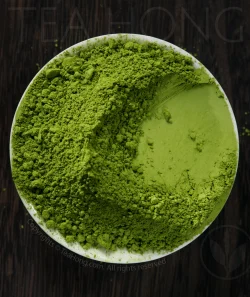
Ise Organic Matcha Unshin, ceremonial grade, 150 g
Cold Energy, Fuller Bodies, Green teas, Japan, Lighter Aromas, Organic teas, TeaUS$34.8伊勢 有機 御抹茶 雲心 (濃茶)
Top quality at great value
While there are many shops and brands offering organic matcha, finding one which taste quality meets our high requirements is a challenge. In our product line structure, it has to be good enough for chanoyu and at the same time economic enough for making different daily drinks or other recipes. Tea Hong’s ceremonial grade Organic Matcha Unshin is sourced exactly for this purpose. Produced by the same team that gives our wonderful Ise Matcha Mugetsu, and harvested from an isolated tea field for organic management, we are so confident of its quality that this very same production was the first Japanese tea we wholesale exported to EU, and growing in volume ever since. We also have a special quality from this same producer to provide to premium hotels in EU and UK. Now with Organic Matcha Unshin easily available online, when you whisk up a bowl of koicha to savour a mindfulness moment, or blend it with milk and cream to make a matcha latte to win the hearts of your friends, you know you are using a quality that you can rely on.


 Net weight: 150g (5.3oz) in Kraft-alu pack
 -

Fengxi Old Ginger, classic Fenghuang dancong oolong, 40 g
Fenghuang | Phoenix, Floral Aromas, Fuller Bodies, Neutral-Cool Energy, Oolongs, TeaUS$32.8鳳西 老欉薑母香
Tea Hong's Fengxi Old Ginger offers a floral, fruity profile with a ginger tone, and even a tiny hint of that spicy bite. Its elegant bouquet is luxuriously rich and complex, yet intricate and delicate. This distinctive olfactory presence and its intriguing gingery zest make the tea a unique choice in the classic style Phoenix oolong line up. Jiangmu Xiang, as the tea is called in the romanisation of the original name, has a slightly different origin too: about 10min on the motorbike to the east of Wudong — the Mecca of Fenghuang dancong — in the area of Fengxi, where the original 200+year-old tree has been propagated to the hundreds of production ones. Newer ones are now found elsewhere but we stay with the older clones which yields can give deeper and fuller characteristics of the tea. Like all our classic style Phoenixes, the tea has been rested a few months after harvest before the finishing rebake, and then matured amply before release, as in the proper old tradition.


 Net weight: 40 g (1.4 oz) in Kraft-alu pack
 -
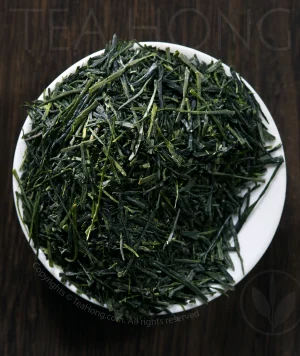
Kyoto Sencha Syunsai, organic Japanese green tea, 60 g
Cold Energy, Fuller Bodies, Green teas, Japan, Lighter Aromas, Organic teas, TeaUS$25.8春霽 おくゆたか 有機京都一番摘
A well delivered kick with the “just right” amount of strength is the joy of sencha for many tea drinkers. The key, though, is in whether the tea delivers the layers and intricacies like any fine tea should. A not so commonly employed tea cultivar, Okuyutaka, which can yield a finer aroma and more complex taste than other popular tea plants, is used for this top notch organic sencha of our pick. In addition to harvest quality, the mastery and care in processing is critical. Our producer in Kyoto spends more than double the time compared to the modern method so the rolling and heating of the leaves can be gradual and slow in order to render the truly traditional, and more complex taste profile of a respectable sencha. Presenting Tea Hong’s Kyoto Sencha Syunsai, a most enjoyable old style Japanese green tea by the multiple award winning tea master Kikuoka sensei and his diligent team. Net weight: 60g (2.1oz) in Kraft-alu pillow

-
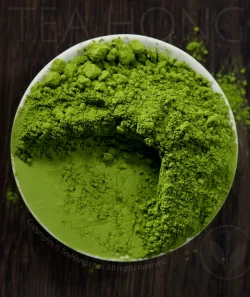
Ise Matcha Mugetsu, 30 g
Cold Energy, Fuller Bodies, Green teas, Japan, Lighter Aromas, TeaUS$24.3伊勢 御濃茶 夢月
Master ceremonial grade at great value
If you are beyond those matcha lattes or smoothies and want to experience the virtues of a pure matcha, begin with a more genuine quality. One that is from the leaves of the Asahi and Gokou cultivars and that are properly shaded-grown and processed, i.e. from a high quality tencha for the umami, creaminess, low astringency and vibrant green colour. And that is slowly and finely ground to the smooth powder form for untainted purity and silkiness. Presenting Tea Hong’s Ise Matcha Mugetsu, a great value premium selection that is suitable for making either usucha in a chakai or koicha for a chaji ‘tea ceremony’. Even if you are not into those Japanese style tea gatherings, a properly whisked bowl of a fine quality matcha without the masks of foamed dairy is a sheer moment of peaceful happiness in itself.
 Net weight: 30g (1.06oz) in double-lidded tin
 -
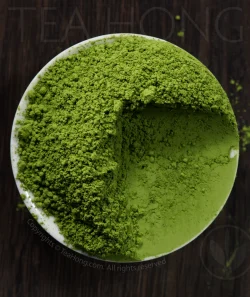
Uji Organic Matcha Sasameyuki, premium ceremonial grade, 30 g
Cold Energy, Fuller Bodies, Green teas, Japan, Lighter Aromas, Organic teas, TeaUS$24.3宇治 有機 抹茶 細雪 (濃茶)
The best tasting organic matcha we have sampled
While there is no shortage of organic products in the market, getting one that offers the right taste is the most difficult part. That’s why we focus our effort in the mecca of top quality Japanese tea — Uji — to satisfy the different needs of different patrons. While a true connoisseur would want to indulge in the pure and rich flavours typical of a finest matcha, a Zen drinker needs a medium to open windows to the inner soul through the intricate yet solid presence of a tranquillising aftertaste. And then there are those who just want a top quality as their drink ingredient. The patrons in a most exclusive hotel in London seem to agree. We send more of this tea to their discretely beautiful tearoom and cafe than any other varieties. Tea Hong’s Uji Matcha Sasameyuki is the best quality organic production from the same tea master team who directs the quality of our top master grade Uji Matcha Tokumukashi. Their production facility in Higashiyama in Uji is certified for the strictest international food safety standard FSSC22000, and for organic production by Japan Organic and Natural Foods Association (JONA) under the Japanese Agricultural Standards (JAS).
Net weight: 30g (1.06oz) in double-lidded tin -
Sold out

Uji Gyokuro Yayoinoin, national competition production, 25 g / 60 g
Cold Energy, Fuller Bodies, Green teas, Japan, Lighter Aromas, TeaPrice range: US$33.2 through US$57.9品評会出品 宇治玉露 弥生の韻
In their small but well organised production workshop in Uji, Master Yoshida and his team carefully sample taste each batch of tea throughout its production process. It is his own reputation that is at stake. As a multiple award winning 16th generation gyokuro master, pursuit for quality is the only way to maintain this honour, and that of his family name. Only the best first flush leaves are selected for processing in this highly specialised workshop. Each step of the processing is monitored and adjusted on the spot for maximising the taste quality. Differences in the weather throughout the growth of the harvest and even the picking time and conditions affect the biochemistry of the leaves. For a green tea, this directly affects the final taste. Adding one degree in heating or a few minutes of baking to optimise the potential of each batch of leaves can therefore mean whether the tea will be good or distinctively superb. Tea Hong’s Uji Gyokuro Yayoinoin is one of these ultimate quality, limited quantity batches hand-rolled by the Master himself, and that we have secured before the annual tea competition. (We wouldn’t be able to offer it if we buy it afterward when it wins. Domestic demand for an award tea is huge even when the price skyrockets upon winner declaration.) Available in 25g (0.88oz) in a double lidded tin, or in 60g (2.1oz) in a kraft-alu pillow pack. Please click below to choose.
 -
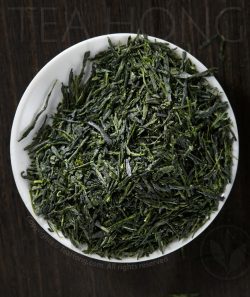
Ise Gyokuro Chikusen, 60 g
Cold Energy, Fuller Bodies, Green teas, Japan, Lighter Aromas, TeaUS$37.3伊勢 逸品玉露 竹仙
Compared to Uji or even Kyushu, the region of Mie is much less talked about as one of the first major tea production areas in Japan. Yet it is still as important a source for high end classical Japanese green tea. Many big brands come here to OEM their products, some even claiming them as from some other more popularly known origins*. That is why we buy directly from the producers here. It is quality that matters to us after all. We have screened the best tasting teas for our offers and Tsutsumi sensei's teas most often come up on top. I guess he was not buffing when he said, “the demand is getting crazy…” Tea Hong’s Ise Gyokuro Chikusen is Tsutsumi sensei's top quality green tea from this most sought after production farm in Mie. In Japan, teas from Mie and neighbouring areas are generally referred to as Ise teas. We follow that local practice. The soft, supple, umami and slightly floral characteristics of a good value gyokuro like this is an optimum choice for receiving guests of all levels of tea appreciation skills, or for that special tranquil moment that you can retreat your overloaded mind to. Net weight: 60g (2.1oz) in Kraft-alu pillow
 -
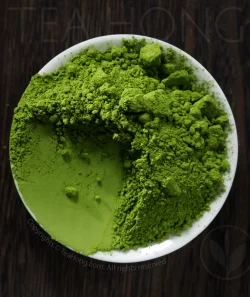
Uji Matcha Tokumukashi, ceremonial master grade, 30 g
Cold Energy, Fuller Bodies, Green teas, Japan, Lighter Aromas, TeaUS$24.9宇治 御濃茶 徳昔
Traditional stone-ground matcha
You do not have to be a Japanese tea master to enjoy this exceptional matcha, nor reserving it only for that serious tea ceremony. Simply get a respectable tea bowl, whip it optimally, and relax with the gently roasted, consoling fresh aroma. Roll its full, layered and yet subtle umami taste in your mouth. Let that few seconds of sipping transcend into a peaceful hour, or at least a window for serenity, even at a clustered desk or a jammed kitchen table. Just the whipping of that pure, luxuriously intense greenness of the tea is mesmerising in itself. The tradition of competing to yield the most tasteful cup of the purest and most intense colour is still valid and as meaningful today as it was 12 centuries ago. This stone-ground production continues this precious heritage. However, the centuries of horticultural evolution coming to the hands of our tea masters in Uji give us a superb quality that is possible only today, and that would be envied by daimyos feudal lords and their chajins tea masters. Produced in Higashiyama by a team led by Shimada sensei, a regular winner of Uji Tea Quality Competition under Japan’s Ministry of Agriculture, Fisheries and Forestry Award, Tea Hong’s Uji Matcha Tokumukashi is a top choice as a koicha (濃茶) for chaji (aka formal chado tea ceremony). For us, it is a natural choice for enjoying a finest taste in green tea.
Net weight: 30g (1.06oz) in double-lidded tin -
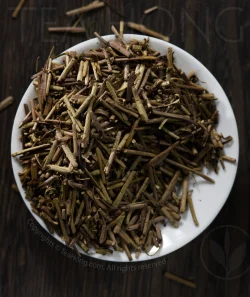
FIR Boucha, far-infrared roasted petiole houjicha, 40 g
Green teas, Japan, Lighter Aromas, Milder Tastes, Neutral Energy, TeaUS$16.8遠赤外線焙煎 深煎り棒茶
An old style petiole tea much elevated using modern technology
Much like roasting green coffee beans to give a warm, brown liquor, a houjicha is a green tea that is deep roasted. Unlike in China or Taiwan, where a large variety of oolongs and black teas are there readily to choose from for deep baking or roasting, producers in Japan mostly have only green tea to work with. While it sounds straight forward, to find one which taste is respectable is not easy. The very brittle nature of Japanese green tea leaves will become ash when deep roasted. Often larger, older and underprocessed leaves are used and the final quality reflects that. There is one kind of houjicha, however, that caught our attention: that from purely tea petioles — Boucha. Much like in our Karigane where the relative higher cellulose and carbohydrate contents in the petioles gives a sweeter and a relatively more complex dimension, this far infrared deep roasted version of purely small leaf stalks does have a pleasantly warm and tidily intact taste profile. My first encounter with something similar was a small cup served after a luxurious crab kaiseki meal in a pristinely beautiful traditional formal style restaurant. It was quite an impressive surprise. To me, this easy going tea doesn’t have to be enjoyed only after an expensive meal. It can be easily infused using a hot or cold infusion method and it is quite forgiving of irregularities. It suits a lot of occasions where tea is a complement. And it is a nice one.


 Net weight: 40g (1.4oz) in Kraft-alu pack
 -
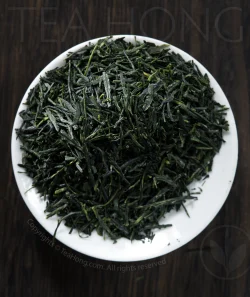
Kabusecha Gyousei, shade grown green tea, 60 g
Cold Energy, Fuller Bodies, Green teas, Japan, Lighter Aromas, TeaUS$18.8伊勢かぶせ茶 暁星
If a traditional style sencha is a little too brisk for you but you feel needing a bit more zest than a gentle gyokuro, try a kabusecha — a tea made from shaded grown bushes much like a gyokuro, although shaded only for half the time. That gives you less of that extra umami, and relatively more of those tea polyphenols for that slight bite and a little more refreshing sensation that you maybe after. Tea Hong’s Kabusecha Gyousei is a top quality selection of this variety. It is produced by Yoshie san’s farm, the same that gives us Ise Gyokuro Mugetsu. Their farm is one of the best in that region, which is popular in the tea trade for shaded grown tea for the production of gyokuro, kabusecha and tencha for producing matcha. Net weight: 60g (2.1oz) in Kraft-alu pillow
 -
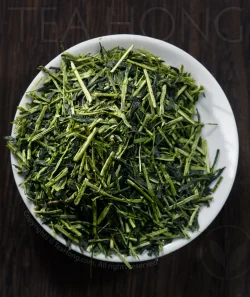
Karigane Gyokuro, a very special kukicha, 120 g
Cold Energy, Green teas, Japan, Lighter Aromas, Milder Tastes, TeaUS$23.8雁が音 - 白折玉露
When the umami, round and refreshing taste of a good Japanese green tea is desired for a party, or for a casual whole day drink, a good quality kukicha is a popular alternative. Like all other kukicha, or shiraore (another popular name of this tea variety), or karigane, Tea Hong’s Karigane Gyokuro is also produced from leaf stems. There is, however, a significant difference. It is produced as a by product of top quality gyokuro, making it sweeter, softer, a lot more savoury, and as refreshing. Like almost all petiole teas, it is more tolerant of infusion discrepancies, making it a great choice for both green tea beginners and as a daily or party drink. It is a great value alternative to gyokuro. Since a large portion of the leaves are replaced with the leaf petioles, this tea is relatively lower in caffeine too.* Net weight: 120g (4.2oz) in Kraft-alu pack -
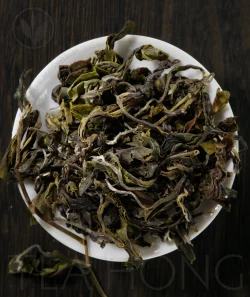
GABA Bouquet, a special white tea, 40 g
Floral Aromas, Fuller Bodies, Neutral-Cool Energy, Organic teas, Taiwan, Tea, White teasUS$20.4天然培育 伽瑪芳香白茶
A very rare white tea
Mr Yu rarely wears shoes and walks in his little tea fields barefooted. He loves the contact with the soil that he keeps so naturally fertile, and uncontaminated. So much so that we smell the sweetness walking into his garden. He brews his own fertilisers and devises various ways of natural pest control. He is so into natural farming that a national university has setup quite a few joint projects with him. He totally worships Nature but his hobby is mechanical engineering. He proudly showed me the GABA deoxygenation tank that he modified and explained to me how it is better in processing the tea. Tea Hong’s GABA Bouquet is an invention by him. I have yet to find another tea with this kind of fruity bouquet, smoothness and even a good umami tone. He tried quite a few times before arriving at this distinctive taste quality. This is a rare batch and we can only restock when everything will work the same in the next production. It’s all dependent on Nature after all.


 Net weight: 40 g (1.4 oz) in Wide kraft-alu pack
 -

North Peak, deep baked Taiwan oolong, 70 g
Fuller Bodies, Lighter Aromas, Neutral-Warm Energy, Oolongs, Organic teas, Taiwan, TeaUS$25.1天然培育 深焙北山武夷烏龍
A Wuyi reborn in Taiwan
In Taiwan, besides the famous tea mountain of Dong Ding (Cold Peak), there are actually many other areas where the horticultural conditions are good for finer tea production. Such as the Bei Shan (i.e. North Peak) area that is has an 1,100m altitude and near the centre of the whole Taiwan Island, in Nantou County. The Tsai family does not have the resources to get an international organic certification, but they run the farm according to organic practices with the help of the local university, much like Master Yu who makes our GABA teas. Tea Hong’s North Peak is an oolong optimally deep baked for aroma and caramelisation. It is produced by the Tsai family using a Wuyi Shuixian cultivar that is localised and quite different from any Wuyi oolongs from Wuyi. You will find it softer and slightly sweeter. Interestingly, that is very much a Taiwan style, gentler in every way. Net weight: 70 g (2.5 oz) in Kraft-alu pillow pack
 -
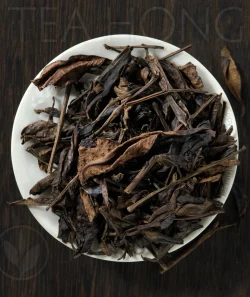
Phoenix Petioles 1988, matured leaf stalk oolong, 40 g
Fenghuang | Phoenix, Fuller Bodies, Neutral Energy, Oolongs, TeaUS$20.1私藏 陳年鳳凰莖茶
Phoenix tea farmers’ tea
In Phoenix, before a tea goes through the last round of baking to be ready for consumption, it is sorted manually to get rid of the leaf stalks (i.e. petioles), broken leaves, and other leaves that are not as nicely rolled or processed as the others (aka Yu Ye). The producer retains such “refuse”, rebakes it and keep it for personal use or give it out to their neighbours and relatives. They call it cha tou or thê-tao in the local language, as in “Tea Head”*. Provided the right quality, the taste of thê-tao, despite their irregularity in appearance, is actually sweeter and softer than the leaf tea from the same plant and a lot more flexible and tolerant with brewing mistakes. Presenting Tea Hong’s Phoenix Petioles 1988, a thê-tao collected between 1985 to 1988 by our top Phoenix producer. Because of the decades long maturity given onto the tea, it exhibits a post-fermentation characteristics somewhat alike those of finer shu cha Pu’ers — earthy, woodsy, herbal and pacifyingly herbal sweet, combined with an underlying and unmistakable matured Phoenix undertone. A unique taste experience unlike anything else.

 Net weight: 40 g (1.4 oz) in Kraft-alu pack
 -
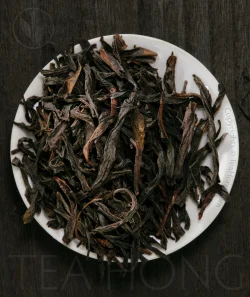
Honey Orchid XO 1992, matured Phoenix Dancong oolong, 50 g
Fenghuang | Phoenix, Fuller Bodies, Neutral Energy, Oolongs, TeaUS$27.8特醇鳳凰單樅 陳年蜜蘭香
A local tea master's special reserve
In the Phoenix Mountain area, where some superrich and those in powerful positions would send their chauffeurs to collect teas from certain tea farms at hundreds of thousands per kilo even when the tea is barely baked after processing, there are certain farmers whose own personal tea is never this “fresh”. They actually store their tea in tight tins for many years before opening it again for their own private enjoyment. This practice is more common amongst older farmers, and in other oolong regions as well. It is believed that Phoenix oolongs having been matured for decades are friendlier to the stomach. Although they would not be as as bright, floral or vibrant as younger ones, they are overall a lot more soothing, calming and indeed, comforting. Tea Hong’s Honey Orchid XO (Extra Old) 1992 delivers a much softer, smoother body with that signature honey sweetness but in the warm humbleness akin to a very fine shu cha Pu’er. If the other fresher Honey Orchid we offer is a Van Gogh, this XO version is a Rothko, metamorphically speaking*. Net weight: 50 g (1.8 oz) in Kraft-alu pack
 -
Sold out
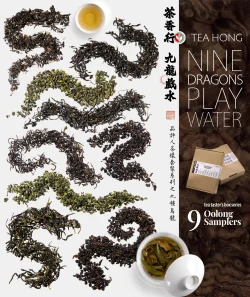
Tea Taster’s Box: Nine Oolong Samplers
Home, Oolongs, Tea品評人茶樣套裝系列US$42.3九龍戲水
9 dragons play water
Nine varieties selected from Tea Hong’s extensive oolong repertoire for celebrating the great diversity in this most vibrant tea category, the Nine Oolong Samplers Tea Taster’s Box is for anyone who would like to explore the true quality, true taste of the different natural taste profiles of these 9 representative selections. The original category name — oolong — was romanised from a Southern Chinese language, likely in one of the Cantonese dialects widely spoken amongst tea traders who travelled between the Xiamen-Chaozhou areas and the export port of Canton. In the original language, the term simply means “black dragon”, a fancy way to depict the earlier shape of the oolong tea leaf — a swirly form rather like the mystic animal motif found in many traditional crafts. Hence the Chinese name of this product, Nine Dragons Play Water. Indeed to experience the possibilities of any one single selection, steeping the tea using various methods, parameters and even infusing vessels would give a different result. There maybe many reasons why people can be so attached to this tea category, but perhaps this “playing” with the tea and water is one. Contents: 9 individual packs, total tea net weight: e 80 grams
