

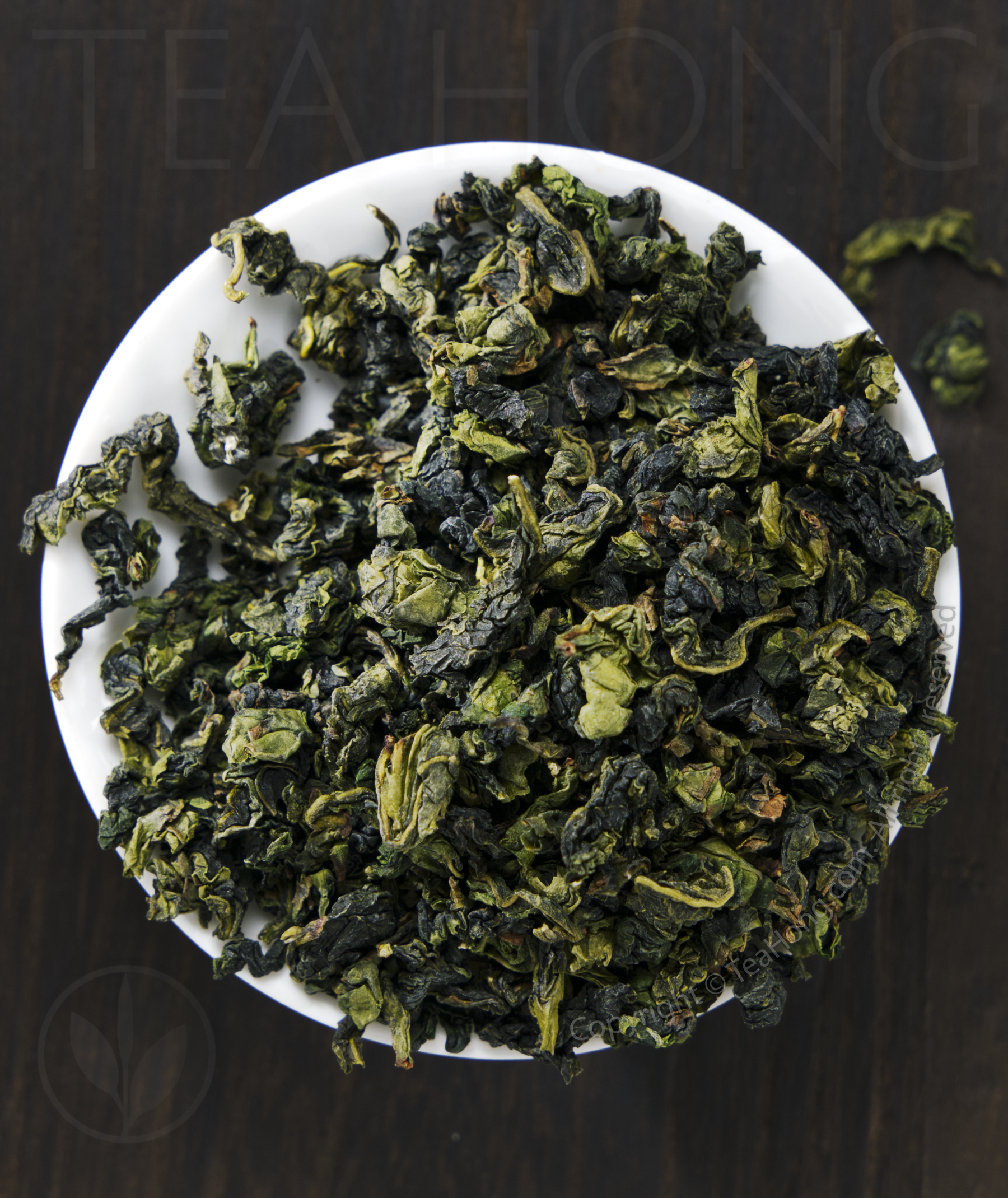
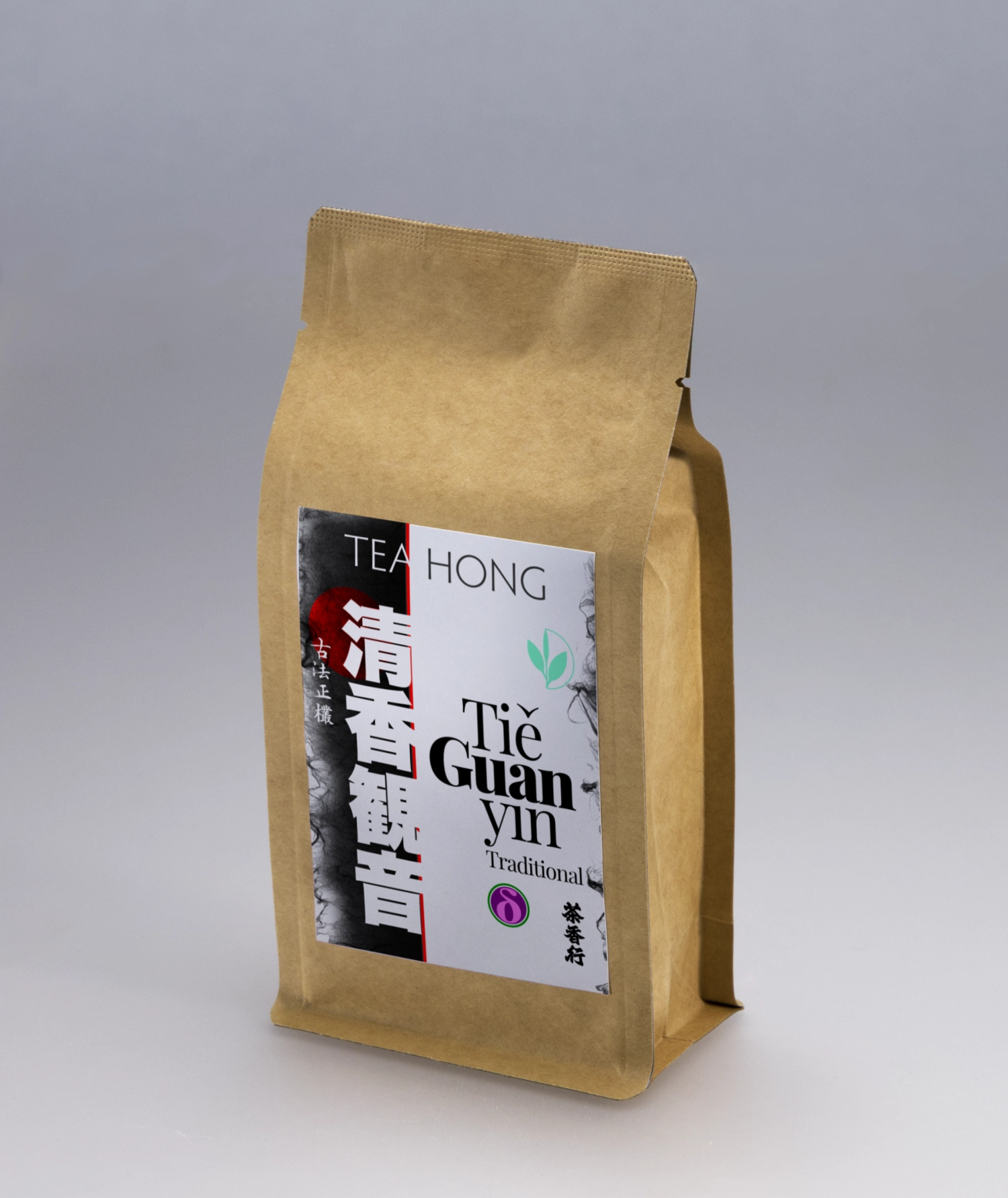
Tieguanyin Traditional, bouquet oolong, 80 g
US$28.8
excluding tax and tariff
西坪正欉 古法清香鐵觀音
Original Tieguanyin Cultivar
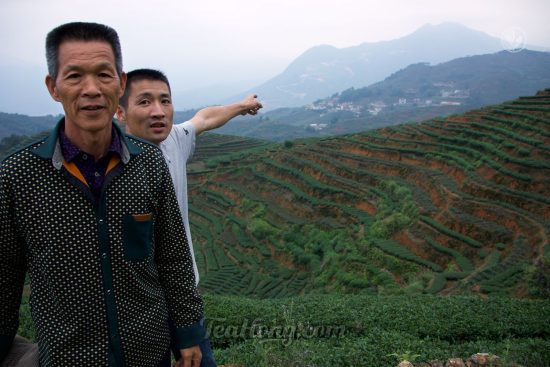
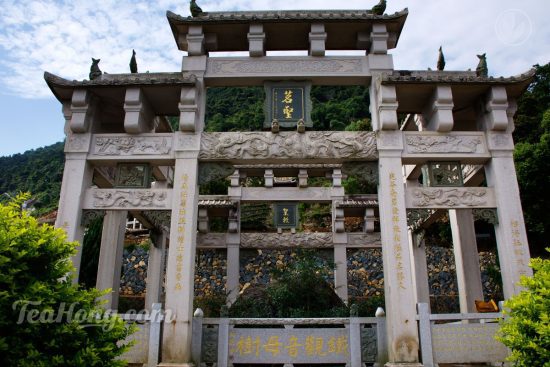
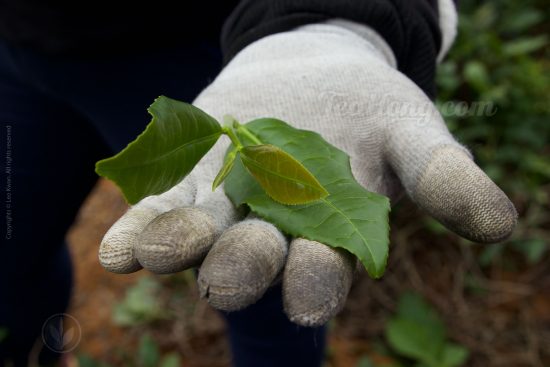
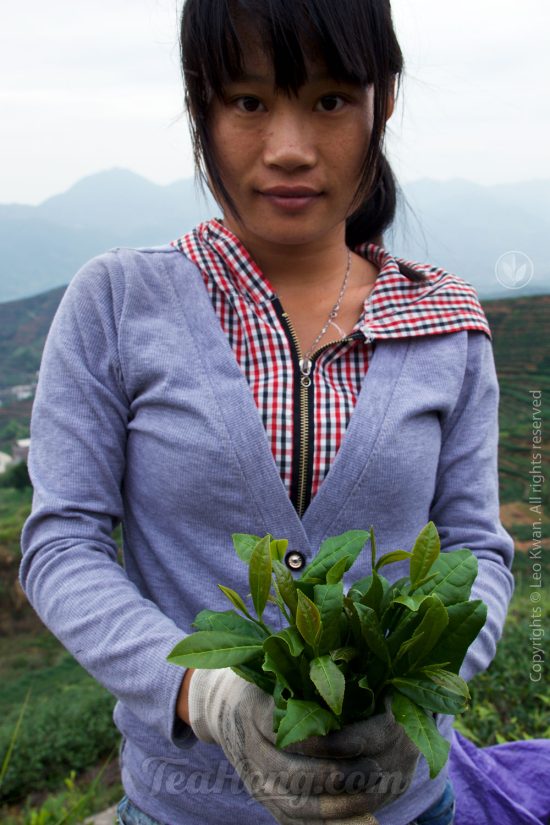
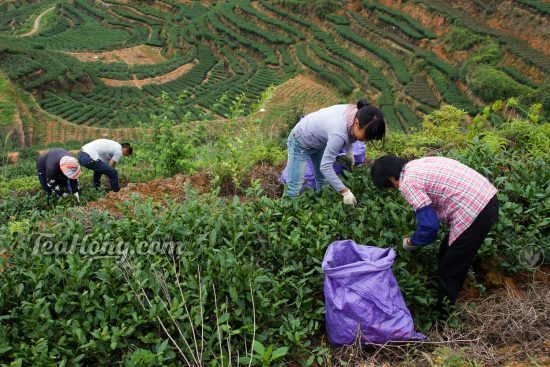
To old time aficionados, tieguanyin is not just about floral aroma. They seek yun-wei, which can be roughly translated as “lingering taste of various tones and accents”. For the right yun-wei, we went to the origin of tieguanyin for a fourth generation farm high in altitude. Tea Hong’s Tieguanyin Traditional is produced from a particular patch where only matured shrubs of the thorough-breed cultivar grow and are harvested only once year. This is to ensure maximum amount of taste and salutary substances are stored in the young leaves for subsequent mastery processing for the wonderful lingering taste of various tones and accents. Like a fine old style tieguanyin should be.


Net weight: 80 g (2.8 oz) in Kraft-alu pack
In stock

⇣Click to see related items
-
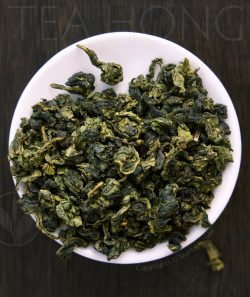
Tieguanyin Floral, bouquet oolong, 80 g
Cold Energy, Floral Aromas, Milder Tastes, Minnan/ Mindong, Fujian, Oolongs, TeaUS$18.3
Tieguanyin Floral, bouquet oolong, 80 g
Cold Energy, Floral Aromas, Milder Tastes, Minnan/ Mindong, Fujian, Oolongs, TeaUS$18.3花香滿樓 頭春金觀音
A very fragrant Jin Guanyin
While some people like their Tieguanyin subtle and long like it used to be traditionally, some others want it to be more floral. So we give you Tieguanyin Floral, a very bouquet version of this popular oolong. The cultivar is Jin Guanyin ( aka Golden Tieguanyin ), a child between the traditional Tieguanyin plant and a relatively newer bleed, Huangjin Gui *. While the latter is widely used as a substitute for the genuine Tieguanyin for its pleasing nose, it lacks the body and length of the real thing. The resultant hybrid, however, has the best of both parents. The terroir is in Xianghua, a mountainous area in the Anxi county in the subtropical southern part of Fujian, where the best Tieguanyin is produced. This tea is also available in a small portion as a part of Tea Taster’s Box: Nine Oolong Samplers.


 Net weight: 80 g (2.8 oz) in Kraft-alu pack
 -
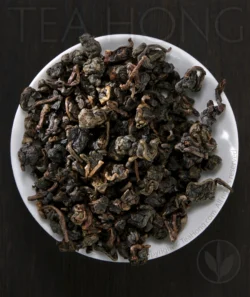
Muzha Tieguanyin, deep baked Taiwan oolong, 60 g
Fuller Bodies, Oolongs, Stronger Tastes, Taiwan, Tea, Warm EnergyUS$36.8
Muzha Tieguanyin, deep baked Taiwan oolong, 60 g
Fuller Bodies, Oolongs, Stronger Tastes, Taiwan, Tea, Warm EnergyUS$36.8慢火深焙 木柵觀音
Vintage 2023
Over a century of development since the cultivar’s transplant to Taiwan, tieguanyin produced in the beautiful emerald island is quite different from its cousin in China. Not only has the cultivar evolved differently, but also the continual local development of the authentic technique with which it is produced. Grown in the more conducive terroir of Muzha in the Wenshan area, the leaves here afford a deeper oxidation for a more complex profile even after the traditional deeper baking process. We have picked a premium Spring harvest for Master Chen, our close friend, for her impeccable baking skills to complete the making of Tea Hong’s Muzha Tieguanyin as a superior classic.


 Net weight: 60 g (2.1 oz) in Kraft-alu pillow
 -
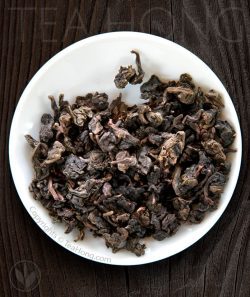
Tieguanyin Classic, deep baked oolong, 120 g
Denser Aromas, Minnan/ Mindong, Fujian, Neutral-Warm Energy, Oolongs, Stronger Tastes, TeaUS$27.0
Tieguanyin Classic, deep baked oolong, 120 g
Denser Aromas, Minnan/ Mindong, Fujian, Neutral-Warm Energy, Oolongs, Stronger Tastes, TeaUS$27.0陳年 竹籮碳火 慢焙鐵觀音
Bamboo basket charcoal rebaked
We have matured this special batch of tieguanyin for long enough before double baking it the traditional way in a bamboo basket with charcoal ash. To attain an ideal result from this traditional practice requires proper conditioning and in-depth know how. Tieguanyin Classic is one of Tea Hong's best value oolongs. Enjoy the warm, soothing aroma as hot water touches the leaves. Then the characteristic tastes of a classic tieguanyin delivered in a round, smooth body with a unique sweetness. This tea is also available in a small portion as a part of Tea Taster’s Box: Nine Oolong Samplers.

 Net weight: 120 g (4.2 oz) in Kraft-alu pack
 -
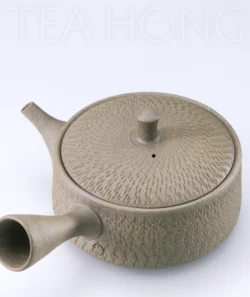
Hirotaka Umehara: Columnar Tobikanna Kyūsu
Japanese chachū (kyūsu), TeawareUS$91.0梅原 廣隆 玉光焼〆切立飛びカンナ急須
Artist: Hirotaka Umehara Pot capacity: 160 ml Pot diameter: 9.5 cm Pot opening diameter: 7.5 cm Pot height, including the lid button: 6.5 cm Material: high temperature fired beige clay Net weight: 236 g Origin: Tokoname, Aichi, Japan Packing: Cushioned carton box*note: the photo with a hand holding the teapot is intended for the viewer to relate to the size of the piece. It is not meant as a reference for any proper handling style.
Taste profile
Nose: Crisp, fresh bouquet with buttery undertone. Refreshing overtone that reminds one of the after-rain air in high mountain forrest. Light accents of oatmeal cookies and the root of Mongolian milkvetch. Palate: Smooth, yet brisk body of silky tactility. Floral with undertone of Job’s tears and hints of herbs. Bright, earthy accents. Finish: Long, lively and malty aftertaste with light, creamy sweetness.
Infusion tip
A fine tieguanyin such as Tea Hong’s Tieguanyin Traditional is not meant only for gongfu style infusion, although many prefer it that way. Brewing it in the large teapot in conventional approaches also give you remarkable results. Always blanch it very quickly before infusion for maximum enjoyment.
Recommended temperature 85°C or above.
Please note that the dry leaves are quite tightly rolled and therefore heavier than the average loose leaves. Familiarise yourself with the tea basing on weight to water volume ratio.
For an old tea aficionado like Leo, he does 9g to 120 ml water at 85°C for 1 min+, and slowly increasing the infusion duration in each subsequent round. And sometimes after a long day, 90 sec in the initial round of infusion for a really dense brew.
How to tell a genuine Tieguanyin Traditional
For more details, please read How to Read a Tieguanyin Tea Leaf at Tea Log, our blog. While you are there, see also some nice pictures in Traditional Tieguanyin Tea Farm.
Additional information
| Shipping Weight | 90 g |
|---|---|
| Dimensions | 18 × 9 × 5 cm |
| Net weight: | |
| Tea category: | |
| Class: | |
| Recommendation: | |
| Origin: | |
| Packaging: | |
| TCM character: | |
| Infusion color: | |
| Vintage |
2 reviews for Tieguanyin Traditional, bouquet oolong, 80 g
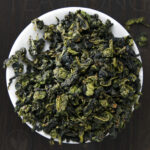 Tieguanyin Traditional, bouquet oolong, 80 g
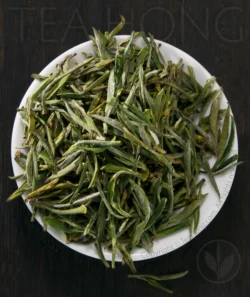
Huangshan Maofeng Supreme, traditional green tea, 40 g / 70 g
Cool Energy, Green teas, Huangshan & Anhui, Lighter Aromas, Milder Tastes, Tea黃山毛峰 明前嫰芽
Pre-Qingming Maofeng:
Huangshan (translate: Yellow Mountain) is an UNESCO World Heritage Site and a China national conservation. Besides beautiful sceneries, it is also the origin for many a fine teas, such as Huangshan Maofeng. The tender young leaf shoot to make Tea Hong's Huangshan Maofeng Supreme is always plucked with one or two tiny immediate leaves before Spring Equinoix, and always before Qing Ming. Always from the few small family tea farms in the high mountains that we buy from. It is a rare quality even in the market in Huangshan, and if you ever found it, would be at a much higher price. Working directly with producers is a principal at Tea Hong. While offering quality at a reasonable price is one immediate benefit that you as a consumer can enjoy, there are more important reasons and not so immediate results that we aim at. Your patronage means great support for our cause.

 Two pack options available, 40g or 70g net weight, please choose at below: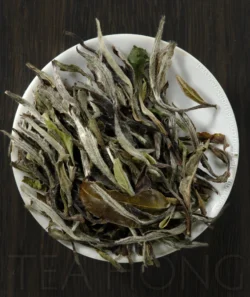
White Peony Classic Floral, traditional white tea, 40 g
Cool Energy, Home, Lighter Aromas, Milder Tastes, Minnan/ Mindong, Fujian, Tea, White teas明前 福鼎牡丹王
Finest Fuding Bai Mudan
Slowly cured in the grand tradition in the origin of white teas, Fuding, Tea Hong's White Peony Classic Floral maintains the original character of floral aroma with a sweet, refreshing taste. White Peony Classic Floral is a first flush from a high altitude garden of pure Fuding Daibai cultivar, ensuring the best possible health potency of white tea. We have matured the current batch since Spring 2019 in our environment to ensure the best possible gastronomic experience.
 Net weight: 40 g (1.4 oz) in wide kraft-alu wide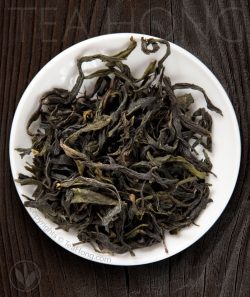
Shiguping Wulong, rare Phoenix oolong, 40 g
Fenghuang | Phoenix, Fuller Bodies, Lighter Aromas, Neutral-Cool Energy, Oolongs, Tea鳳凰隱世珍品 極限量 石古坪烏龍
Rare Indigenous Cultivar:
To us, offering the extremely rare Shiguping Wulong is not a challenge enough. We think we should give you the best of its kind. Trekking further deep into the mountain above the elusive main village of Shiguping, we found the patch of land which the locals called Liao-xi-ya, where it all began. The tea is softer, yet fuller and even more complex than that in the main village. The very original Shiguping Wulong*, as highly acclaimed by the man who devoted all of his life in advocating oolongs of Phoenix, the 74 years-old tea specialist Huang Bozi.

 Net weight: 40 g (1.4 oz) in Kraft-alu pack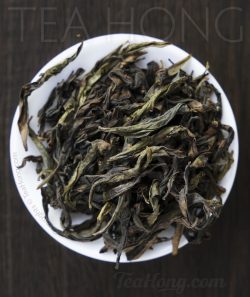
Cassia Extraordinaire, Wuyi yancha oolong, 40 g
Floral Aromas, Fuller Bodies, Neutral Energy, Oolongs, Tea, Wuyi-shan武夷岩茶、清香新品肉桂
Tea Hong’s Most Bouquet Wuyi Oolong
Great discipline in the use of fire distinguishes Cassia Extraordinaire from most other Wuyi varieties with a supple, deliciously floral and delicate scent balanced with a full, lively body. Thanks to this masterful baking, this lighter style Wuyi oolong keeps well and improves with extended storage, as it should traditionally. This is our most “bouquet” style Wuyi oolong, being on the other end of the scale as the deep baked classic style Cassia Classic or Red Cloak Grande in Tea Hong’s proud Wuyi repertoire. Net weight: 40 g (1.4 oz) in Kraft-alu pack
(Spring 2025 batch)
This is a vibrant but balanced green Tieguanyin, in my humble opinion. There’s plenty of the distinctive smell and taste I associate with the cultivar– which I’d personally call a “tart fruit” note, but others might find more floral –but it’s not the tea’s only merit. There’s some sweetness that reminds me of a good Taiwanese oolong, the tea has good body, and both the initial rinse and “stewed leaf” steeps after the tea has given its best are pleasant to drink. And at no point does the brewed infusion smell like a bubble bath, even at questionably high ratios. (If that sounds like a non-sequitur to anyone reading, I hope you continue to successfully avoid questionable tea.)
Wow, what a lovely and thoroughly enjoyable Tieguanyin. It’s very high quality with a humble price tag – if you want a daily drinker that feels more like a luxurious treat, this may be the perfect option for you. One could easily pay twice as much from a different vendor and receive something half the quality as this.
This tea is very balanced, it has an excellent mouthfeel and smooth floral qualities that do not feel overly “green” or “raw” at their core, like so many other Tieguanyin do. The aftertaste sits very nicely in the back of the throat and lingers for a while, as all good Tieguanyin should.
Oddly enough, I enjoy looking at the leaves after they are brewed. You can tell this is the authentic cultivar, plucked and processed with respect for a craft that brought this oolong into the center stage of a global spotlight.
Tea Hong’s traditional-style Tieguanyin captures the essence of what makes this oolong one of the most sought-after teas in the world, and at a price point that is simply unbeatable.
There is an old Hong Kong saying, “Ng4 paa3 fo3 bei2 fo3, zi2 paa3 ng4 sik1 fo3 — 唔怕貨比貨,只怕唔識貨” — meaning, “(we) fear not of (you) comparing our products with those of others, (we) fear only of ignorance of quality.” The city of Hong Kong began as a trading port in the 19th century. It very soon became a key hub for goods from China, Southeast Asia and around the world. After the taking over of China by the Communists in 1949, the British colony’s trading role became even more important. Competition amongst sellers was keen. This saying was widely used amongst purveyors of top quality products to alert buyers to watch out carefully for inferior quality hidden under a similar appearance or name, or even false claims. Although it had long since became a cliché and forgotten in recent decades, I find the market condition no less confusing, at least in the area of tea.
I am happy that besides knowing your Phoenix oolongs, you also understand a genuine tieguanyin. I hope more people do.
Nowadays, partly due to the indulgence in the overuse of fertilisers, many productions of even authentic tea bushes lack the intricacies of a traditional tieguanyin. Not to mention lowly crossed clones and sloppiness in processing. Respectable farmers and producers are, therefore, precious finds.