

Tieguanyin Traditional, bouquet oolong, 100 g
US$32.8
西坪正欉 古法清香鐵觀音
Original Tieguanyin Cultivar
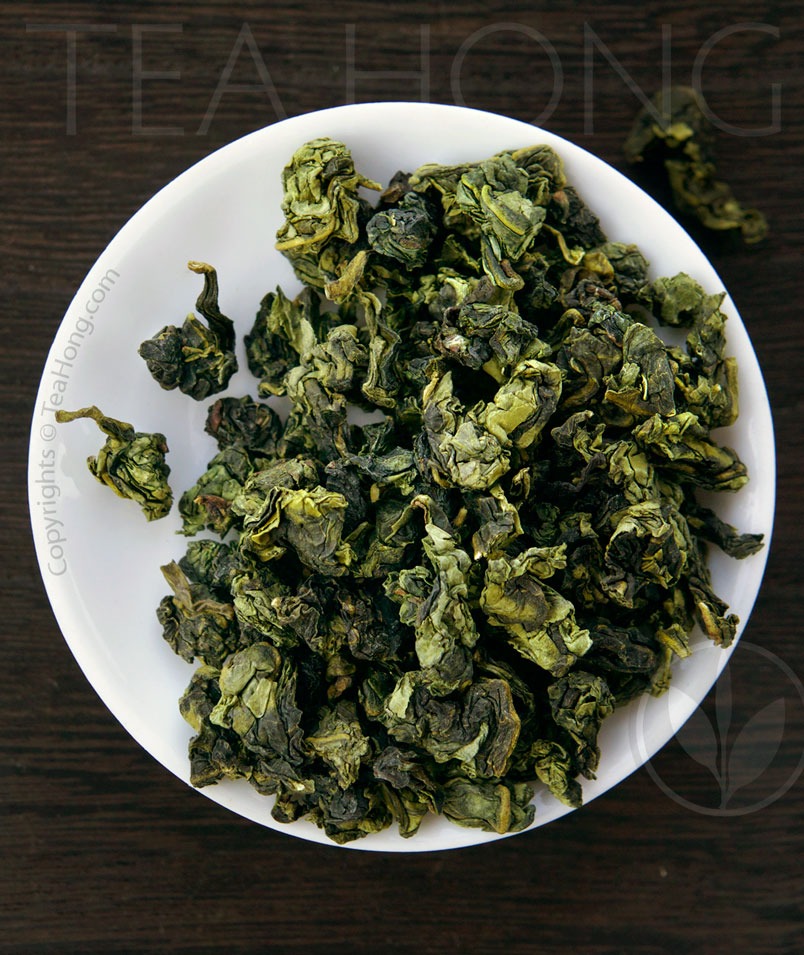
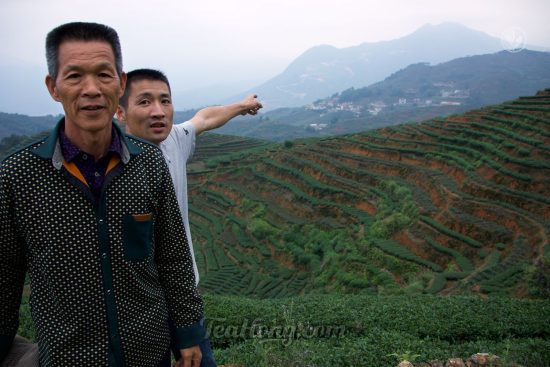
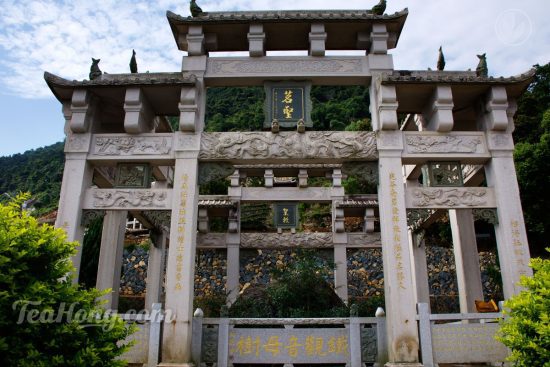
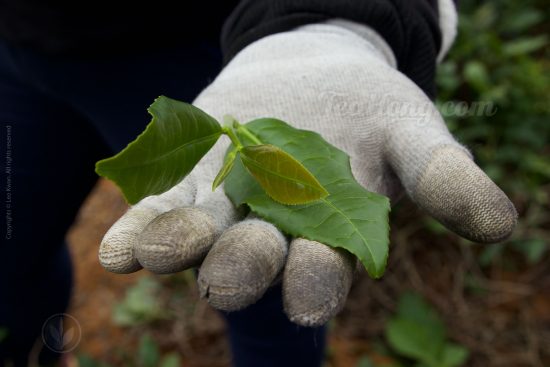
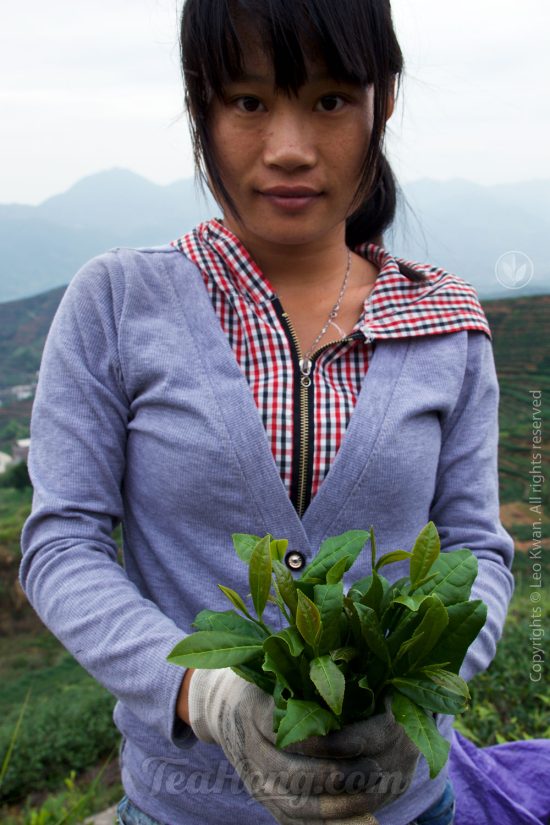
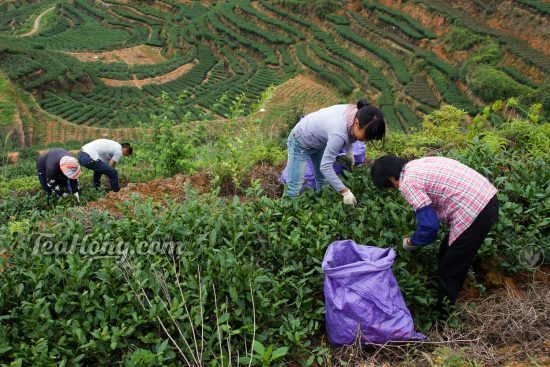
To old time aficionados, tieguanyin is not just about floral aroma. They seek yun-wei, which can be roughly translated as “lingering taste of various tones and accents”. For the right yun-wei, we went to the origin of tieguanyin for a fourth generation farm high in altitude. Tea Hong’s Tieguanyin Traditional is produced from a particular patch where only matured shrubs of the thorough-breed cultivar grow and are harvested only once year. This is to ensure maximum amount of taste and salutary substances are stored in the young leaves for subsequent mastery processing for the wonderful lingering taste of various tones and accents. Like a fine old style tieguanyin should be.


Net weight: 100 g (3.5 oz) in Kraft-alu pack
Out of stock
Taste profile
Nose: Crisp, fresh bouquet with buttery undertone. Refreshing overtone that reminds one of the after-rain air in high mountain forrest. Light accents of oatmeal cookies and the root of Mongolian milkvetch. Palate: Smooth, yet brisk body of silky tactility. Floral with undertone of Job’s tears and hints of herbs. Bright, earthy accents. Finish: Long, lively and malty aftertaste with light, creamy sweetness.
Infusion tip
A fine tieguanyin such as Tea Hong’s Tieguanyin Traditional is not meant only for gongfu style infusion, although many prefer it that way. Brewing it in the large teapot in conventional approaches also give you remarkable results. Always blanch it very quickly before infusion for maximum enjoyment.
Recommended temperature 95°C or above.
Please note that the dry leaves are quite tightly rolled and therefore heavier than the average loose leaves. Familiarise yourself with the tea basing on weight to water volume ratio.
How to tell a genuine Tieguanyin Traditional
For more details, please read How to Read a Tieguanyin Tea Leaf at Tea Log, our blog. While you are there, see also some nice pictures in Traditional Tieguanyin Tea Farm.
Additional information
| Shipping Weight | 110 g |
|---|---|
| Dimensions | 18 × 9 × 5 cm |
| Net weight: | |
| Tea category: | |
| Class: | |
| Recommendation: | |
| Origin: | |
| Packaging: | |
| TCM character: | |
| Infusion color: | |
| Vintage |
2 reviews for Tieguanyin Traditional, bouquet oolong, 100 g
 Tieguanyin Traditional, bouquet oolong, 100 g
Huangshan Maofeng Supreme, traditional green tea, 40 g / 70 g
Cool Energy, Green teas, Huangshan & Anhui, Lighter Aromas, Milder Tastes, Tea黃山毛峰 明前嫰芽
Pre-Qingming Maofeng:
Huangshan (translate: Yellow Mountain) is an UNESCO World Heritage Site and a China national conservation. Besides beautiful sceneries, it is also the origin for many a fine teas, such as Huangshan Maofeng. The tender young leaf shoot to make Tea Hong's Huangshan Maofeng Supreme is always plucked with one or two tiny immediate leaves before Spring Equinoix, and always before Qing Ming. Always from the few small family tea farms in the high mountains that we buy from. It is a rare quality even in the market in Huangshan, and if you ever found it, would be at a much higher price. Working directly with producers is a principal at Tea Hong. While offering quality at a reasonable price is one immediate benefit that you as a consumer can enjoy, there are more important reasons and not so immediate results that we aim at. Your patronage means great support for our cause.


 Two pack options available, 40g or 70g net weight, please choose at below:
Honey Orchid Supreme, classic Phoenix dancong oolong, 40 g
Fenghuang | Phoenix, Floral Aromas, Fuller Bodies, Neutral Energy, Oolongs, Tea鳳凰極品 老樅蜜蘭香
Old Bush Milan Xiang:
For real aficionados who would not be satisfied until they have discovered a deeper depth, a rounder fullness and a more lingering sweetness, we’d go overboard to offer the extreme. Rarest small batches of leaves from special bushes individually processed only by top masters. Such as this supreme quality Milan Xiang Dancong. For those who demand more potential from the leaves for fulfilling their infusion skills. For thirsty souls seeking a moment of tranquility in the depth of the tinkling after-sweetness of Honey Orchid Supreme.


 Net weight: 40 g (1.4 oz) in Kraft-alu pack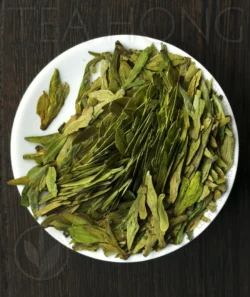
Longjing Traditional Supreme, hand-roasted green tea, 40 g / 70 g
Denser Aromas, Fuller Bodies, Green teas, Neutral-Cool Energy, Tea, Zhejiang經典極品 頭採杭州龍井
Mastery in wok-roasted green tea
The special taste profile of a classic Longjing demands not only a fine harvest from a genuine pedigree, but also the mastery of hand-roasting the leaves. To attain such a skill takes the willingness to endure years of hard practice*. On top of that, a fine Longjing is perhaps the most sought after tea in its native market that is China, and there are people there that are willing to pay thousands for half a kilo of this tea. As a result, good roasting masters are in high demand. A good master producing with top quality harvests is even more rare. To secure a genuinely high quality is therefore a very challenging task. More so at the accessible price we are offering at. Tea Hong's Longjing Traditional Supreme is a proud representation of the best quality of this precious craft, a taste that would have won nobles and mandarins in their tea competition, and when the Qing Emperor Qianlong was still young and flamboyant, and crazy about this tea. Two pack sizes available: 40 g (1.4 oz) and 70 g (2.5 oz) Please check an option below:


White Peony Zhenghe, traditional white tea, 40 g
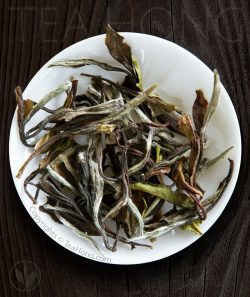
Lighter Aromas, Milder Tastes, Minnan/ Mindong, Fujian, Neutral-Cool Energy, Tea, White teas精選、政和白牡丹
Browner Style Zhenghe Dabai:
Those who prefer white tea as their daily drink but want a bit more stimulations in taste, White Peony from Zhenghe is a great choice. It is air withered for a longer duration from one of the two classic cultivars, Zhenghe Dabai. The resultant tea tastes slightly sharper and longer than white teas produced from the other classic, Fuding Dabai. White Peony Zhenghe is a fine tea that is most affordably priced.
 Net weight: 40 g (1.4 oz) in wide Kraft-alu pack
(Spring 2025 batch)
This is a vibrant but balanced green Tieguanyin, in my humble opinion. There’s plenty of the distinctive smell and taste I associate with the cultivar– which I’d personally call a “tart fruit” note, but others might find more floral –but it’s not the tea’s only merit. There’s some sweetness that reminds me of a good Taiwanese oolong, the tea has good body, and both the initial rinse and “stewed leaf” steeps after the tea has given its best are pleasant to drink. And at no point does the brewed infusion smell like a bubble bath, even at questionably high ratios. (If that sounds like a non-sequitur to anyone reading, I hope you continue to successfully avoid questionable tea.)
Wow, what a lovely and thoroughly enjoyable Tieguanyin. It’s very high quality with a humble price tag – if you want a daily drinker that feels more like a luxurious treat, this may be the perfect option for you. One could easily pay twice as much from a different vendor and receive something half the quality as this.
This tea is very balanced, it has an excellent mouthfeel and smooth floral qualities that do not feel overly “green” or “raw” at their core, like so many other Tieguanyin do. The aftertaste sits very nicely in the back of the throat and lingers for a while, as all good Tieguanyin should.
Oddly enough, I enjoy looking at the leaves after they are brewed. You can tell this is the authentic cultivar, plucked and processed with respect for a craft that brought this oolong into the center stage of a global spotlight.
Tea Hong’s traditional-style Tieguanyin captures the essence of what makes this oolong one of the most sought-after teas in the world, and at a price point that is simply unbeatable.
There is an old Hong Kong saying, “Ng4 paa3 fo3 bei2 fo3, zi2 paa3 ng4 sik1 fo3 — 唔怕貨比貨,只怕唔識貨” — meaning, “(we) fear not of (you) comparing our products with those of others, (we) fear only of ignorance of quality.” The city of Hong Kong began as a trading port in the 19th century. It very soon became a key hub for goods from China, Southeast Asia and around the world. After the taking over of China by the Communists in 1949, the British colony’s trading role became even more important. Competition amongst sellers was keen. This saying was widely used amongst purveyors of top quality products to alert buyers to watch out carefully for inferior quality hidden under a similar appearance or name, or even false claims. Although it had long since became a cliché and forgotten in recent decades, I find the market condition no less confusing, at least in the area of tea.
I am happy that besides knowing your Phoenix oolongs, you also understand a genuine tieguanyin. I hope more people do.
Nowadays, partly due to the indulgence in the overuse of fertilisers, many productions of even authentic tea bushes lack the intricacies of a traditional tieguanyin. Not to mention lowly crossed clones and sloppiness in processing. Respectable farmers and producers are, therefore, precious finds.