

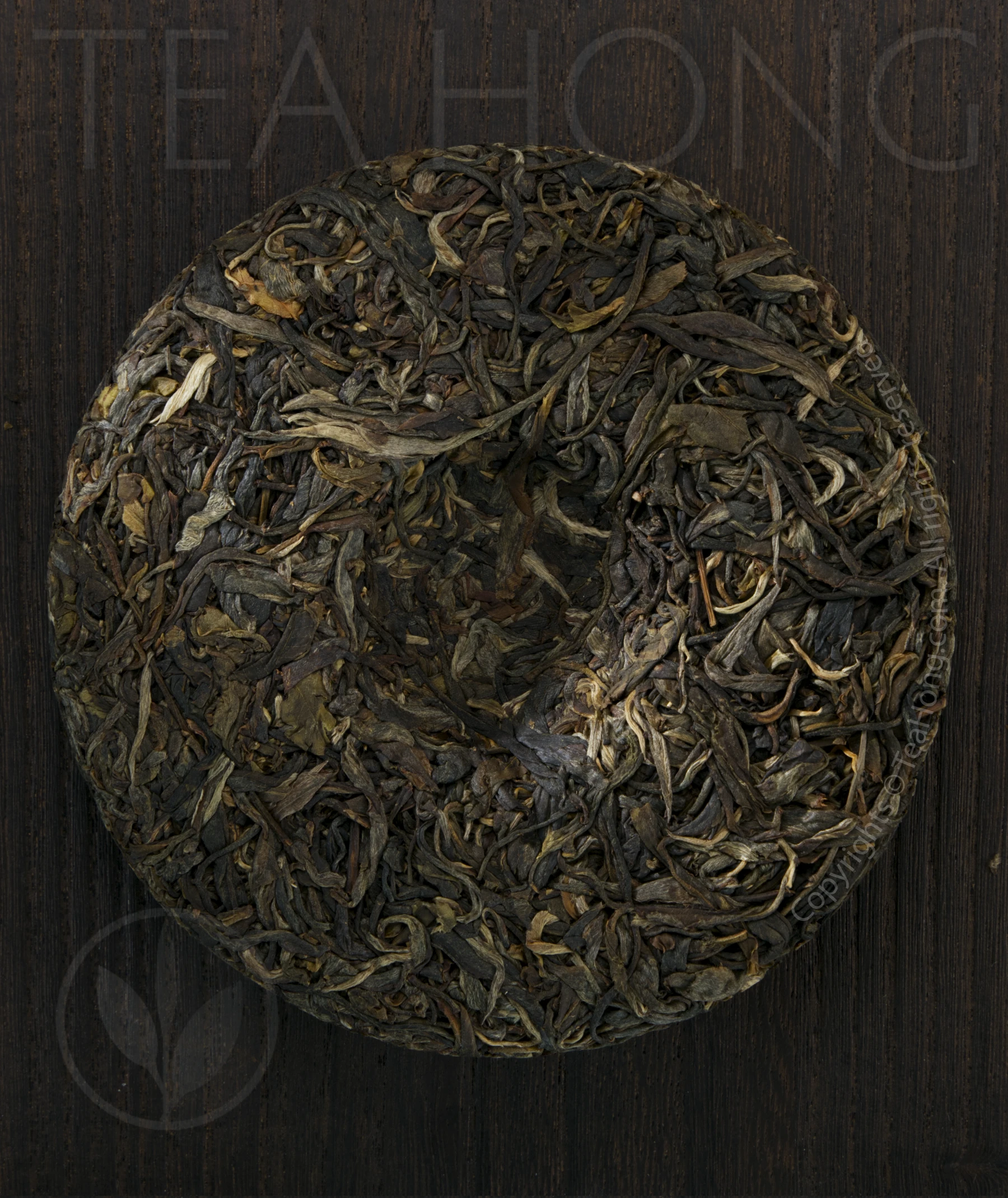
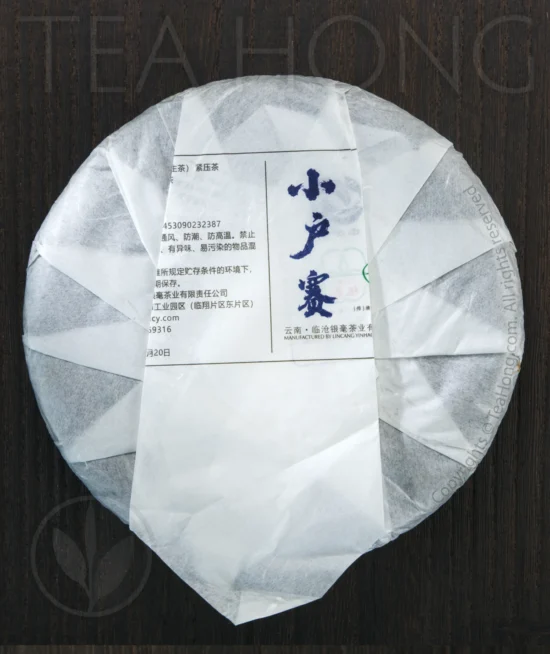
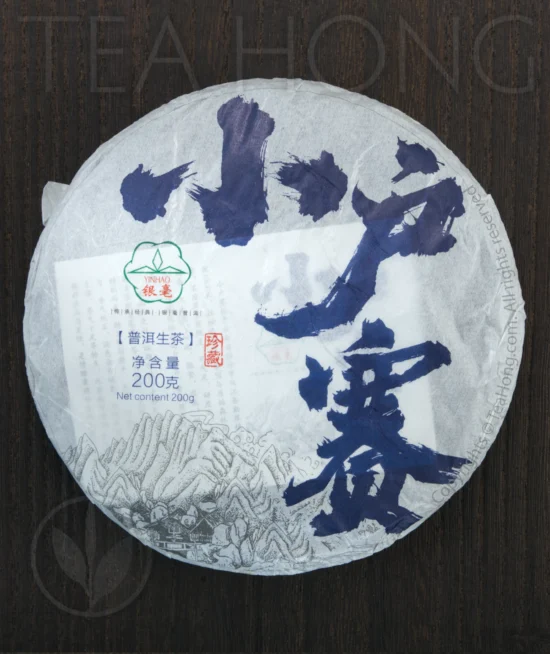
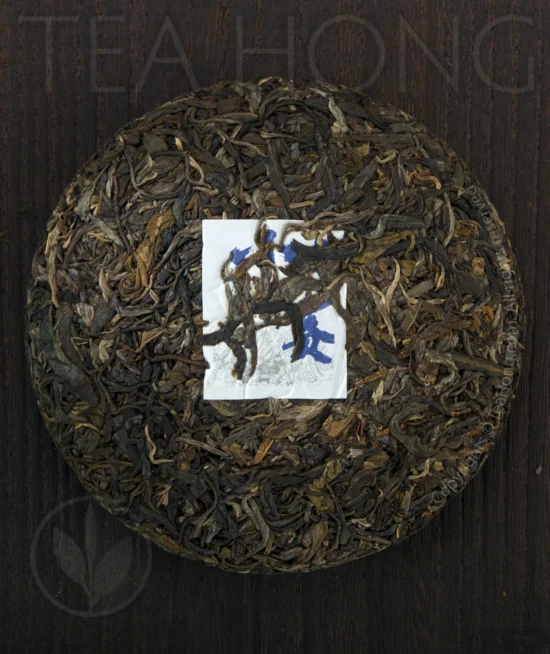
Inner Primeval Earth 2021, aged Xiao Hu Sai shengcha Pu’er cha bing, 200 g
US$31.0
私倉銀毫小戶賽
Inner Primeval Earth* is a small deep mountain settlement where tea trees grow from deep, humus rich ancient forest soil, under the 2,800m mountain ridge on the west of the Lincang region, at about 1,600m. The leaves gathered by the Lahu ethnic tribespeople here offer a uniquely intense and complex taste profile unlike those from any nearby areas. We have aged this small cha bing for 5 years in our unique environment before releasing it online. This way, its potentials are properly optimised for you to manifest its wonders in your own tea preparation setup.


Net weight per discus: 200 g (12.6 oz)
In stock

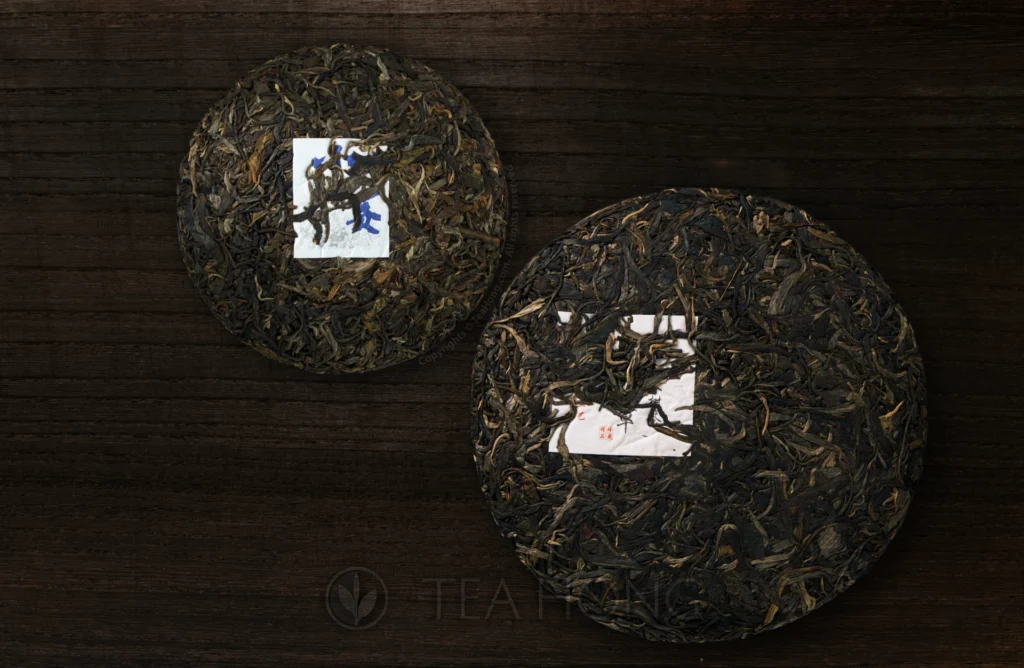
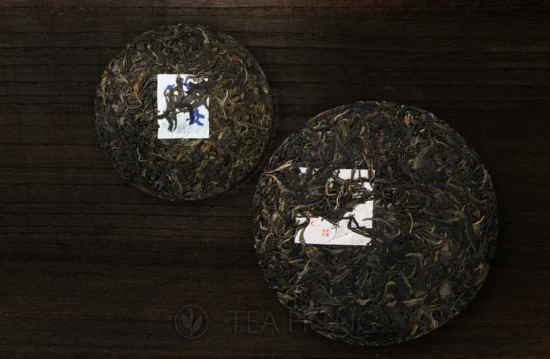
Compare the size difference between a 200g Inner Primeval Earth cha bing with a standard 357g cha bing ( Lao Ban Zhang )
Taste profile
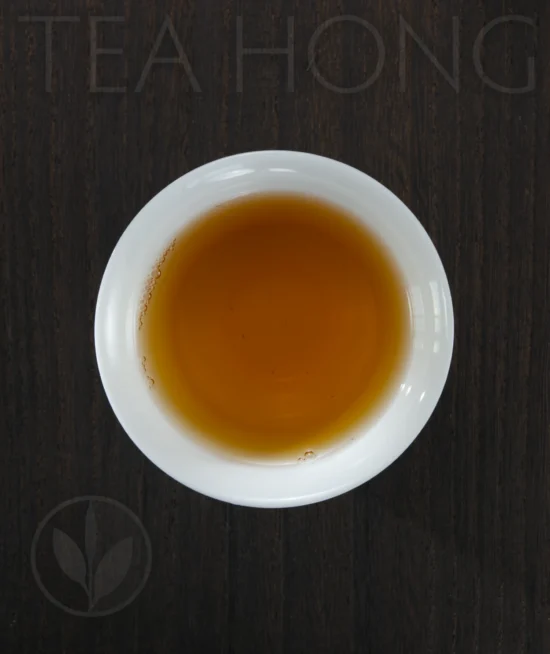
Nose: Deep, floral aroma with accents of rasin petiole, pollen, and mint on an herbal, earthy undertone. Palate: Vibrant, and impactful full body with a solid depth. Accents of raw Chinese liquorice with tinkles of mints, minerals, and dried herbs on an earthy undertone with a distinct sandalwood presence, invigorated by tints of astringent bites and bitterness. Finish: Cooling, quenching and lightly umami accented with the hui gan of raw liquorice.
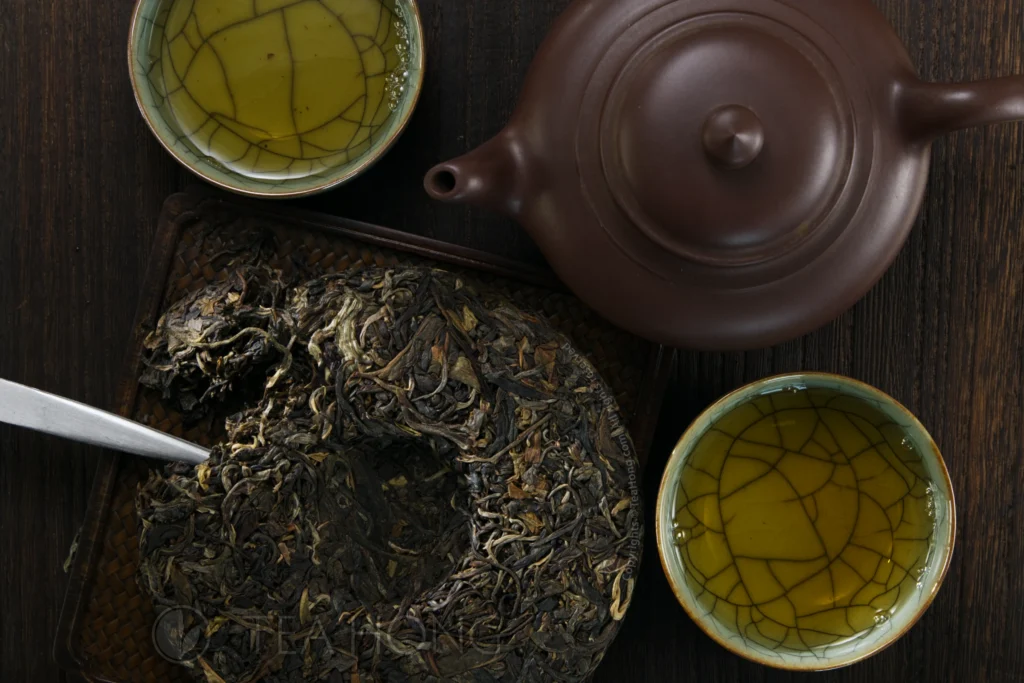
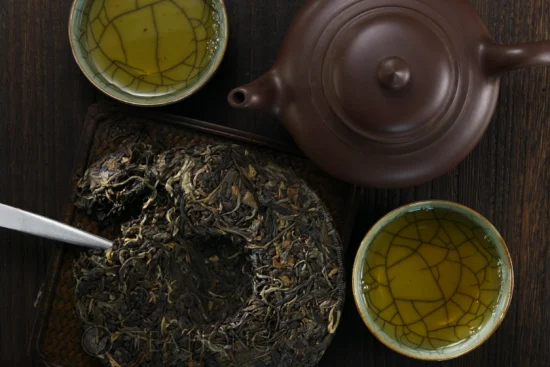
The Inner Primeval Earth cha bing is optimally compressed so it is loose enough for easy chipping. Getting a chunk of the leaves without too much broken bits helps to achieve a taste balance between strength and smoothness for optimal enjoyment.
Infusion suggestion
A higher leaf to water ratio and shorter infusion time — i.e. the gongfu approach, allows for the opportunity for better manifestation of the taste potential of this tea, like most other shengcha cha bing. This is particularly true for this particular tea because of its relatively strong and distinctive characters.
Although the convention of 7 to 8 gram to each 150ml applies to this tea as well, the proportion of small broken leaves and the size of the chunk that is chipped from the cha bing affects tremendously the duration of the first infusion. Make it short if there are more broken leaves, make it slightly longer if the chunk is more dominant. 30 sec to 1 min is the usual range, but make it shorter if there are more broken leaves.
To experience the best of this tea, it is advisable to use a genuine Yixing teapot of medium to higher porosity, such as a zisha. A non-glazed clay teapot can be an alternative.
As in all other compressed teas, always blanche the leaves before the first infusion. Always use near boiling water for all Pu’er, not only to maximise the taste profile, but also for a balance of the TCM consideration of the qi energy the tea can bring into your system, particularly in the shengcha subcategory, regardless of how aged the leaves are.
Please visit this article for more infusion guide on cha bing: How to brew a cha bing
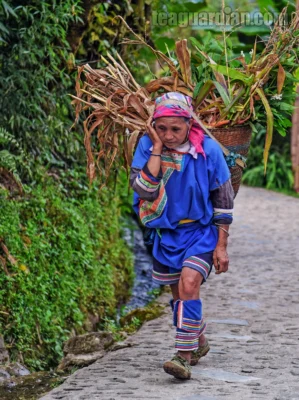
A Lahu old lady coming home from the mountain
* note: On the name of Xiao Hu Sai 小戶賽 on the wrapping paper: This is a Chinese transliteration of how the local ethnic Lahu people say the name of the place in their language. The sound “hu” in this context, refers to the dark colour, rich, primeval forest soil where the local regards as an important characteristic of the settlement because fertility of the land is an important factor for the availability of food. The sound “sai” is common throughout this part of Yunnan across various ethnic groups referring to the idea of “village” or “settlement”. The part “xiao” is borrowed from the Chinese word small, as opposite to big “da”, which in the local context in place naming, is about whether the place is more hidden or more exposed on top of ridges. We think rather than giving you the romanisation of how the Chinese transliterates the name, it makes more sense to transmit the original meaning of the name of the place from the perspective of the locals who provide the leaves. That is why we name it Inner Primeval Earth, shortened from our original translation: The Inner Village of Primeval Earth
Additional information
| Shipping Weight | 420 g |
|---|---|
| Net weight: | |
| Tea category: | |
| Class: | |
| Recommendation: | |
| Origin: | |
| TCM character: | |
| Infusion color: | |
| Vintage |
 Inner Primeval Earth 2021, aged Xiao Hu Sai shengcha Pu’er cha bing, 200 g
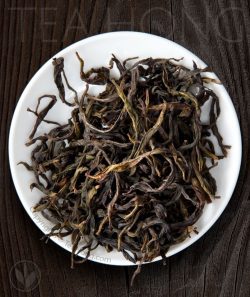
Phoenix Classic, dancong oolong, 40 g
Tea, Oolongs, Fenghuang | Phoenix, Floral Aromas, Fuller Bodies, Neutral Energy鳳凰蜜香 白葉單欉
Fenghuang Baiye:
Before Chaozhou Guest Hotel was privatised, this officially appointed lodging for visiting high-ranking government officials used to serve only classic style Phoenix oolongs in all of their restaurants*. Tea Hong’s Phoenix Classic could well be the special quality in the large white porcelain teapot on the breakfast table sitting next to bamboo steamers holding finely crafted dim sums for the privileged guests. All fine and quintessential characters of the classic Phoenix oolong can be found in this tea — Sweet, fruity, and lively with notes of peach and dried longan, lychee and sweet potato. A proud heritage of Guangdong oolong.


 Net weight: 40 g (1.4 oz) in Kraft-alu pack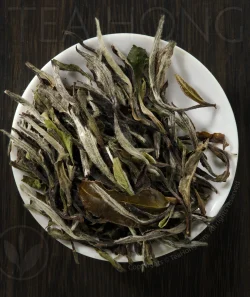
White Peony Classic Floral, traditional white tea, 40 g
Home, Tea, White teas, Minnan/ Mindong, Fujian, Lighter Aromas, Milder Tastes, Cool Energy明前 福鼎牡丹王
Finest Fuding Bai Mudan
Slowly cured in the grand tradition in the origin of white teas, Fuding, Tea Hong's White Peony Classic Floral maintains the original character of floral aroma with a sweet, refreshing taste. White Peony Classic Floral is a first flush from a high altitude garden of pure Fuding Daibai cultivar, ensuring the best possible health potency of white tea. We have matured the current batch since Spring 2019 in our environment to ensure the best possible gastronomic experience.


 Net weight: 40 g (1.4 oz) in wide kraft-alu wide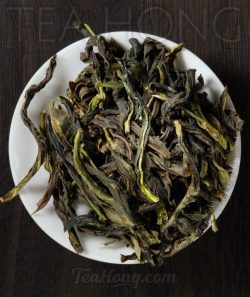
Snow Orchid, bouquet Phoenix dancong oolong, 40 g
Tea, Oolongs, Fenghuang | Phoenix, Floral Aromas, Fuller Bodies, Cold Energy鳳凰冬茶、雪片銀花香
Xuepian Ya-shi Xiang:
Finer winter Phoenix oolongs have always been sought after for their unforgettable natural bouquet fragrances. To us, an aroma of a premium tea has to be complete with a winning taste profile. It has taken us over a decade to fine tune the mastery of the processing of the choicest harvest to attain a result we can be proud of. Presenting Tea Hong’s very own Snow Orchid, the roundest, smoothest, and by far the most seductively fragrant oolong ever known. It is our luscious indulgence secretly from Nature.

 Net weight: 40 g (1.4 oz) in Kraft-alu pack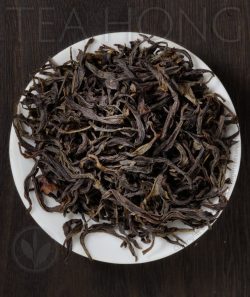
Song Cultivar, Phoenix dancong oolong, 40 g
Tea, Oolongs, Fenghuang | Phoenix, Floral Aromas, Fuller Bodies, Cool Energy鳳凰單欉、烏崠宋種黃橘香(黃枝香)
Huangzhi Xiang Dancong:
Song pedigree tea cultivar Huangzhi Xiang distinguishes itself from others of the same name not only by its living ancestor that has been carbon-dated back to the 13th century (late Song), but also by the elegantly complex taste and aroma of the tea it yields. That is why it is the most revered of all Phoenix oolong in its own origin and at the nearby Gongfu Tea Capital of the World — Chaozhou. Net weight: 40 g (1.4 oz) in Kraft-alu pack
Reviews
There are no reviews yet