

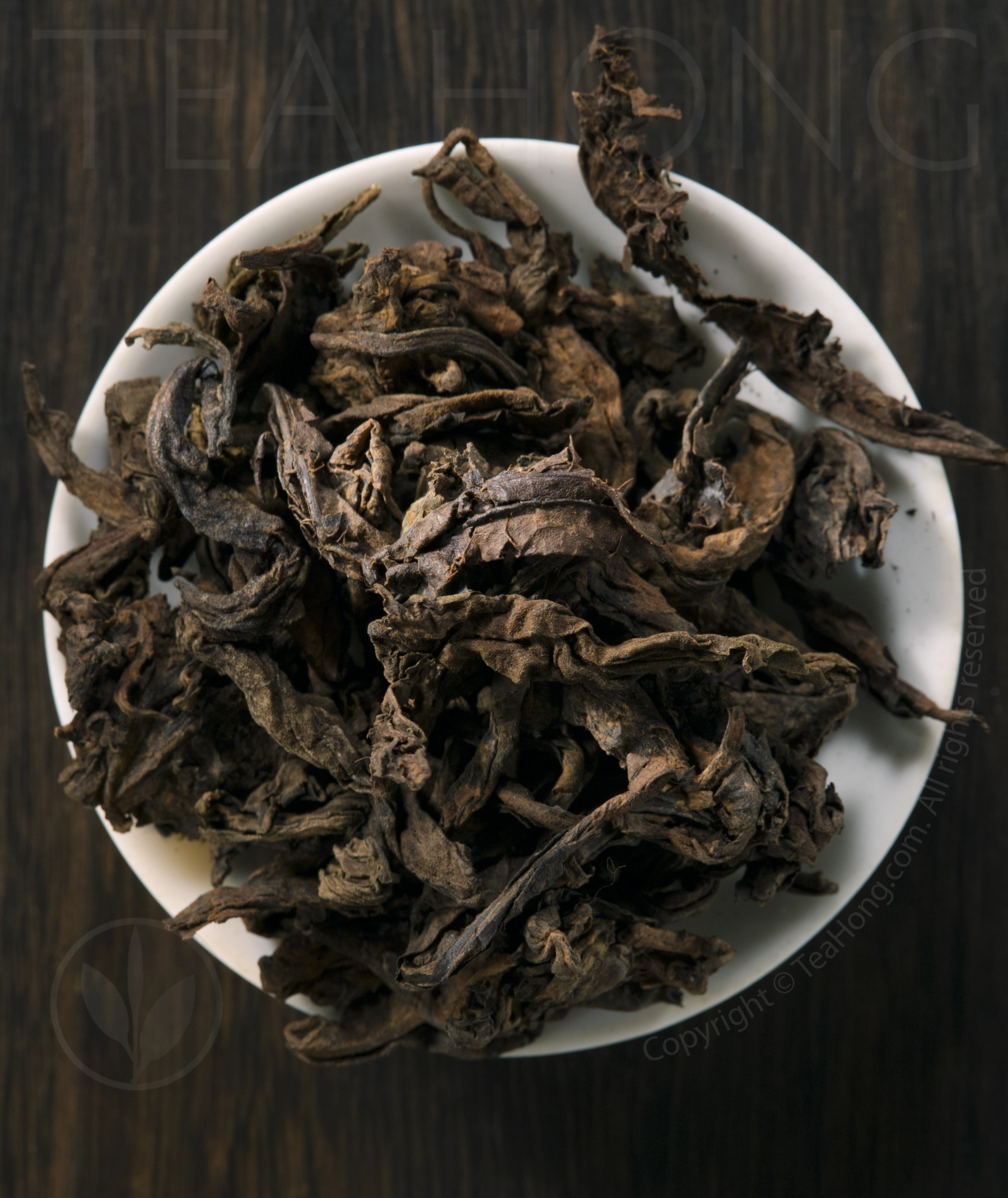
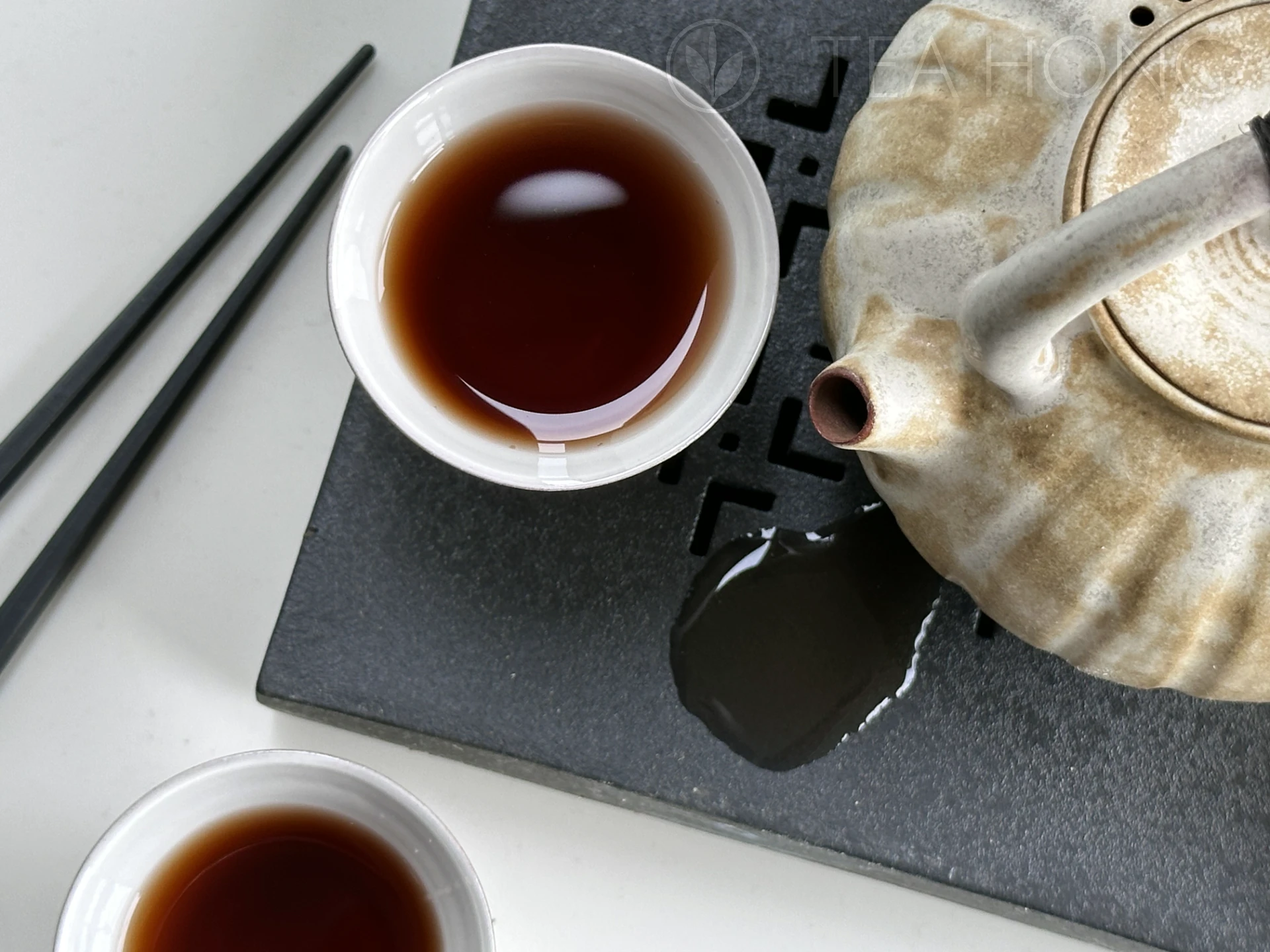
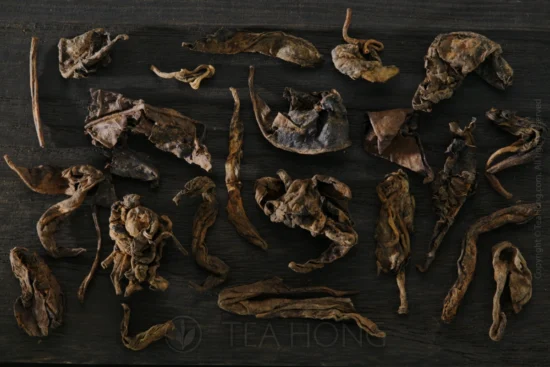
Old Hong Kong Pou Nei 2012, old style post-fermented Pu’er tea, 70 g
US$16.3
excluding tax and tariff
懷舊香港系列 復刻原版 港式老普洱
The original, premodern shu cha Pu’er
For most of the 20th century until the 80’s, Yunnan’s rough, overgrown maocha were sold almost entirely to Hong Kong, the British free port that was China’s most essential export destination. The extreme low price came in time to satisfy a city whose population had quadrupled with refugees after 1949, and to meet the export need for under-developed economies in Southeast Asia.
A “wet storage” method was developed in the small colony to turn the sharp and bitter taste to sweet, smooth and earthily mesmerising. Pou Nei* soon became the most popular tea of its day, found everywhere from teahouses, dimsum restaurants, grassroot eateries, and even my own sub-poverty childhood home.
In the 1970s, Yunnan tea specialist Zou Bing Liang came to study the Hong Kong technique, scaled it up and codified it to produce the modern shu cha Pu’er. Yet a little bit something of the original is missing.
Tea Hong’s Old Hong Kong Pou Nei is our tribute to that earlier tradition. Crafted to recreate the mellow sweetness, rich earthy aroma, and effortless drinkability, it is both a historical revival and a deeply personal expression of a tea that defined countless everyday moments and cherished memories.


Net weight: 70 g (2.5 oz) in wide Kraft-alu pack
In stock

Taste profile
Nose: Warm, earthy, pleasantly sweet with a woodsy overtone. Touches of dried Chinese jujube and apricot kernels. Palate: Smooth mouthfeel carrying a soft, lightly sweet, earthy, supple and round body. Suggestions of soft boiled mung bean and cereals. Light accents of dried pomelo peel. Finish: Quenching, lingering light sweetness.
Infusion tips
While using the standard 2g to each 100ml of water and steeping for 5 min would always deliver a pleasing liquor, this tea is so flexible that it can still be an enjoyable cup using a huge range of ratios and other variables. It really would be a personal preference as to what the final taste profile you want it to attain. Have fun playing with it.
However, it is a rule to always blanch the leaves at least one time before infusion.
Use water at near boiling point, if not for every repeated session, at least for the blanching and the first round.
Both the infusion and the drinking vessel matters too. For example, using Yixing zhu-ni pot would render quite differently from a porcelain gaiwan, for example. Stay away from stainless steel and glass, especially those thin glass teapots.
* Pou Nei — 普洱 — is the phoneticization of the same Chinese characters for Pu’er, but according to Cantonese, Hong Kong’s own local language.
Additional information
| Shipping Weight | 90 g |
|---|---|
| Dimensions | 18 × 9 × 5 cm |
| Net weight: | |
| Tea category: | |
| Class: | |
| Recommendation: | |
| Origin: | |
| TCM character: | |
| Packaging: | |
| Infusion color: | |
| Vintage |
 Old Hong Kong Pou Nei 2012, old style post-fermented Pu'er tea, 70 g
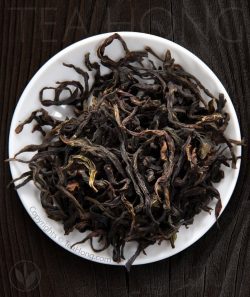
Honey Orchid Supreme, classic Phoenix dancong oolong, 40 g
Fenghuang | Phoenix, Floral Aromas, Fuller Bodies, Neutral Energy, Oolongs, Tea鳳凰極品 老樅蜜蘭香
Old Bush Milan Xiang:
For real aficionados who would not be satisfied until they have discovered a deeper depth, a rounder fullness and a more lingering sweetness, we’d go overboard to offer the extreme. Rarest small batches of leaves from special bushes individually processed only by top masters. Such as this supreme quality Milan Xiang Dancong. For those who demand more potential from the leaves for fulfilling their infusion skills. For thirsty souls seeking a moment of tranquility in the depth of the tinkling after-sweetness of Honey Orchid Supreme.


 Net weight: 40 g (1.4 oz) in Kraft-alu pack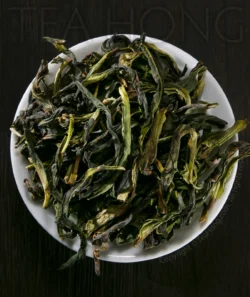
Snow Orchid, bouquet Phoenix dancong oolong, 40 g
Cold Energy, Fenghuang | Phoenix, Floral Aromas, Fuller Bodies, Oolongs, Tea鳳凰冬茶、雪片鴨屎香
Xuepian Ya-shi Xiang:
Finer winter Phoenix oolongs have always been sought after for their unforgettable natural bouquet fragrances. To us, an aroma of a premium tea has to be complete with a winning taste profile. It has taken us over a decade to fine tune the mastery of the processing of the choicest harvest to attain a result we can be proud of. Presenting Tea Hong’s very own Snow Orchid, the roundest, smoothest, and by far the most seductively fragrant oolong ever known. It is our luscious indulgence secretly from Nature.

 Net weight: 40 g (1.4 oz) in Kraft-alu pack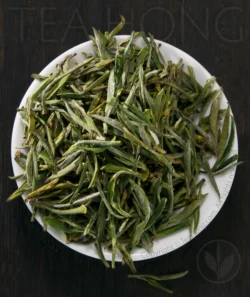
Huangshan Maofeng Supreme, traditional green tea, 40 g / 70 g
Cool Energy, Green teas, Huangshan & Anhui, Lighter Aromas, Milder Tastes, Tea黃山毛峰 明前嫰芽
Pre-Qingming Maofeng:
Huangshan (translate: Yellow Mountain) is an UNESCO World Heritage Site and a China national conservation. Besides beautiful sceneries, it is also the origin for many a fine teas, such as Huangshan Maofeng. The tender young leaf shoot to make Tea Hong's Huangshan Maofeng Supreme is always plucked with one or two tiny immediate leaves before Spring Equinoix, and always before Qing Ming. Always from the few small family tea farms in the high mountains that we buy from. It is a rare quality even in the market in Huangshan, and if you ever found it, would be at a much higher price. Working directly with producers is a principal at Tea Hong. While offering quality at a reasonable price is one immediate benefit that you as a consumer can enjoy, there are more important reasons and not so immediate results that we aim at. Your patronage means great support for our cause.

 Two pack options available, 40g or 70g net weight, please choose at below: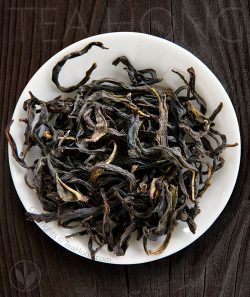
Black Leaf Special, Phoenix dancong oolong, 40 g
Cool Energy, Fenghuang | Phoenix, Floral Aromas, Fuller Bodies, Oolongs, Tea鳳凰單欉 上品大烏葉
Fenghuang Da Wuye:
If classic Phoenix oolongs are too sweet, and bouquet ones too florally aromatic for you, Tea Hong’s Black Leaf Special maybe your cup of tea. It is produced from a new cultivar developed for maltiness and complexity in taste. A very different oolong from the rest. Our special selection is harvested from higher altitudes near the oolong mecca that is Wudong.
 Net weight: 40 g (1.4 oz) in Kraft-alu pack
Reviews
There are no reviews yet