


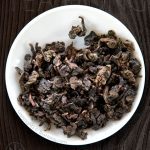
Tieguanyin Classic, deep baked oolong, 120 g
US$27.0
excluding tax and tariff
陳年 竹籮碳火 慢焙鐵觀音
Bamboo basket charcoal rebaked
We have matured this special batch of tieguanyin for long enough before double baking it the traditional way in a bamboo basket with charcoal ash. To attain an ideal result from this traditional practice requires proper conditioning and in-depth know how. Tieguanyin Classic is one of Tea Hong’s best value oolongs. Enjoy the warm, soothing aroma as hot water touches the leaves. Then the characteristic tastes of a classic tieguanyin delivered in a round, smooth body with a unique sweetness.
This tea is also available in a small portion as a part of Tea Taster’s Box: Nine Oolong Samplers.


Net weight: 120 g (4.2 oz) in Kraft-alu pack
In stock

Taste profile
Nose: Deep, woodsy sweet aroma with a sweet spice accent with tones of dates and plum. Palate: Soft, round body brightened with notes of plum and citrus peels. Biscuity undertones hinting red dates, Chinese licorice and berries. Finish: Sweet aftertaste.
Infusion tips
The resultant taste profile of the liquor can greatly vary dependent on the duration of infusion (steeping) as much as water temperature and tealeaves to water ratio. How long the cup is rested also brings significant difference to the palate. This tea is great fun to play with for various skill practices. As always with matured tea, give it a good blanche or even two before actual infusion.
Additional information
| Shipping Weight | 130 g |
|---|---|
| Dimensions | 18 × 9 × 5 cm |
| Net weight: | |
| Tea category: | |
| Class: | |
| Recommendation: | |
| Origin: | |
| TCM character: | |
| Packaging: | |
| Infusion color: | |
| Vintage |
3 reviews for Tieguanyin Classic, deep baked oolong, 120 g
 Tieguanyin Classic, deep baked oolong, 120 g
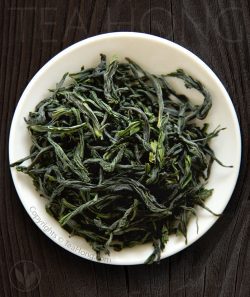
Luan Guapian Traditional, handcrafted green tea, 50 g
Cold Energy, Green teas, Huangshan & Anhui, Lighter Aromas, Milder Tastes, Tea珍品、六安瓜片
The sweetness in a unique bitter green
Unlike other green teas that are prized for plucking early in Spring, leaves of Da Guazi need to be quite grown and spread in order to make a fine Luan Guapian. This gives the proper biochemistry that yields enough pectin for the tea's signature velvety texture and unique bitter character. This is possible only with a special local cultivar — Da Guazi — Big Melon Seed, hence the funny name. Some say it takes enough experience in life for a person to appreciate the bitterness in a food or drink. We think maybe it only takes a person with a truly sensitive taste faculty to understand and prize such a wonderful tea.

 Net weight: 50 g (1.8 oz) in Kraft-alu pack

Cassia Classic, Wuyi yancha oolong, 40 g
Denser Aromas, Fuller Bodies, Oolongs, Tea, Warm Energy, Wuyi-shan武夷岩茶、正品肉桂
Classic Rougui Cultivar
Cassia (Rougui) was the first tea variety that received popular praise in the recent few hundred years from the Wuyi region. Named after the tree bark spice, there is otherwise no biological relationship at all, although there is an aromatic component in the oolong that is akin to that of the spice. This classic version is a bit deeper baked than the supreme “Extraordinaire” version, as has traditionally been done for the past century, or longer. This tea is also available in a small portion as a part of Tea Taster’s Box: Nine Oolong Samplers.

 Net weight: 40 g (1.4 oz) in Kraft-alu pack
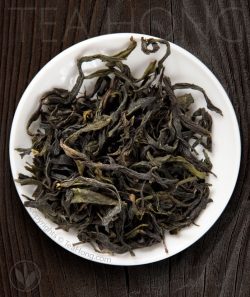
Shiguping Wulong, rare Phoenix oolong, 40 g
Fenghuang | Phoenix, Fuller Bodies, Lighter Aromas, Neutral-Cool Energy, Oolongs, Tea鳳凰隱世珍品 極限量 石古坪烏龍
Rare Indigenous Cultivar:
To us, offering the extremely rare Shiguping Wulong is not a challenge enough. We think we should give you the best of its kind. Trekking further deep into the mountain above the elusive main village of Shiguping, we found the patch of land which the locals called Liao-xi-ya, where it all began. The tea is softer, yet fuller and even more complex than that in the main village. The very original Shiguping Wulong*, as highly acclaimed by the man who devoted all of his life in advocating oolongs of Phoenix, the 74 years-old tea specialist Huang Bozi.


 Net weight: 40 g (1.4 oz) in Kraft-alu pack
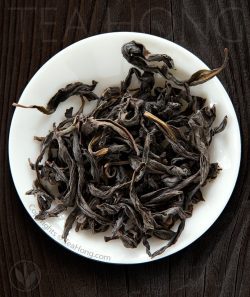
Red Cloak Grande, Wuyi yancha oolong, 40 g
Denser Aromas, Fuller Bodies, Oolongs, Tea, Warm Energy, Wuyi-shan武夷百年老樅、正品大紅袍
Centenary Bush Dahong Pao:
The most revered amongst all Wuyi oolongs, Da Hongpao (translate: Big Red Cloak) from the pure pedigree grown in better horticultural environment mean significant difference and are most sought after. Tea Hong’s Red Cloak Grande is an extremely limited production (10 kg/year) harvested from two second generation noble breed that are over 100 yrs old in the heights of Wuyi. Masterfully processed to best deliver the taste this name represents. The current 2023 batch was not only the best harvest we have seen, but also optimally baked to our liking, and matured under our environment for an even deeper and more enjoyable profile.

 Net weight: 40 g (1.4 oz) in Kraft-alu pack
This is a good example of baked Tieguanyin, it’s got good firing techniques coupled with good leaf material, and it’s pretty flexible in terms of how it can be brewed up. It always creates a deeply enjoyable cup of tea in the handful of times I’ve brewed it so far. This tea is going to be awesome in the fall and winter time – but even during the cooler days of the hot summer, which I’m in right now, it’s proven to be quite refreshing.
I enjoy the way the soft floral and stronger fruity notes come to the forefront of the palate with each progressive sip, gently being supported by the clear notes of charcoal without ever becoming smothered by them. The baking accents the flavor profile and adds an interesting depth by bringing out a kind of fruity sweetness that is usually obliterated when the firing is taken too far… which is quite often, unfortunately.
Anybody can burn a batch of tea leaves, either at too high a temperature or for too long, or perhaps even a combination of both – and call it a “high roast”, but this takes no skill to achieve. What does take skill to achieve, is a proper firing that elevates the inherent qualities of the tea leaf being processed. There are molecular changes to the constituents of the leaf that are induced by good firing techniques, and these are what create depth in sweetness and distinct accents in the floral and fruity layers of the flavor profiles, which is what I find in this Tieguanyin Classic.
It’s nice to see an example of proper firing techniques in something priced superbly well for daily drinking. If you’re looking for a roasted Tieguanyin as your daily-drinker, this is a great choice.
The leaf quality is fantastic, as these little nuggets unfurl slowly across both gong-fu and Western-style infusions, and across a wide temperature range, they are uniform and have some stoutness to them even after taking a long bath in water fresh off a rolling boil. They hold their composure well and resist turning bitter. Even as the cup cools, the tea remains crisp and clear in its flavor profile.
The Whiz Kid
I was told that it is not an easy tea to prepare nor to appreciate, so I was a little anxious when opening it.
I choose to brew it with a low leave to water ratio and it immediately appeared that the real complexity of the tea is that it can offer a wide range of tastes.
In these conditions, this tea develops very sweet and gentle taste of plum and date, brilliantly balanced by the woodsy aromas from the baking process.
I am eager to prepare it again with other parameters, I am already amazed by its the wide range of possibilities.
To summarize, to me this tea is not the wild child I expected but a more a whiz kid who can show you tons of wonderful tastes if you can guide him.
Thanks to all Tea Hong staff for this great discovery!
( A paragraph is edited out for a discussion about another customer’s comment. Detail discussions are more suitable when carried out in forums, such as the one in TeaGuardian.com — note by Tea Hong )
Karen Ager
We enjoyed this classic oolong with a spicy lunch today. The dry, bumpy nuggets are pungent and pleasant to look at. I used a black clay yixing gaiwan for this selection but didn’t detect much aroma after three shakes of the dry tea in the heated bowl. That all changed the very second the hot water hit it. This tea was generous in releasing its complex baked aroma. Very pleasant. The first steeping was a quick one. Lovely flavor on the front of the palate in into the nose. Earthy with a hint of black peppercorn yet mellow as the name implies. The second steeping I left sitting too long (or so I thought). It was strong but only in the most pleasant way. We did a few more steepings and the nuggets opened up into what look like rolling waves on a black ocean. The texture lets you know you are drinking a substantial tea. I don’t think this is the type of tea that can be steeped all day, though, as it gives off its flavor quickly. On the other hand, I will steep a few more infusions, let them sit longer, and see what surprises await. In my opinion this is a great tea to accompany meals.