

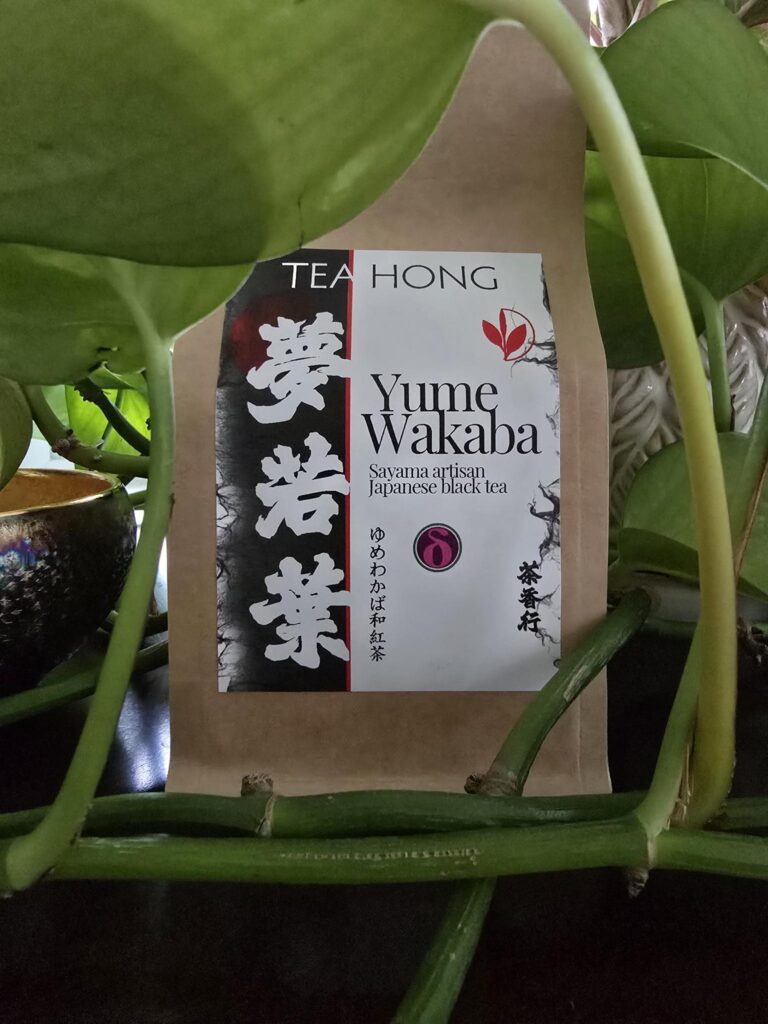
Sayama Japanese black tea Yume Wakaba, 50 g
US$25.0
excluding tax and tariff
狭山和紅茶 夢若葉
Wakocha from volcanic soil made by 17th generation tea master
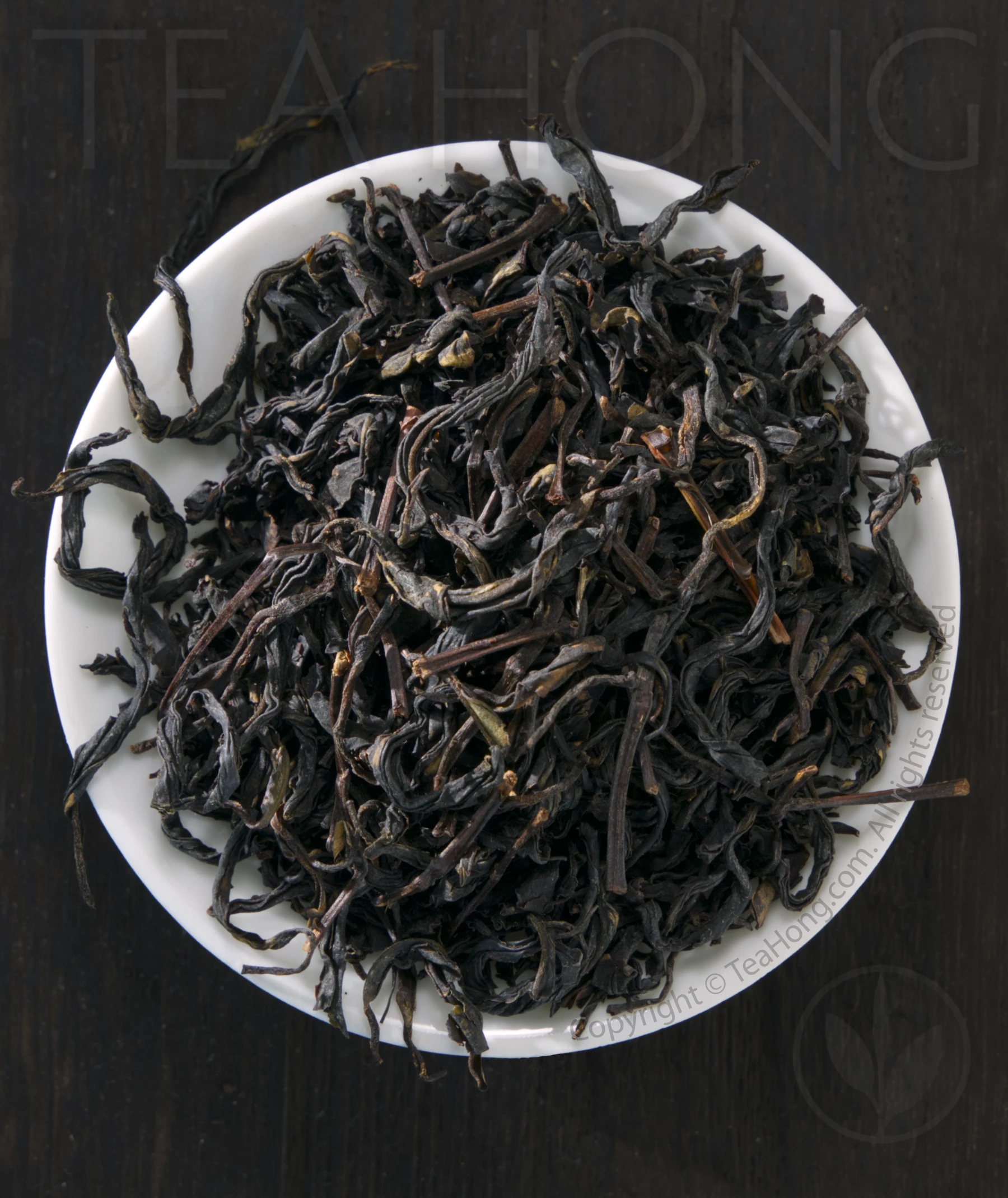
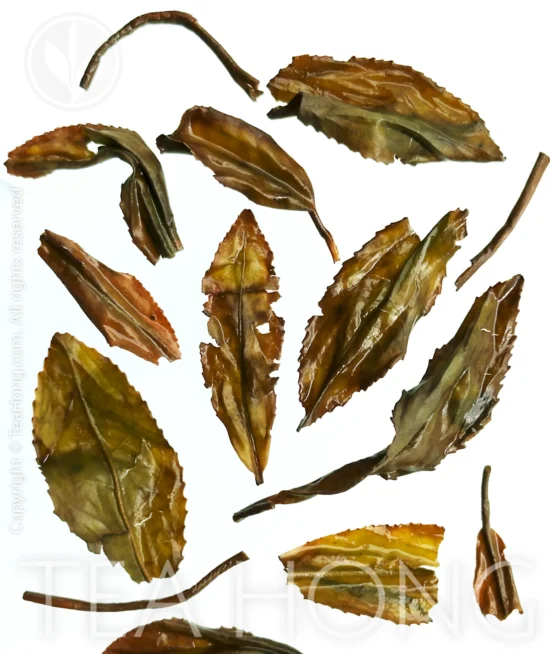
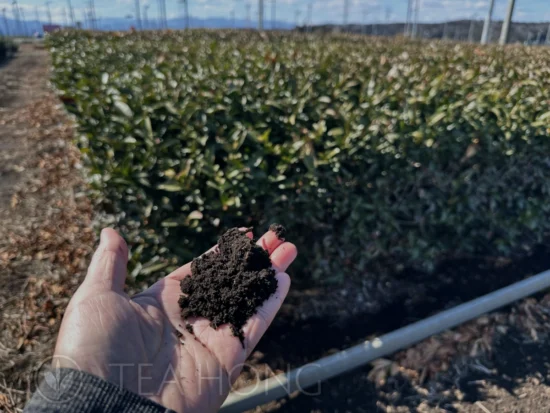
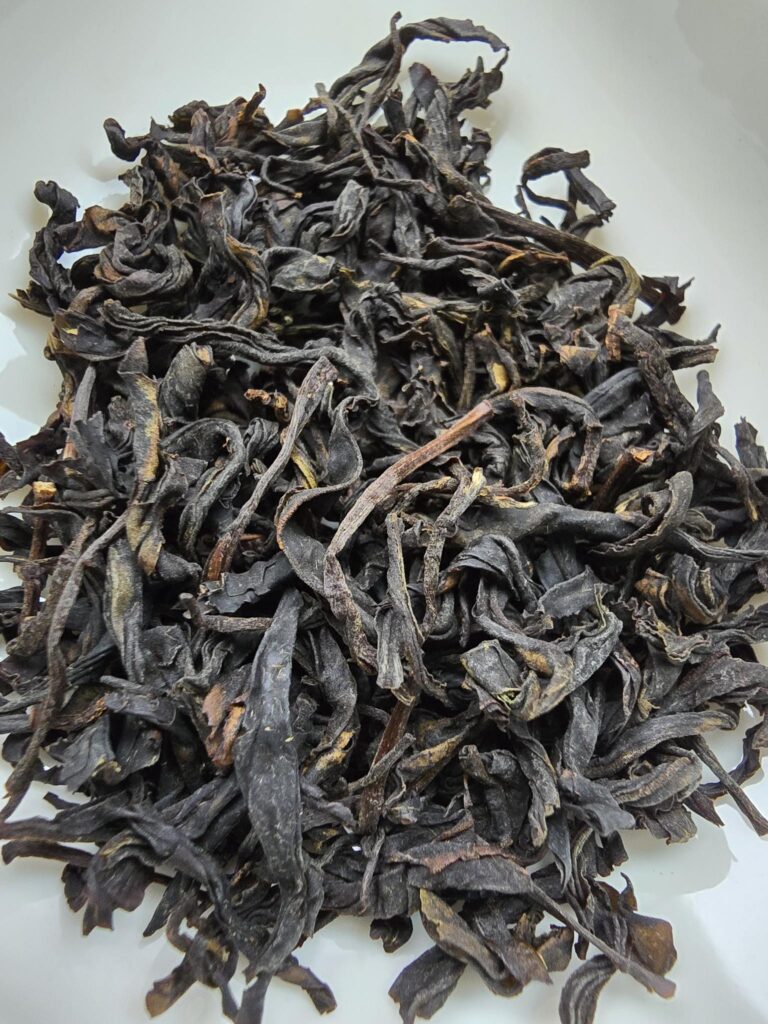
A limited size production rolled with a wooden roller for lengthening the oxidation duration vs the speed, this exceptional “wakocha” — Japanese black tea — of purely the leaves of the local cultivar Yume Wakaba — ゆめわかば (kanji: 夢若葉) is the prized production by the multiple award winning Master Shimizu. These leaves grown on the dark volcanic soil of the Sayama area carry with them a distinctive mineral character like no other we have tasted. It is also the attention and skills by this 17th generation tea farmer that has made this tea stands out so well to convince us to have it as the first Japanese black tea in our collection.


Net weight: 50 g (1.8 oz) in Kraft-alu pack
Out of stock

Taste profile
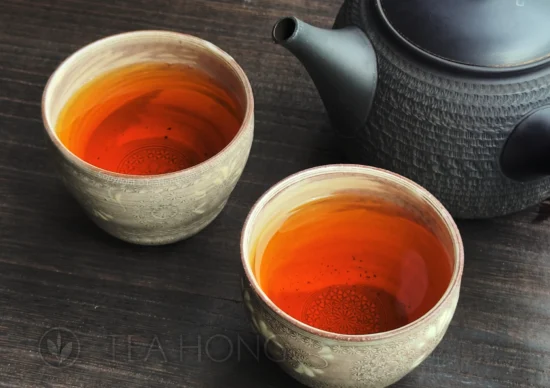
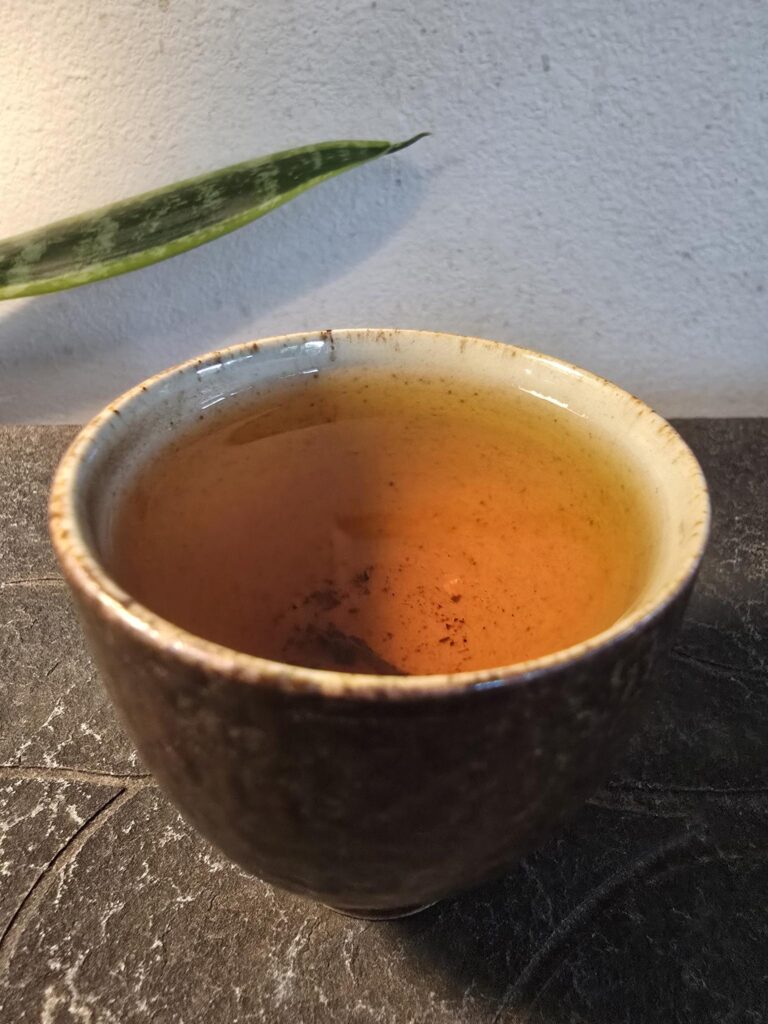
Nose: Lively, flowery aroma with a glutenous rice overtone. Fruity notes. Distinctive accents of dried Chinese licorice and other herbal barks. Undertones of wheat bread crust. Palate: Soft, silky body with a cooling sensation. Fruity with tints of minerals. Light, but consistent accents of dried Chinese licorice and herbal barks. Finish: Cooling, refreshing with that ‘minty’ effect of those dried barks and roots.
Infusion suggestion
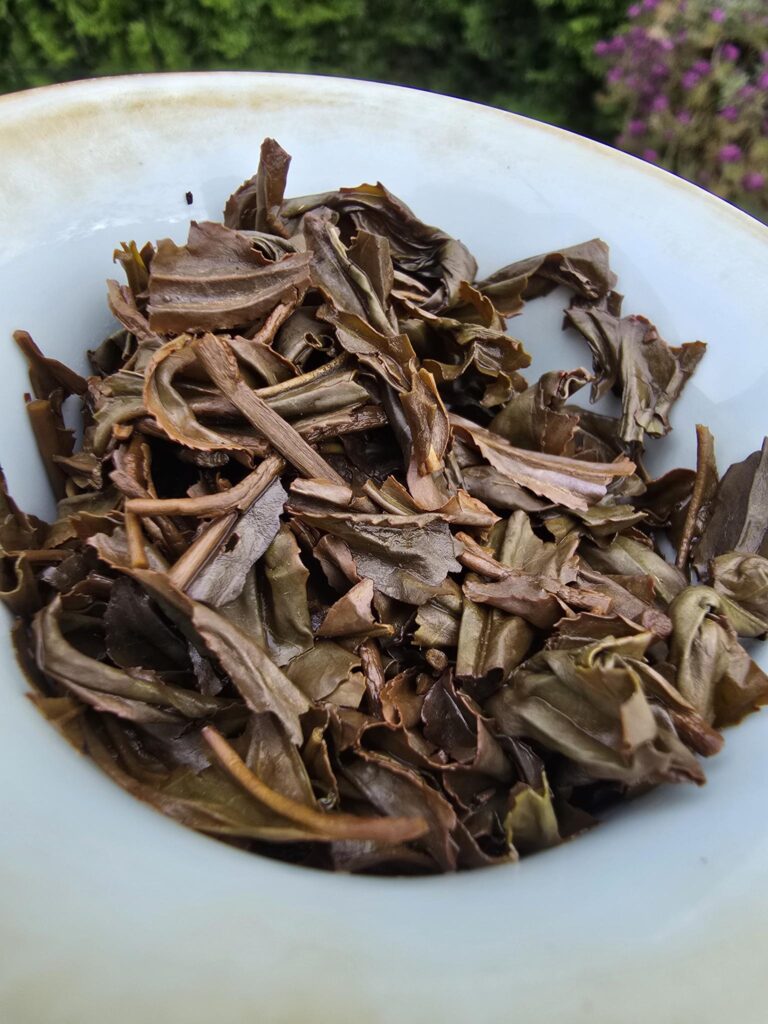
Try to get the most of the leaves from the first infusion. Use a 2.5g leaves to each 100ml water ratio for at least 5 minutes infusion. Use a Yixing teapot if you have one. Otherwise a non-glazed stoneware would help as well. 95°C water temperature and always preheat your teapot/infusion ware. Enjoy.
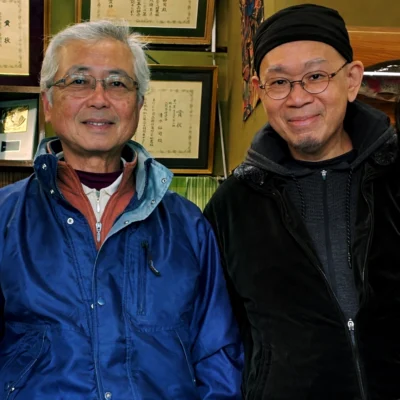
In the small reception room packed with award certificates at Shimizu’s. The humble tea master rarely smiles
Master Shimizu — a tea professional with a principle
When I first tasted old Master Shimizu’s Yume Wakaba black tea I told him that I was very interested. It was the most taste-worthy “wakocha” — Japanese black tea — I have tried through the three years I have been looking for a proper candidate to include in my collection. He said he would not sell me the tea. Not just yet. He insisted that the tea needed to be rested at least till winter before it had its full profile. Hearing that from a Japanese tea professional was a great relief. There are serious practioners here who are also serious enough to not follow the market craze for the fresher the better myth.
Maybe that’s a tradition of his family: the family name Shimizu 清水 — Clear Water — resonates an East Asian dissident virtue of staying uncontaminated in a murky world. I suspect that is a name his forefather made during the Edo period when they first farmed tea here. Will find out later.
We have further aged the tea for a few months for an optimum taste profile before having it available online.
Additional information
| Shipping Weight | 90 g |
|---|---|
| Dimensions | 18 × 9 × 5 cm |
| Net weight: | |
| Tea category: | |
| Class: | |
| Origin: | |
| TCM character: | |
| Packaging: | |
| Infusion color: | |
| Vintage |
1 review for Sayama Japanese black tea Yume Wakaba, 50 g
Customer photos and videos
 Sayama Japanese black tea Yume Wakaba, 50 g
Silver Needle Supreme, traditional white tea, 40 g
Cool Energy, Lighter Aromas, Milder Tastes, Minnan/ Mindong, Fujian, Tea, White teas福鼎 明前 高山白毫銀針
Genuine Baihao Yinzhen:
The first ever modern white tea, Silver Needle that came about in late 18th century withstands time as still the highest quality in the category. Produced in the origin of Fuding with the original pedigree cultivar Fuding Daibai, Tea Hong’s Silver Needle Supreme is a high altitude first flush that distinguishes itself with a subtle yet the most joyful aroma and flavors amongst its peers. The finest and purest of this variety.


 Net weight: 40 g (1.4 oz) in Kraft-alu pack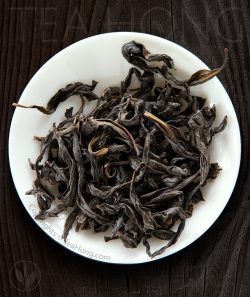
Red Cloak Grande, Wuyi yancha oolong, 40 g
Denser Aromas, Fuller Bodies, Oolongs, Tea, Warm Energy, Wuyi-shan武夷百年老樅、正品大紅袍
Centenary Bush Dahong Pao:
The most revered amongst all Wuyi oolongs, Da Hongpao (translate: Big Red Cloak) from the pure pedigree grown in better horticultural environment mean significant difference and are most sought after. Tea Hong’s Red Cloak Grande is an extremely limited production (10 kg/year) harvested from two second generation noble breed that are over 100 yrs old in the heights of Wuyi. Masterfully processed to best deliver the taste this name represents. The current 2023 batch was not only the best harvest we have seen, but also optimally baked to our liking, and matured under our environment for an even deeper and more enjoyable profile.


 Net weight: 40 g (1.4 oz) in Kraft-alu pack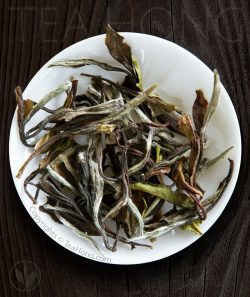
White Peony Zhenghe, traditional white tea, 40 g
Lighter Aromas, Milder Tastes, Minnan/ Mindong, Fujian, Neutral-Cool Energy, Tea, White teas精選、政和白牡丹
Browner Style Zhenghe Dabai:
Those who prefer white tea as their daily drink but want a bit more stimulations in taste, White Peony from Zhenghe is a great choice. It is air withered for a longer duration from one of the two classic cultivars, Zhenghe Dabai. The resultant tea tastes slightly sharper and longer than white teas produced from the other classic, Fuding Dabai. White Peony Zhenghe is a fine tea that is most affordably priced.

 Net weight: 40 g (1.4 oz) in wide Kraft-alu pack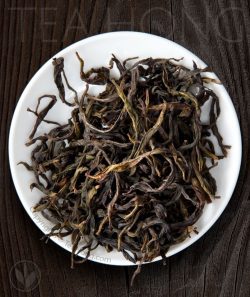
Phoenix Classic, dancong oolong, 40 g
Fenghuang | Phoenix, Floral Aromas, Fuller Bodies, Neutral Energy, Oolongs, Tea鳳凰蜜香 白葉單欉
Fenghuang Baiye:
Before Chaozhou Guest Hotel was privatised, this officially appointed lodging for visiting high-ranking government officials used to serve only classic style Phoenix oolongs in all of their restaurants*. Tea Hong’s Phoenix Classic could well be the special quality in the large white porcelain teapot on the breakfast table sitting next to bamboo steamers holding finely crafted dim sums for the privileged guests. All fine and quintessential characters of the classic Phoenix oolong can be found in this tea — Sweet, fruity, and lively with notes of peach and dried longan, lychee and sweet potato. A proud heritage of Guangdong oolong. Net weight: 40 g (1.4 oz) in Kraft-alu pack
Wakocha with the complexity of the finest dancong and yancha – this is incredible. The flavors are so thick, I feel like I need a steak knife when drinking this tea.
It has a deep, umami-rich spine that is unmistakably Japanese, and yet its outward expressions are overtly floral & fruity in a way that would make any oolong blush – baked or bouquet. These are Fenghuang flowers and Wuyi fruits riding on a gigantic wave of Japanese umami.
I enjoy brewing this up similarly to how I brew competition-grade Oriental Beauty.
5 grams of leaf, 100 mL Rural Life gaiwan, three steeps in total. Initial steep of 45 seconds at 180*F, second steep for 90 seconds at 183*F, third steep for 180 seconds at 186*F. Pay attention to how you pour – if you have a gooseneck kettle, dribble deliberately along the exterior of the wall in a rapid circular motion, allowing the momentum of the sliding water to gently draw the leaves downward and tumble them around. This technique takes time to dial in because the hand moves quickly while the kettle pours slowly, and maintaining consistency in the dribble requires practice.
Osmanthus, Damask rose, fresh-cut violets and orchids, with a chameleon-like fruitiness that constantly shifts around between tangy yuzu, ripe strawberries, and sweet raspberries to jammy notes of Mesquite-grilled apricots, figs, and plums. I also get a distinctly clear note of raw Manuka honey – sweet, cooling, and soothing at the same time.
I will miss this wakocha dearly when it is gone.
You said one thing that really resonates when I first tasted the tea — this is more like a deep oxidation oolong than a traditional black tea. It has a little bit of Fenghuang Dancong, Wuyi Rock Tea and Oriental Beauty all in one tea and yet it feels everything are from its own. I have avoided purposely to say that in the product description fearing that the reader may get confused. It surely feels good that another tea nerd like me has now said it. Thank you!