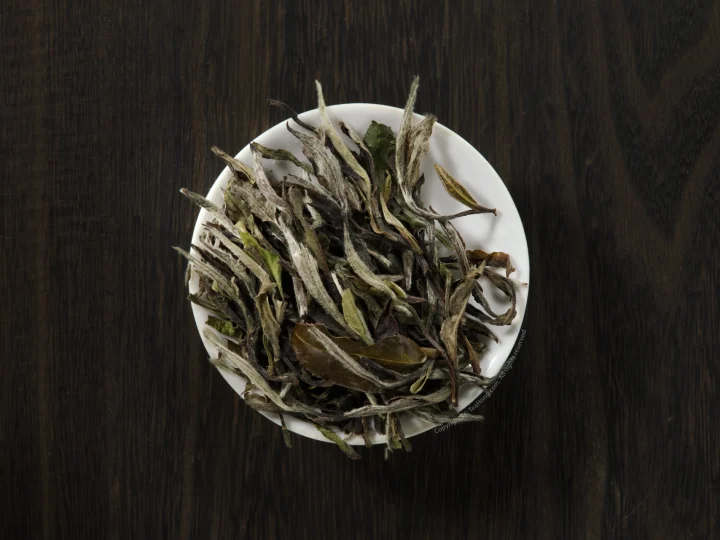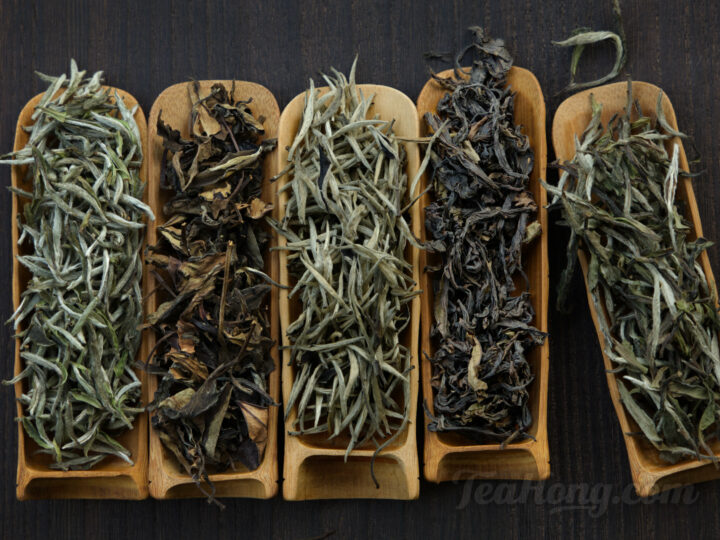

The production of traditional white tea looks very simple and straightforward on paper: lay the fresh leaves under the sun to wither and then continue the withering under the shade and then dry*, sort and pack them. That’s it.
The particular taste of this category of tea comes from the resultant biochemistry of the slow but lengthy oxidation that happens during this withering. It is also this same composition that gives the unique salutary contents this category has been famous for.
The Da Bai groups of cultivars, developed in the late 1880’s in the origin of white tea — eastern Fujian — are also one contributing factor to the category’s renowned taste and appearance: furry white and relatively larger leaf shoots that yield a soft, sweet taste.
However, to the novice tea drinker the tea’s appearance maybe disappointing — the long withering process darkens and dull the originally white furry leaf buds. The tea is actually greyish rather than white. (Certain varieties, such as Sau Mei, is even dark brown. )

A tea master scraping the surface of a pile of fresh tealeaves in the withering bed. What sounds like a stationary processing step actually involves not only intervals of turning, aerating and re-piling, but also decisions in thickness of the pile, and length of each such intervals. The pluck quality as as a result of the cultivar, the year’s weather, the humidity and temperature of the processing hall, as well as the conditions in the previous step affect the decisions to such variables.
To the inexperienced tea producer, the lengthy withering process may sound simple, but is difficult to manage — exactly how long to wither, the thickness of the pile of leaves, the intervals when the leaves have to be turned in order to avoid rotting, and the manner of turning to ensure evenness while protecting the leaf’s integrity — are all factors that would result in either a batch of premium quality or a pile for the compost.
White looking tea may not be white tea at all
In the 1990’s waves of inexperienced people entered the tea industry in China under the “encouragement” of the government to ease the huge unemployment rate when a substantial percentage of companies and institutions that used to be government operated went private or closed down. In other parts of the world, almost all major tea plantations jumped onto the bandwagon of the white tea hype by developing tea cultivars with furry leaf buds that somewhat resemble those in traditional white tea varieties such as White Peony or Silver Needles.
Many of the new tea farmers shortened the withering time to produce whiter looking products that would appeal more to novice drinkers, and more importantly, to take the easy way out because they know they would spoil the leaves without the needed mastery of the process.
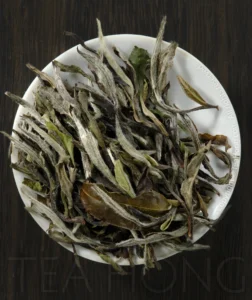
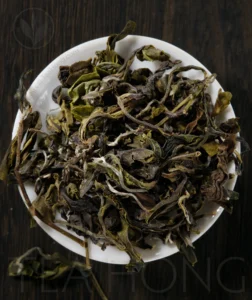
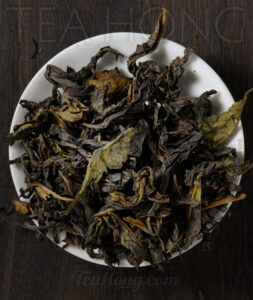
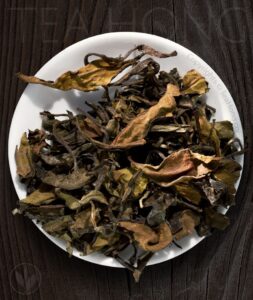
Four most popular genuine white teas in our shop: even the all time classic White Peony Classic Floral is not very white in colour. That is because the leaves have to be properly withered both under the sun and for a long duration in the shade in order for the biochemistry in the leaf to amply change to be properly defined as a white tea. Also for the health contributing contents that scientists found in the category.
A genuine white tea should be brewed at above 90°C, if not higher
The tea thus produced is nice looking but not a white tea at all, albeit the white appearance. It tastes like pale green tea and turns bad a lot quicker even than most green tea when stored in the ambience. Then they begin propagating the idea of cold storing the white tea and infusing at lower temperature like that in green tea. There still are some people in the market that still believe such myths this today, and such teas still exist, albeit in much lesser extent than 20 years ago now that people have learned.
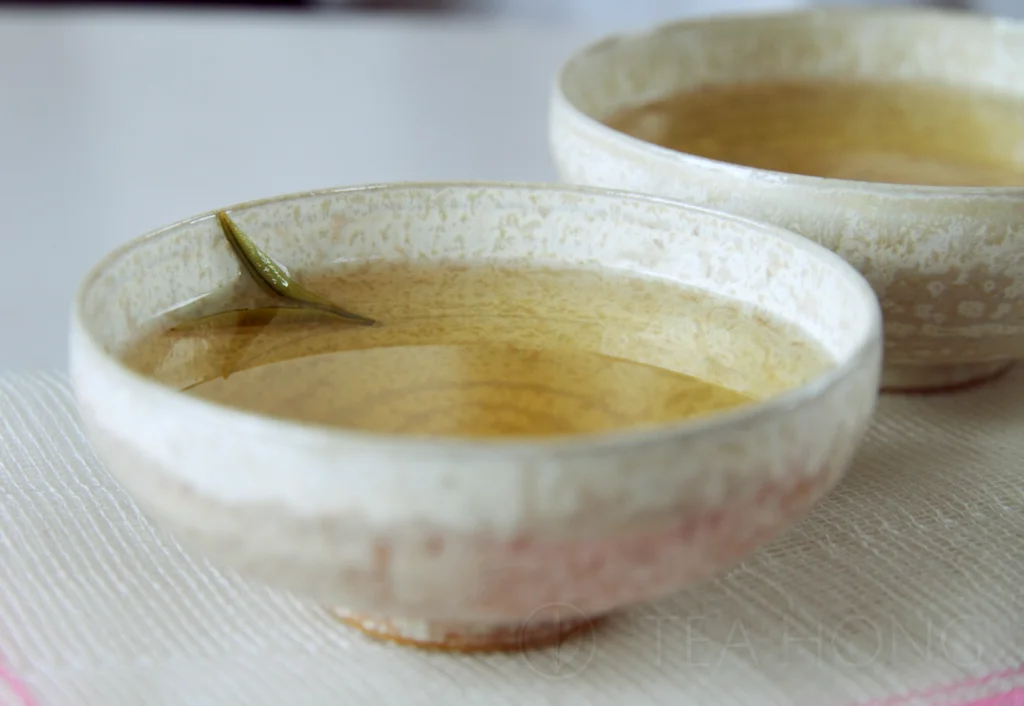
A genuine white tea should age well, be brewed at a high temperature for its full taste profile
To old drinkers like me, a true white tea is better when it has undergone ample oxidation/fermentation and aged well enough. It should be infused using boiling hot water for its optimum taste, as I have been advocating for 20 years.
Today, gradually more producers are producing white tea in the old fashioned, and better, way; and the idea of maturing true white teas is more appreciated outside of the old style tea drinkers’ world that I am part of.
More happily, some more inventive producers are using the harvests from different cultivars and the long withering that I like to see in good white tea to give stunning new experience, such as our Hong Yu Deep White that is from the beautifully unique Taiwan cultivar Hong Yu. Another creative producer even conduct the long withering process within the deoxygenation chamber and thus raising the GABA contents in the final white tea, giving Tea Hong’s unique GABA Bouquet, a beautifully flowery white tea.
There are also those who choose to use the predecessor cultivar of Da Bai — the sexually propagated Fujian Cai Cha — to make the ancient form of White Peony, as in our Pre-modern Peony. All of these varieties do not look white at all but are indeed white teas, according to their processing, not the colour of the product.
So you see, a white tea may not be white, and a white looking tea may not be white tea at all.
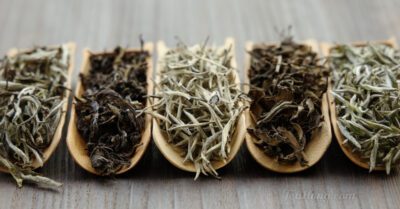
Note: the drying process makes a huge difference in the taste and look of the tea. For example, in the making of a Fuding style Silver Needles, the tea is baked to dry, thereby shortening the withering quite instantly and thereby yields a whiter product. On the other hand, a Zhenghe style White Peony is sun-dried. This time-demanding step gives the leaves additional withering and other bio-chemical transformations that contribute to the tea’s relatively deeper taste and darker overall colour.

Comments (0)
Leave a reply
You must be logged in to post a comment.